Walk into the historic center of Gaziantep and your senses arrive before your mind catches up. Pastry shops release clouds of buttery steam into narrow lanes lined with copper workers hammering away at intricate designs. Roasted pistachio vendors call out to passersby. The city smells like centuries have decided to cook dinner all at once.
But here's what makes Gaziantep different from other food destinations: eating here isn't tourism. It's archaeology. Every recipe contains information. Every meal is a conversation with the past. When a cook in Gaziantep prepares a dish their grandmother perfected, they're not performing tradition for visitors. They're maintaining it because tradition is how the city remembers who it is.
When food became diplomatic strategy
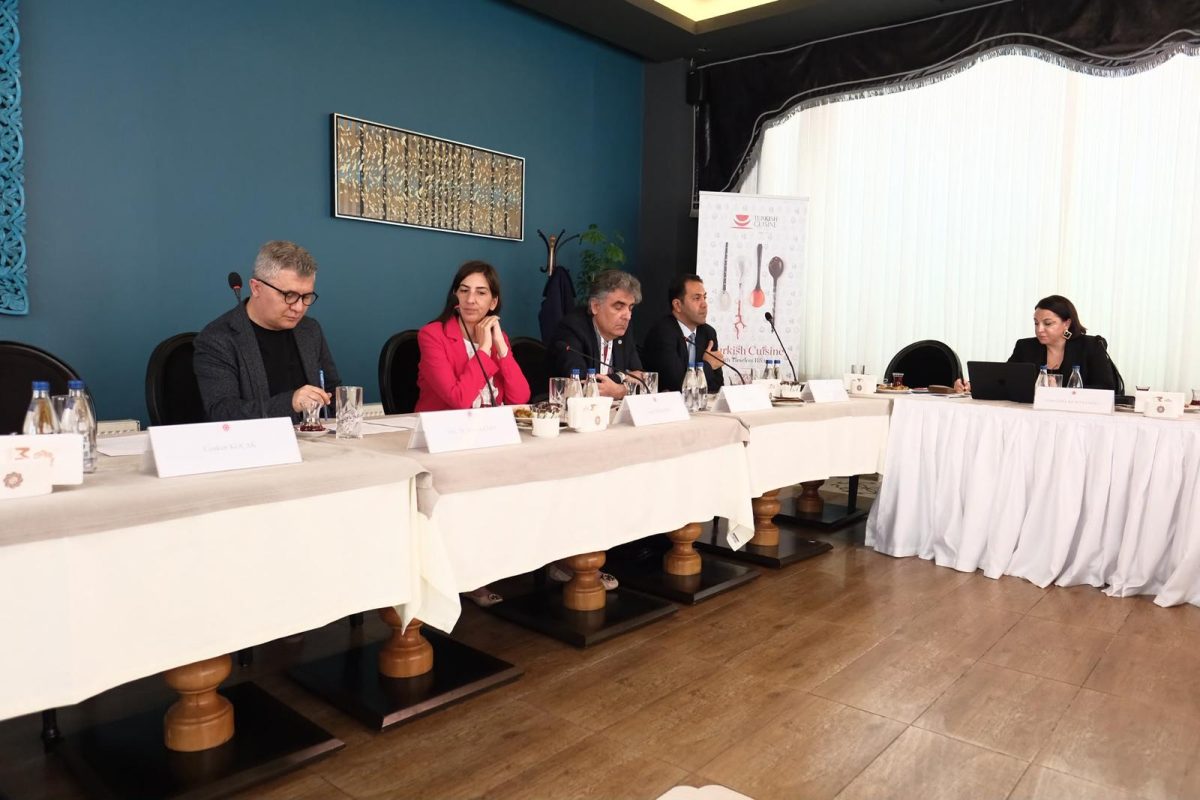
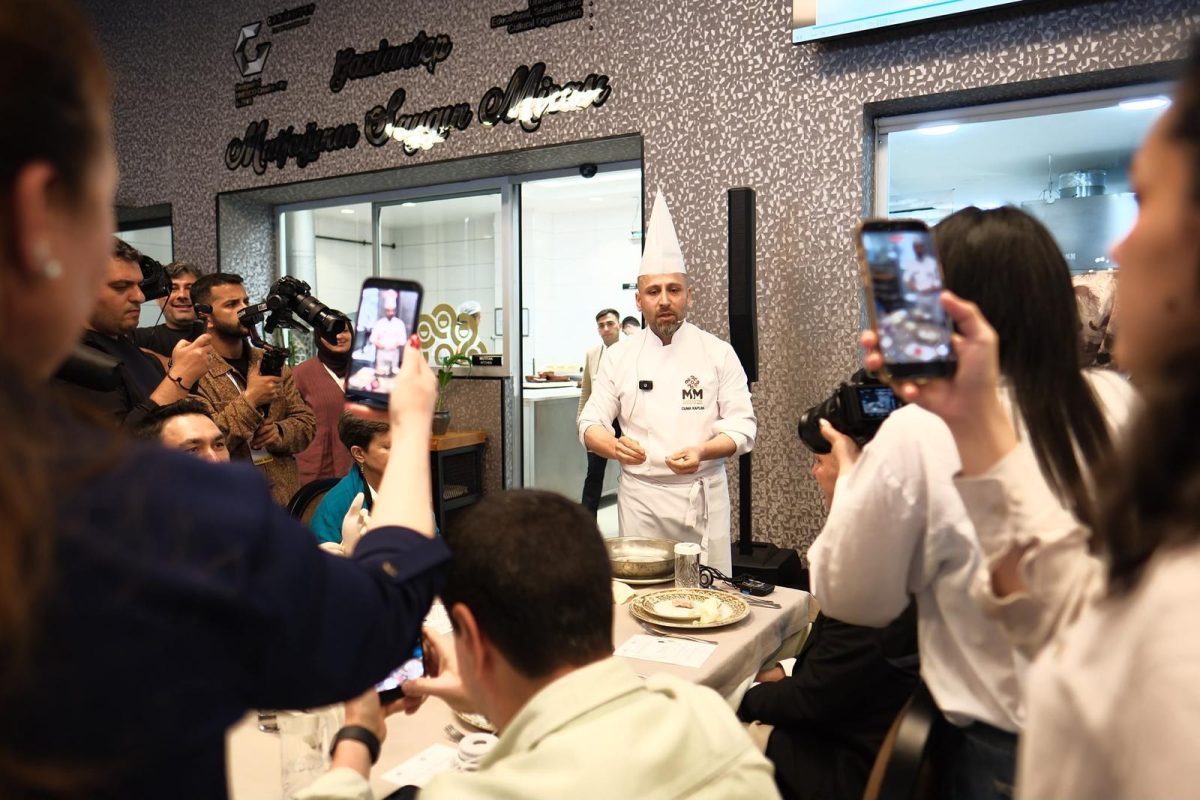
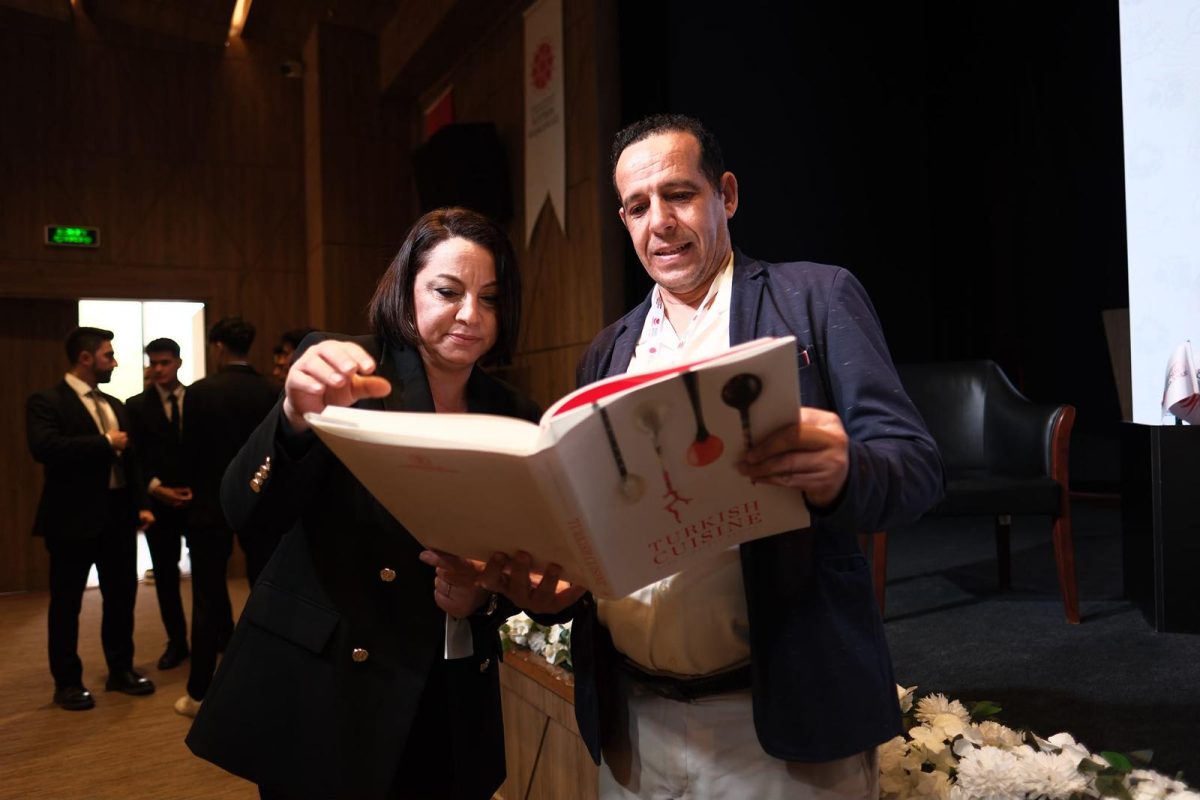
In May 2026, Gaziantep hosted a gathering that might sound academic on paper but felt like revolution in practice. Turkish government officials, academic researchers, chefs, and tourism professionals assembled for a conference titled "Turkey's Gastrodiplomacy Model: Table and Heritage." The agenda explored how food could strengthen international understanding and reshape how nations brand themselves globally.
The city itself became the argument. Participants didn't sit in conference rooms debating theory. They moved through Gaziantep's streets, ate meals prepared by families who'd been cooking the same recipes for generations, and visited museums that told the city's story in flavors and artifacts. It became clear that gastronomy isn't just about taste. It's a language that works when other languages fail.
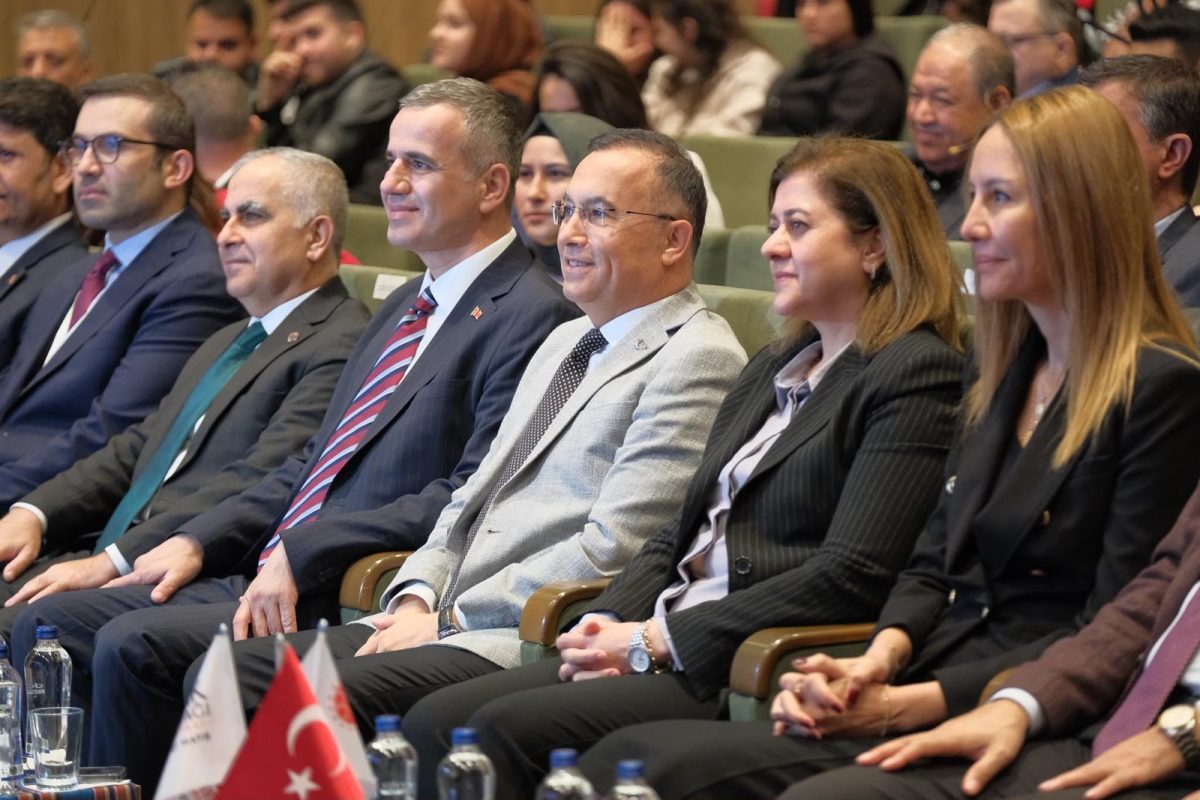
This recognition didn't come by accident. Gaziantep earned its status as Turkey's first city to join UNESCO's Creative Cities Network in the field of gastronomy because the city had already built something real: a thriving food culture connected directly to its geography, history, and the people who live there.
One dish, endless history
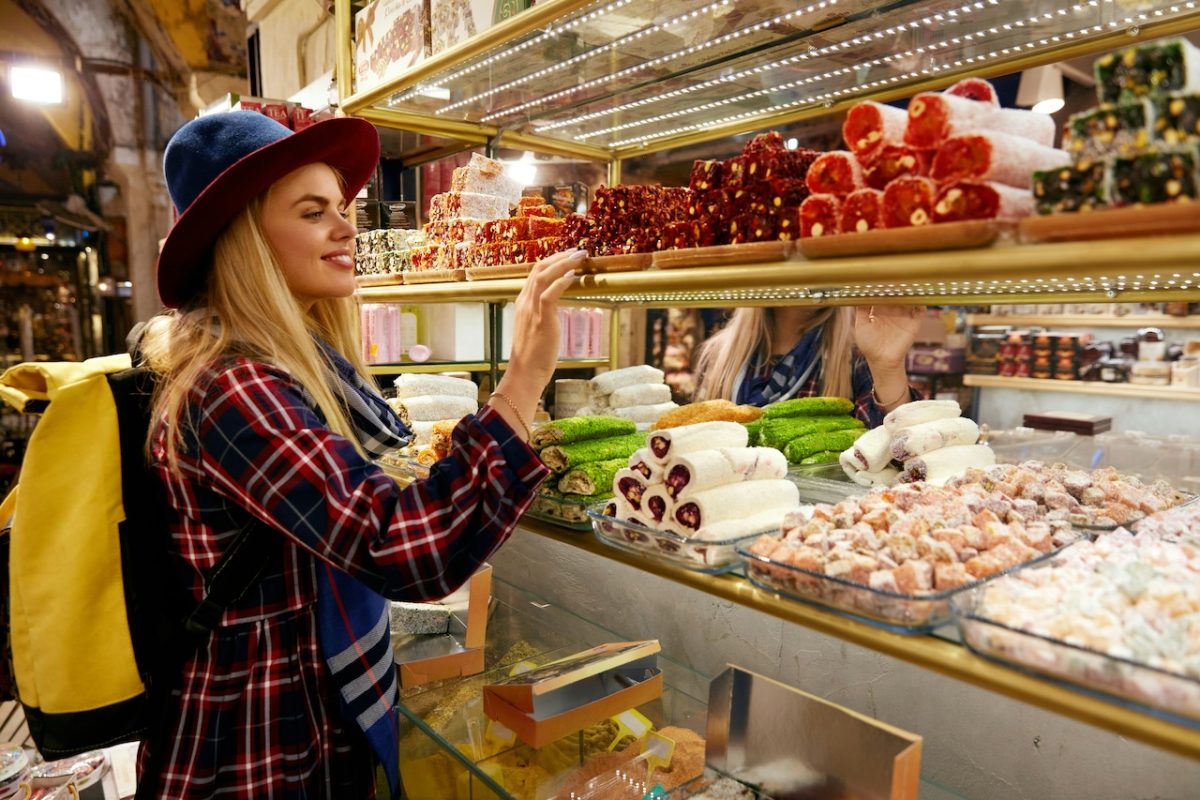
Most visitors arrive knowing one thing: baklava. The pastry has transcended its humble origins to become one of Turkey's most recognized exports. Those paper-thin layers and local pistachios have generated enough international acclaim that the name "Antep Baklava" carries the same weight as other protected foods with geographic designation.
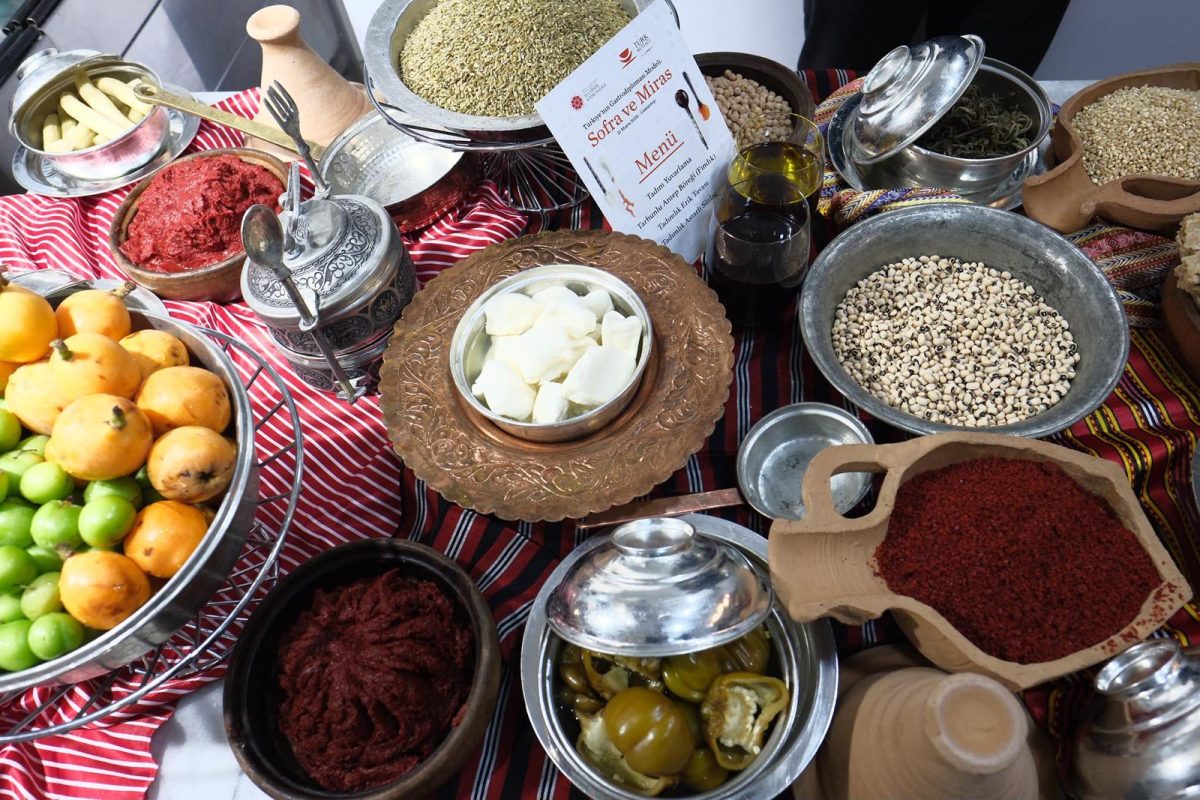
But fixating on baklava misses the point entirely. Gaziantep's food repertoire runs deep. There are kebabs that have been perfected over centuries. Seasonal vegetable preparations that change with what grows in the region. Desserts with names that sound like poetry. Artisan products made by families who view food production as craft, not commodity. A visitor could eat differently every meal for weeks and never exhaust what the city offers.
Dining becomes an education. Meals stretch across hours. Stories accompany nearly every dish, connecting what's on the plate to the farmers who grew it, the artisans who shaped it, and the families who refined the recipe across generations. Food here tells you how people lived, what they valued, and what they survived.
History layered like baklava
Beyond food, Gaziantep contains archaeology that stops you mid-breath. The Zeugma Mosaic Museum houses some of the finest Roman mosaics ever recovered. Among its treasures sits the "Gypsy Girl," a portrait so vivid and expressive that it became one of Turkey's most recognized cultural symbols. Looking into her painted eyes across nearly two thousand years creates an odd intimacy with the past.
The Panorama 25 Aralık Museum tells a more recent story, documenting Gaziantep's pivotal role during Turkey's War of Independence through immersive storytelling and visual technology. The Emine Göğüş Culinary Museum provides deeper understanding of the food culture that still shapes daily life. And the city center itself functions as a museum. Traditional bazaars, historic caravanserais, stone courtyards, and bustling markets reveal layers of commercial and cultural exchange built over centuries. In Bakırcılar Bazaar, copper workers continue practicing techniques their ancestors used. Historic inns like Gümrük Hanı remain gathering places where locals and travelers share tea and conversation.
Hospitality as identity
What truly distinguishes Gaziantep separates itself from the food and monuments. The people welcome guests not as paying customers but as invited company. Hospitality isn't a service sector here. It's a value woven into how the city operates. The difference shows immediately. Interactions feel genuine rather than transactional. Hosts take pride in sharing their city, not in maximizing profit.
This matters because travel is increasingly a search for authenticity. Gaziantep offers something genuine: a place where preserving heritage and welcoming visitors aren't competing goals but aligned ones. When you're eating in someone's family kitchen or learning craft from a artisan in a bazaar, you're not consuming tourism. You're participating in culture that would continue with or without your presence.
Why this city matters now
As tourism becomes more crowded and destinations more manufactured, cities like Gaziantep demonstrate another path. Travelers increasingly seek authentic experiences over checkbox tourism, and Gaziantep has something genuine to offer: a complete system where food, craft, history, and hospitality reinforce each other. The city didn't invent itself as a tourist product. Visitors arrived because something real was already happening here.
That distinction matters. Gaziantep succeeded by staying true to what made it significant rather than by adapting itself to what outsiders expected. UNESCO didn't designate the city a gastronomy capital because officials wanted to boost tourism. They recognized that the city had created something worth protecting: a functioning food culture that connects people to their past, to each other, and to the land that feeds them. The recognition came after, not before.