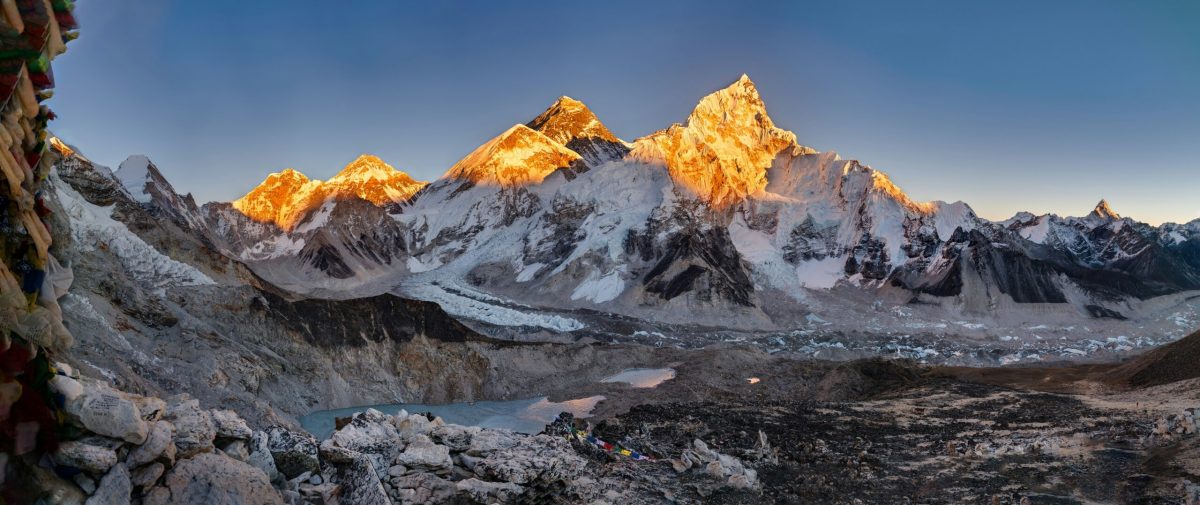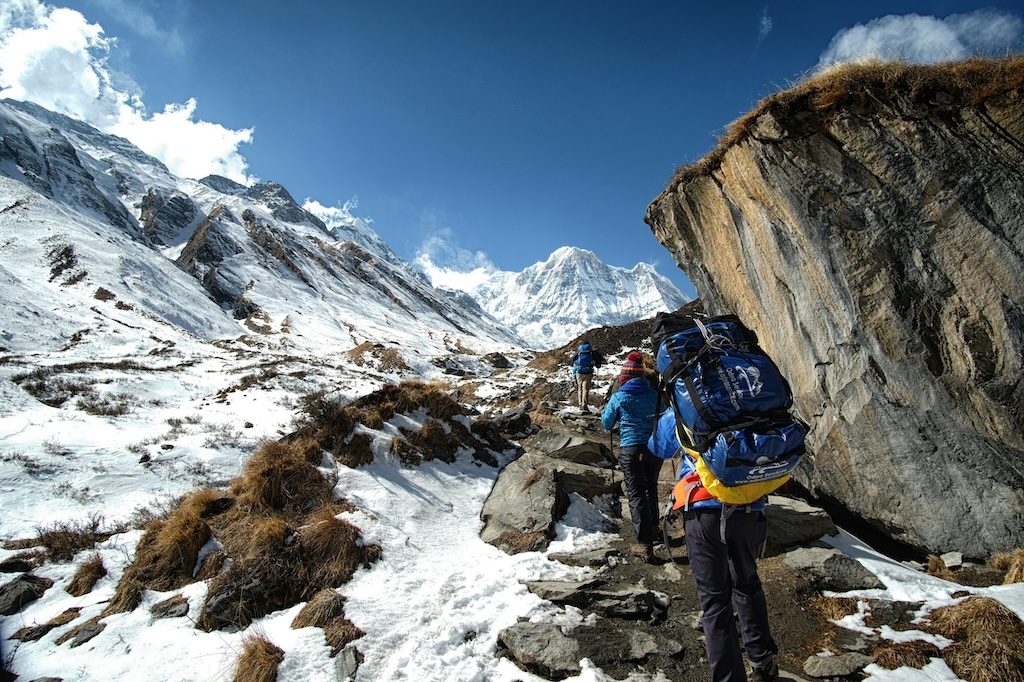
Nepal's reputation as a world-class trekking destination took a serious hit this year when authorities uncovered one of the most audacious insurance fraud schemes ever documented on Mount Everest. Between 2022 and 2025, a coordinated network of trekking guides, tour operators, Sherpas, helicopter companies, and hospital executives allegedly orchestrated thousands of unnecessary or completely fabricated rescue operations, defrauding international insurance companies of approximately $20 million.
The investigation, which resulted in 32 people charged under Nepal's Organised Crime Prevention Act and at least eleven arrests starting in January, revealed a well-oiled criminal operation. At least 4,782 climbers were caught up in the scheme, with around 300 evacuations determined to involve fraudulent or unnecessary circumstances. The method was disturbingly simple: trigger symptoms in climbers, convince them they needed emergency extraction, then bill insurers for flights, medical care, and hospital stays that either never occurred or were vastly exaggerated.
How the scheme actually worked
When trekkers began experiencing nausea, dizziness, or body aches, guides pressured them to accept costly helicopter evacuations. What sounded like a lifesaving intervention was often anything but. The real fraud unfolded behind the scenes. Medical and flight documents were forged. Single-passenger flights were billed as multiple individual emergency extractions. Hospital admissions were fabricated. In the most brazen cases, tourists were billed for treatment at facilities they never even entered.
The scope extended across the entire evacuation ecosystem. Multiple parties profited from each fake rescue, creating incentives up and down the chain. Every link in the chain had a financial interest in pushing unnecessary evacuations, and the distance between the mountains and insurance company offices in Europe and North America made detection unlikely.
The poisoning claims get muddied
International media outlets initially reported that guides had deliberately poisoned climbers to trigger helicopter rescues, with food allegedly tampered with baking powder, misused medication, uncooked chicken, or rat droppings. These sensational accounts seized global attention. But Nepal's Central Investigation Bureau (CIB) pushed back hard. In an official statement, Senior Superintendent of Police Shiva Kumar Shrestha clarified that the investigation found no evidence of poisoning. The 748-page charge sheet, the definitive legal document, contains no mention of deliberate poisoning anywhere.
The CIB acknowledged that international media coverage had been inaccurate and warned that the scandal itself "caused harm to Nepal's pride, prestige and dignity internationally." The fraud was real and well-documented. The poisoning narrative, at least according to official investigators, was not.
A pattern that keeps repeating
This isn't the first time Everest's underworld has been exposed. A similar scheme surfaced in 2018, prompting a comprehensive 700-page investigation and public promises of reform. Those promises largely evaporated. By 2019, new reports emerged detailing how visitors colluded with operators to fake illness and split insurance payouts, all to offset the astronomical costs of climbing. The root cause is simple economics. In the mid-1990s, an Everest expedition cost between $2,600 and $3,900. Today, climbers pay anywhere from $43,000 to $72,000. As costs skyrocket, desperation creeps in.
Police superintendent Kumar acknowledged the obvious: "When there is no action against crime, it flourishes." Previous investigations resulted in lax punitive action, meaning criminals had little reason to fear consequences.
What happens to Everest now?
Nepal already faced criticism for allowing Everest to become what many describe as a complete circus. The fraud scandal lands at a delicate moment. Tourism anchors Nepal's economy, and Everest remains its most potent symbol. Damage to the mountain's reputation could deter visitors at precisely the wrong time. In response, Nepal is tightening access by introducing stricter requirements for climbers and hiking permit fees upward in hopes of restoring credibility.
For travelers planning high-altitude adventures, the scandal serves as a stark reminder that adventure tourism operates in complex gray zones where oversight can be thin and incentives perverse. Due diligence matters. Reputable operators matter. And sometimes the risks climb far higher than the altitude.