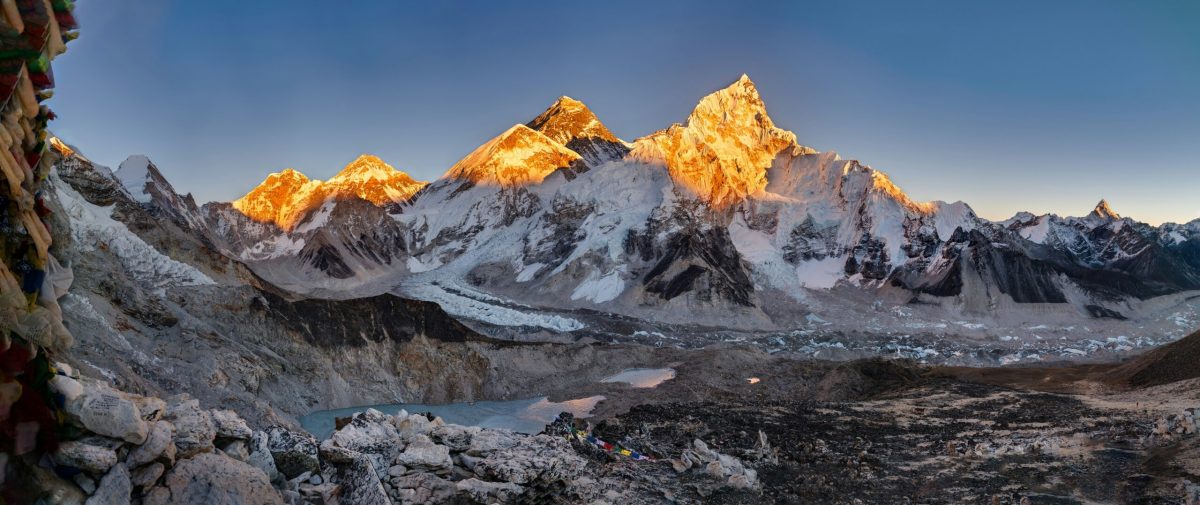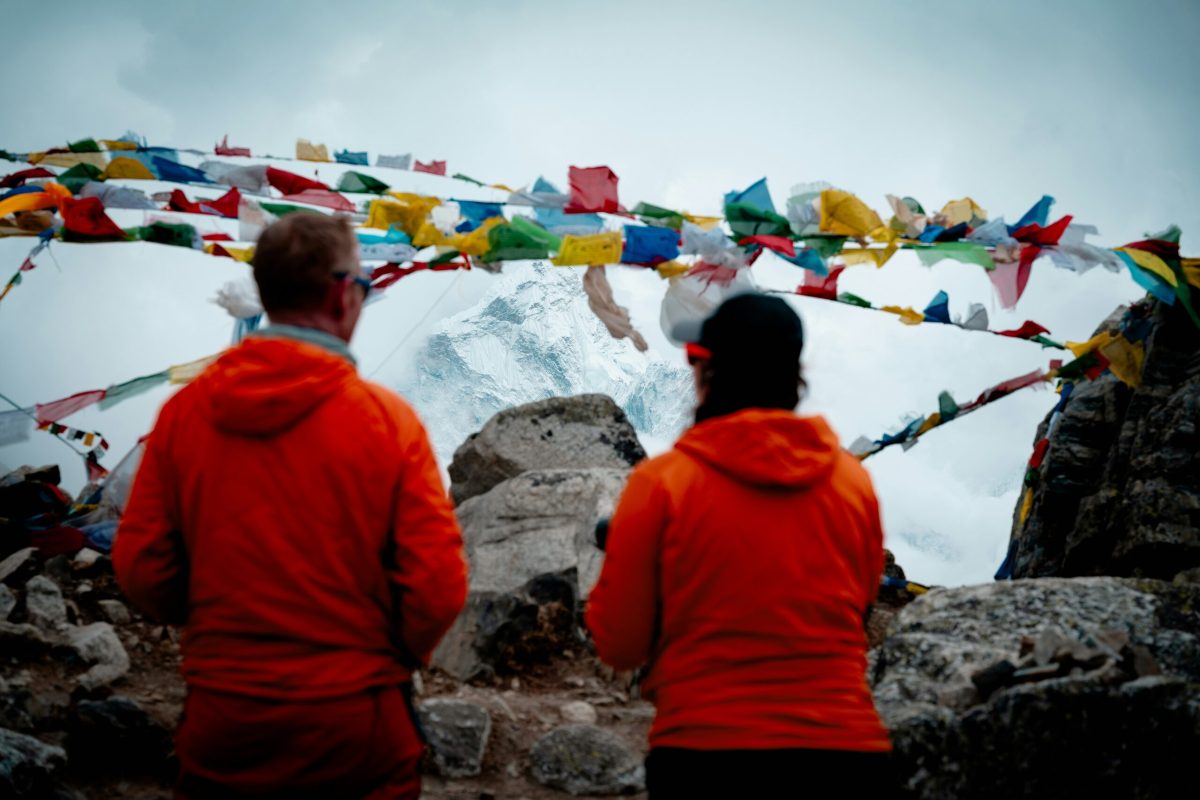
Mount Everest has a problem, and it's spelled in dollar signs and selfie sticks. The 8,848-meter colossus that once represented the ultimate mountaineering achievement has become something closer to a paid lottery where anyone with sufficient cash can attempt to reach the top. Social media footage of serpentine queues snaking toward the summit, and far grimmer images of climbers stepping past bodies frozen in the snow, have forced Nepal to take action.
Nepal's Upper House has now approved a sweeping tourism bill that would fundamentally reshape who gets to attempt Everest. If the Lower House approves it after March's general election, the rules could transform expeditions to the mountain by spring 2026.
What the new rules would actually demand
Under the proposed legislation, aspiring Everest climbers would face real barriers for the first time. You wouldn't just need money. Applicants would need to prove they've already summited at least one Nepalese peak above 7,000 meters. Recent medical certificates would be mandatory, as would filing a detailed ascent plan with authorities. These aren't suggestions. They're gatekeeping measures designed to keep unprepared climbers off the mountain.
The intent is blunt: reduce emergencies and deaths. Outside magazine documents approximately 300 fatalities on Everest since records began, including five in 2025 alone. Most deaths stem from inadequate preparation, poor acclimatization, or climbers simply being in over their heads.
The money question
Expeditions already carry eye-watering costs. Between $45,000 and $70,000 per person covers the basic permit and logistics. Nepal currently requires climbers to carry down eight kilograms of trash generated by others, plus their own waste (in designated "wag bags" since 2025, or forfeit a $4,000 deposit). The new bill would replace the refundable deposit system with a straightforward conservation fee, funneling revenue into environmental restoration and a Mountaineers' Welfare Fund.
Even with these costs, the crowds haven't slowed. Caradoc Jones, the first Welsh climber to summit Everest in 1995, describes the current scene as reaching "complete circus" levels. That assessment came before the proposed restrictions.
Why this matters for the mountain and climbers
A veteran mountaineer with over two decades of Himalayan experience offered candid perspective to Travel Tomorrow: "Today with sufficient money almost anyone can climb Everest. But there are plenty of mountains in the Himalayas, and spreading climbers across those peaks would distribute both the environmental impact and the revenue." His point cuts deeper: Everest has become a consumable experience rather than an achievement. "People who couldn't climb a modest 4,000-meter peak in the Alps somehow book Everest expeditions," he explains. "If you require climbers to have prior high-altitude summits, they arrive with real skill and real respect for the mountain. That changes everything."
The environmental case is equally compelling. Nepal has struggled with trash accumulation and human waste on the higher slopes. More experienced climbers tend to follow Leave No Trace principles more rigorously. Restricting permits to those with proven mountaineering backgrounds naturally creates a more conscientious climbing culture.
The timing could create a final rush
Expeditions typically take up to three months and concentrate during the pre-monsoon spring season when weather windows open and conditions favor summit attempts. If the Lower House votes after March and the rules take three months to implement, spring 2026 expeditions could still operate under the current system. That could spark a final surge of climbers eager to reach the summit before restrictions kick in. Anyone considering an Everest attempt should watch how Parliament votes.
Nepal's move signals something broader: popular adventure destinations are starting to protect themselves. Whether through required certifications, capacity caps, or conservation fees, governments and local communities are refusing to let Instagram economics destroy the very places travelers want to see. For genuine mountaineers, that's cause for optimism. For those viewing Everest as just another checkbox, the writing is on the basecamp wall.