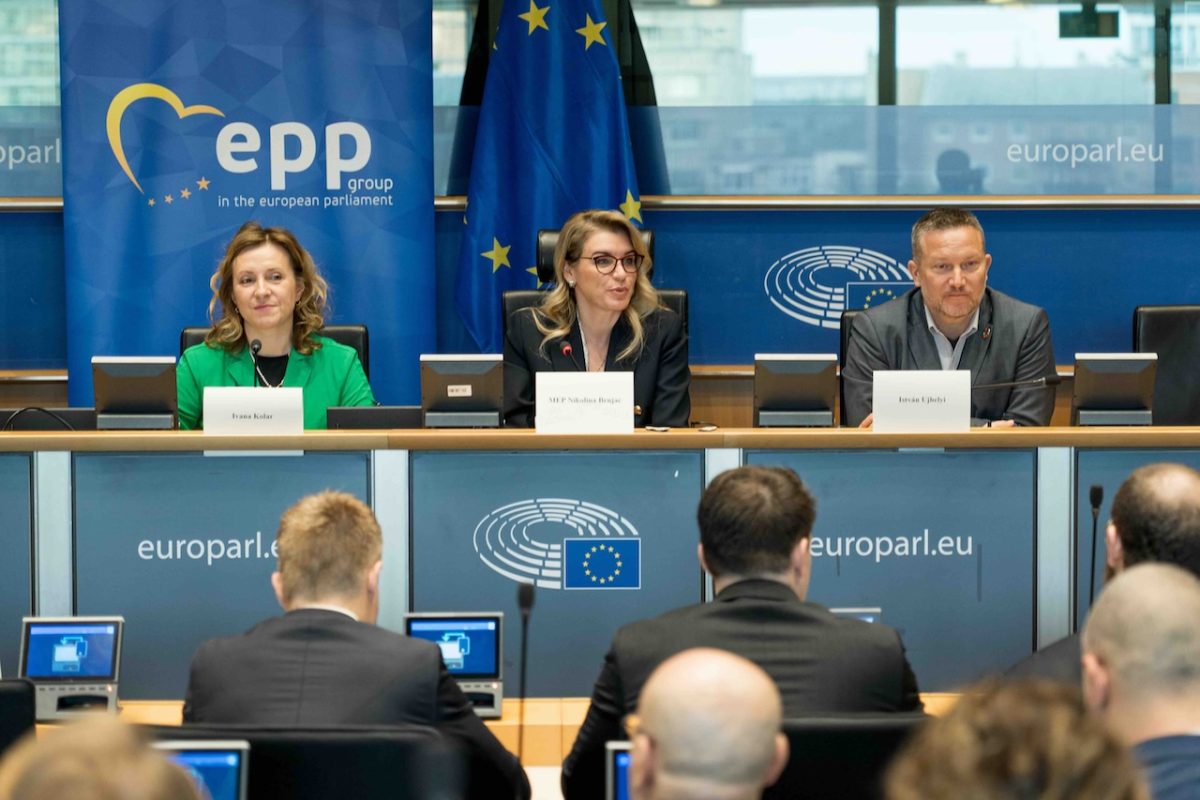
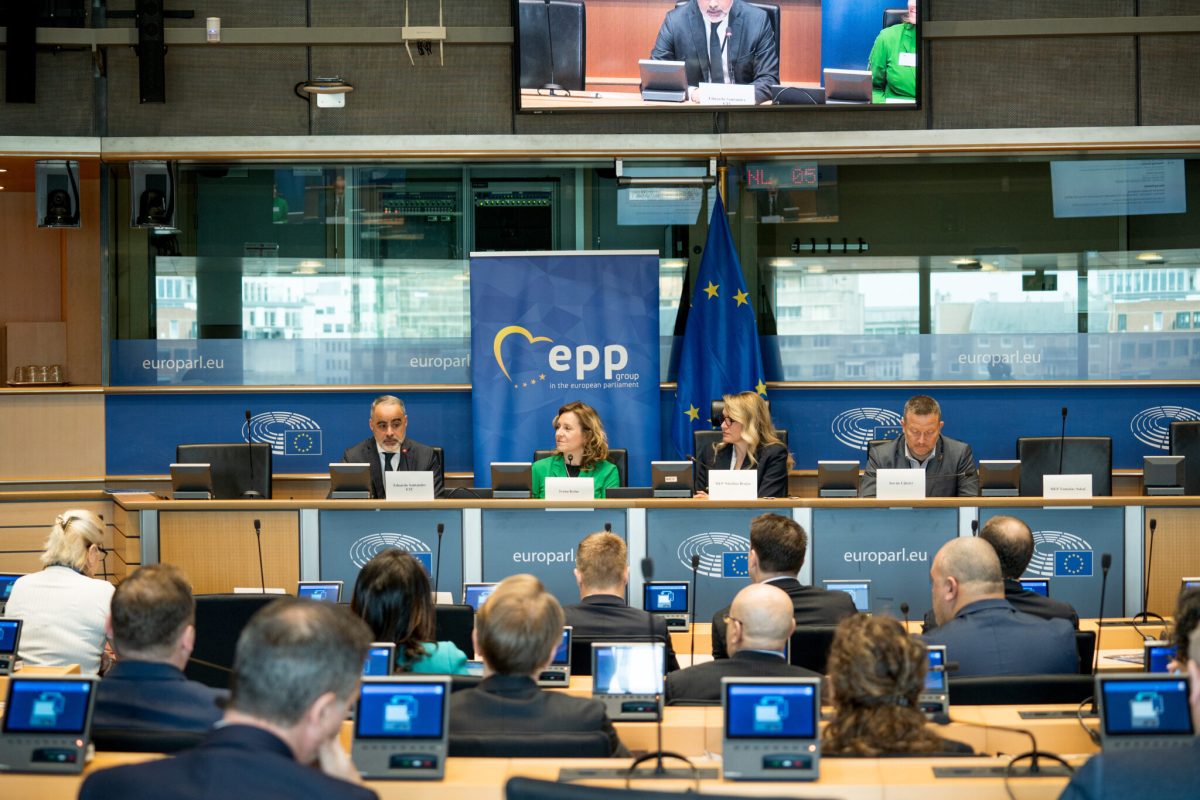
Something unexpected happened at the European Parliament in March 2026. Policymakers, spa operators, healthcare executives, and tourism chiefs gathered in one room to talk about wellness travel. Not as an afterthought. Not as a niche curiosity. But as a strategic pillar for Europe's future.
The European Health Tourism Industry Summit revealed a sector in the middle of explosive growth, yet hamstrung by the kind of bureaucratic complexity that makes patients want to stay home. Health tourists already spend eight to ten times more than regular travelers. Medical spas alone employ over 850,000 people across Europe and pull in roughly 25 million visitors annually. The economic impact exceeds 50 billion euros. Yet the continent remains fragmented, uncoordinated, and at risk of losing ground to global competitors.
A Sector Finally Getting Political Traction
For years, wellness and health tourism existed in a gray zone. Tourism boards didn't want to claim it. Healthcare systems pretended it wasn't their problem. But at the summit, Ivana Kolar of the Health Tourism Industry made the case explicit. This sector spans everything from preventive spa treatments to medical procedures to rehabilitation. It sits at the exact intersection where tourism and healthcare collide, and both need to start talking to each other.
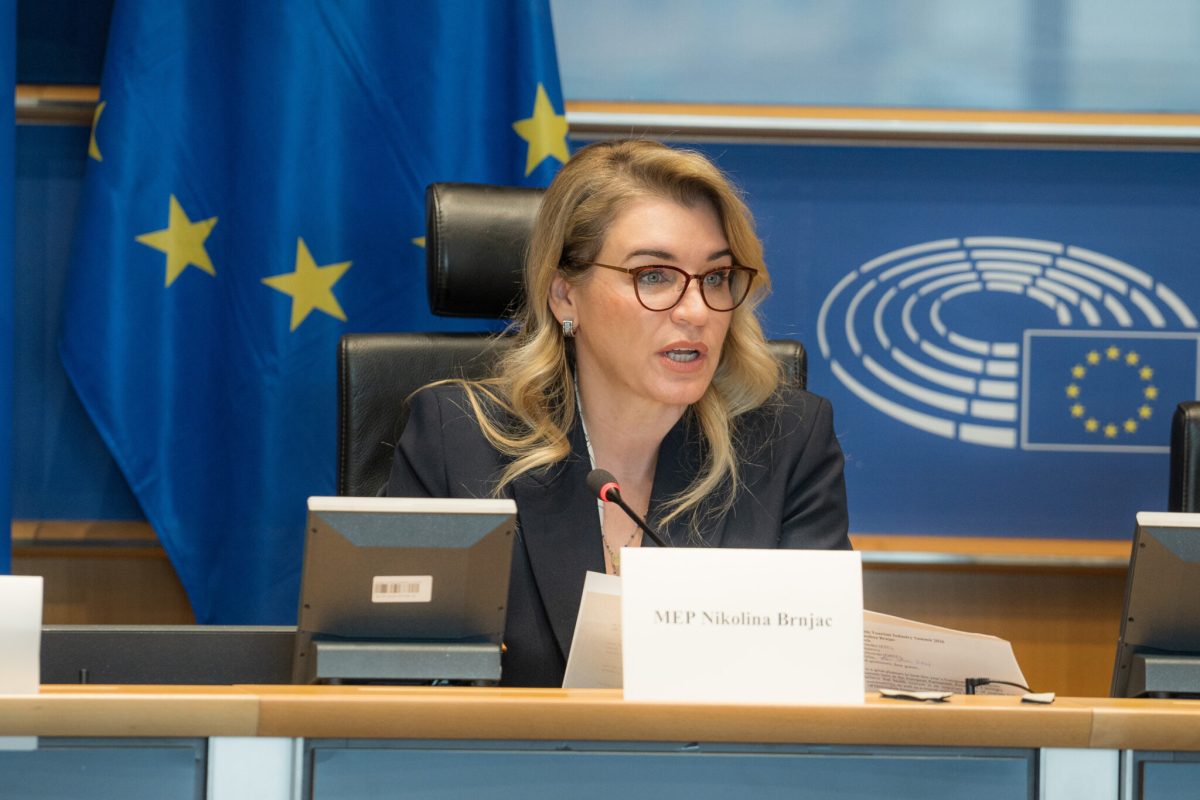
MEP Nikolina Brnjac argued that health tourism isn't just good economics. It's fundamental to how Europe should rebrand itself on the global stage. She also pointed out something practical: aging populations, climate pressures, and geopolitical instability mean people increasingly want travel tied to their physical and mental wellbeing. Europe's tourism industry is finally rethinking its old strategies, and wellness could be the thread that holds the new model together.
Europe Already Has the Cards to Win
Eduardo Santander, CEO of the European Travel Commission, made a simple observation: health and wellness tourism isn't a passing trend anymore. It's a structural shift in how people choose to travel. Europe has natural advantages here. The continent's diverse landscapes, centuries of wellness traditions, and cultural heritage create a foundation that competitors in Asia and the Middle East are still trying to build.
But Santander also issued a warning. Tourism needs to move beyond the extraction model where destinations simply milk visitors for money. Real smart growth means investing in people, infrastructure, and quality of life. If European destinations cooperate instead of competing against each other, they can position the entire continent as the world's wellbeing destination. That collective approach could unlock far more value than any single country chasing tourists alone.
Why Europe's Spas Are One of Its Best Kept Secrets
Siyka Katsarova, president of the European Spas Association, made a blunt statement: Europe is sleeping on one of its biggest assets. The continent has over 1,400 certified medical spas, yet these facilities remain underutilized and poorly integrated into travel planning. During the pandemic, people instinctively turned to preventive health solutions and natural remedies. Spas saw a genuine shift in how visitors viewed them, not as luxury indulgences but as legitimate healthcare alternatives.
One statistic she shared cuts through a lot of noise: one euro invested in prevention saves seven euros in healthcare costs. That's not just good travel logic. That's the kind of thing policymakers should be funding. Katsarova also highlighted a practical problem that affects countries like Croatia, Greece, Spain, and Italy. Tourism to these destinations clusters in summer months, leaving infrastructure idle and jobs scarce the rest of the year. Year-round health tourism could smooth out that seasonality and create stable employment.
But Here's the Problem Nobody Wants to Admit
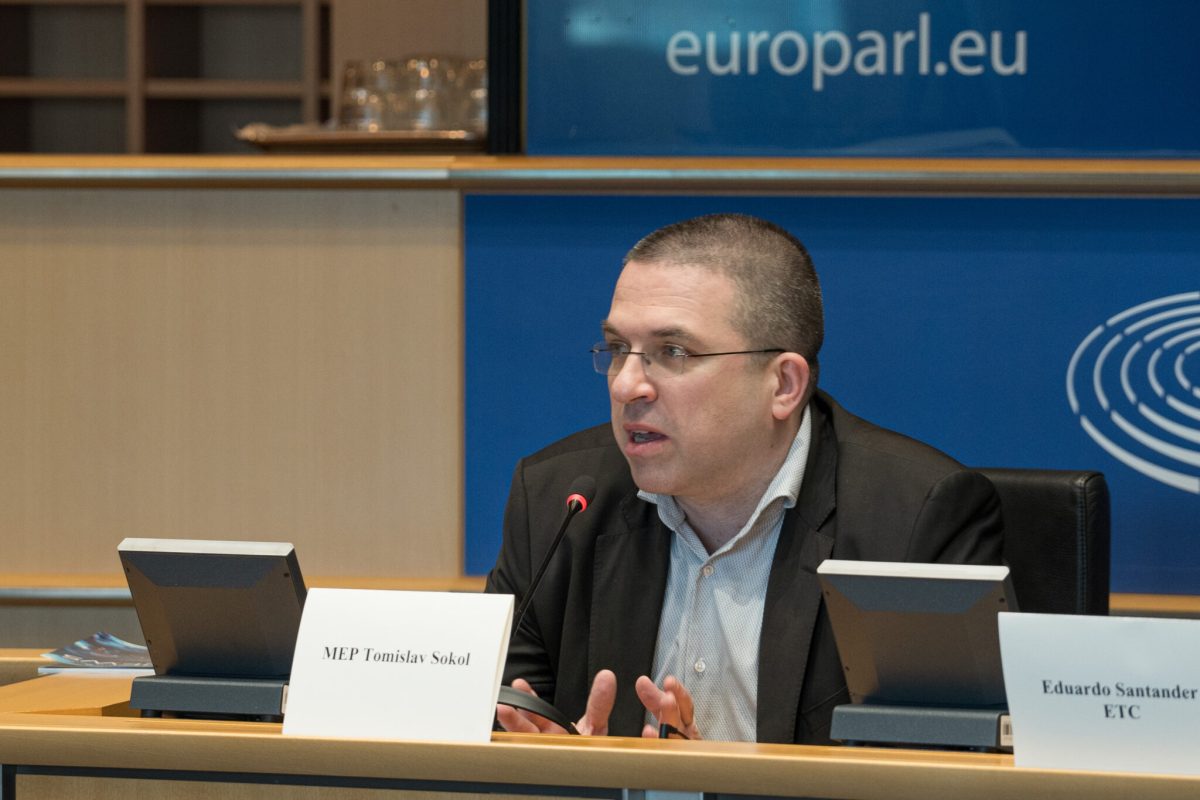
The EU technically allows patients to seek treatment in other member states. Nice in theory. Impossible in practice. MEP Tomislav Sokol didn't mince words about the legal framework governing cross-border healthcare. He called it a mess. And not because the laws are wrong. The laws are actually reasonable. The problem is they're so tangled that you need a health law specialist just to understand your own rights.
Overlapping regulations, murky reimbursement rules, missing medical records, and administrative delays create a maze that deters most patients from even trying. Sokol called for the EU to simplify the system, provide clearer patient guidance, and establish structured pathways for cross-border treatment, including centers of excellence that serve multiple countries. Without that, the whole wellness tourism boom stays stuck in theory.
The Real Story From People Seeking Care
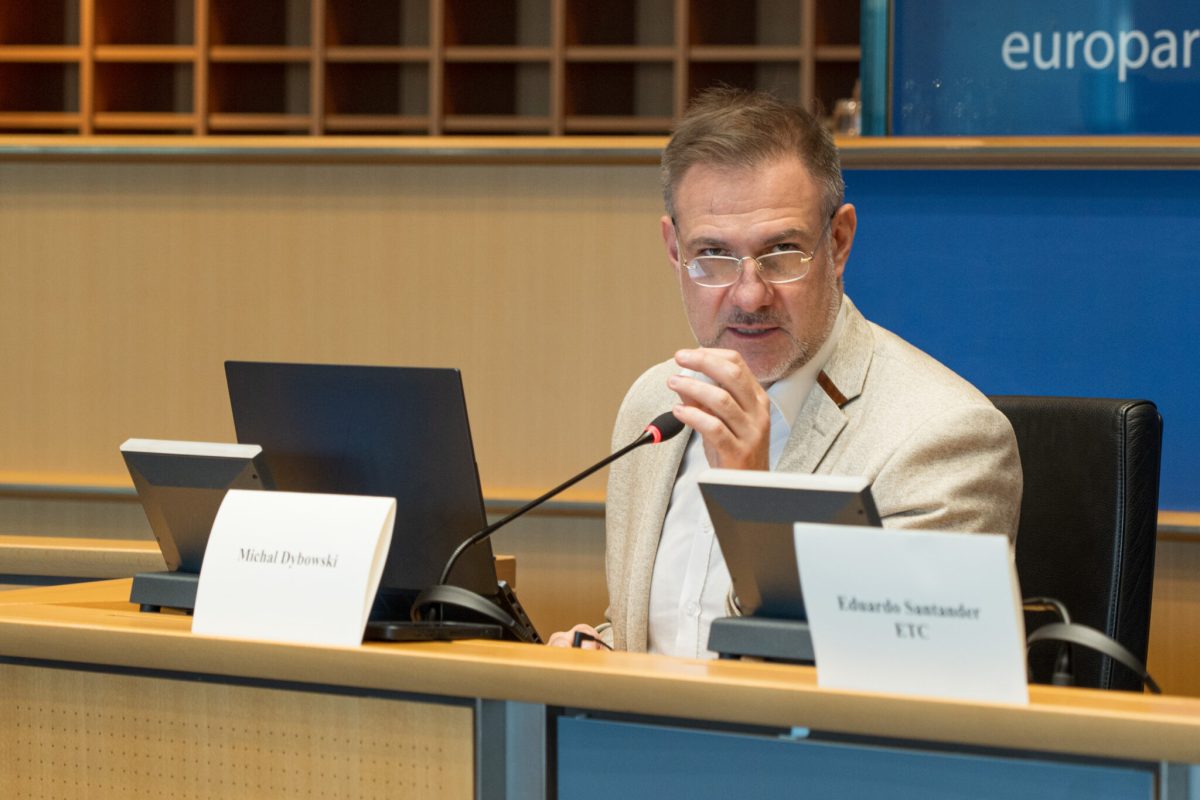
Michal Dybowski, who leads the Healthcare Poland Foundation, brought the conversation down to earth. He explained the gap between what laws say on paper and what happens when actual patients try to use them. The legal framework isn't broken, he said. But execution is a disaster. His case studies painted a frustrating picture. Patients struggle to get reimbursement approvals. Medical records don't transfer between countries. Administrative delays stretch into years. He cited one particularly brutal figure: 531 days to get a reimbursement decision approved.
Without common quality standards for medical providers, patients can't easily compare options. Without transparent pricing, they can't budget. Without coordination between national insurance systems, they face uncertainty at every step. These aren't exciting problems. They're the kind of bureaucratic knots that kill promising sectors before they fully launch. Yet fixing them doesn't require new laws. It requires treating cross-border health travel as a serious priority instead of an afterthought.
The summit made one thing clear. Europe's wellness tourism sector has momentum, money, and genuine demand. What it lacks is coordination at the EU level. Whether policymakers actually work to harmonize standards and simplify cross-border care will determine whether this becomes a defining strength for European travel or remains a fragmented patchwork of missed opportunities.