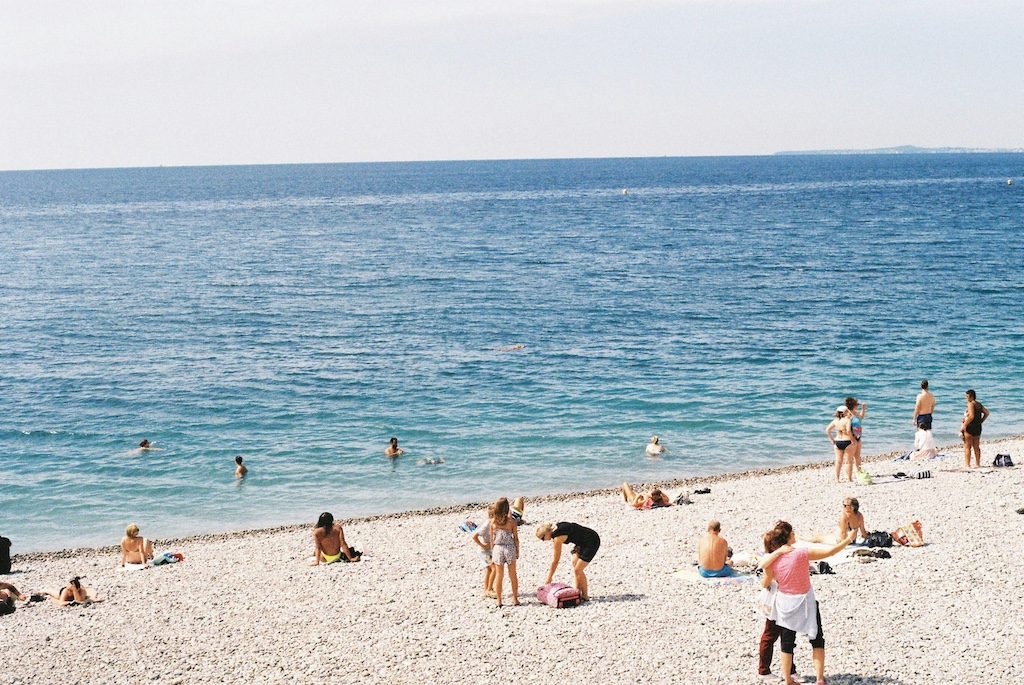
Summer is calling, and the water is answering back. The latest bathing water assessment from the European Environment Agency and European Commission brings genuinely good news for travelers plotting their next European escape. If you've been thinking about splashing into the Atlantic, diving into a Mediterranean cove, or cooling off in an Alpine lake, the 2025 data gives you real reason to book with confidence.
The numbers tell a compelling story. Across the European Union, 85% of designated bathing waters earned an "excellent" rating, while 96% met minimum EU safety standards. Only 1.5% fell short. This isn't just reassuring for holiday planners. It represents decades of real work, environmental investment, and stricter regulation finally paying dividends. Europe's waters are genuinely cleaner than they used to be.
Where the water is safest
Coastal destinations continue to dominate the rankings. Mediterranean beaches and Atlantic shores saw 88% of swimming sites hit excellent quality in 2025. If you're eyeing Greece, Cyprus, and Bulgaria, you're looking at destinations where more than 95% of bathing waters achieved excellent status. Austria rounded out the top performers. These aren't accidents. Authorities monitor these waters constantly for bacterial contamination including E. coli and intestinal enterococci, then issue public warnings when needed.
Inland waters tell a different story. Lakes and rivers achieved excellent ratings at a lower rate, about 78% across the EU. But here's where it gets interesting: river swimming is making a comeback. Urban dwellers and visitors are rediscovering rivers as places to escape the heat, especially as summer temperatures keep climbing. The catch? Only 47% of Europe's roughly 1,200 designated river swimming sites reached excellent quality in 2025. Rivers face more unpredictable challenges after heavy rain, wastewater spills, agricultural runoff, and shifting water flow. They're trickier to manage, even with the best intentions.
What authorities actually check for
Before you assume perfect purity, understand what these ratings measure and what they don't. EU bathing water standards focus on bacteria that pose direct health risks to swimmers. They don't cover every chemical pollutant lingering in the water. Pesticides, pharmaceuticals, nutrients, and emerging contaminants live in a regulatory gray zone, addressed under different water protection laws. The system works for what it's designed to catch, but it's not an all-encompassing clean bill of health.
The real-world wins are substantial regardless. Better wastewater collection networks, tighter environmental rules, and major investment in urban treatment plants have transformed Europe's water infrastructure over recent decades. Rivers that were once so polluted they seemed toxic now welcome swimmers again. That's genuine progress.
Smart swimming this summer
Practical advice for travelers is straightforward. Before jumping in anywhere, especially after heavy rainfall or when visiting rivers and lakes, check official national or regional bathing water websites. Many countries provide real-time updates or seasonal reports. The European Environment Agency offers an interactive map covering thousands of sites across the continent. Two minutes of research can save you from a stomach bug that ruins your trip.
With nature-based tourism surging and heat waves becoming routine across the continent, clean swimming spots have become a cornerstone of Europe's visitor appeal. As heatwaves affect more of Europe, access to safe water isn't a luxury anymore. It's a draw. Destinations that keep their waters clean gain a competitive edge, which means continued investment and vigilance.
The 2025 findings suggest most travelers can swim with genuine confidence this summer. But they also send a clear message to Europe's destinations: water quality isn't a checkbox on a sustainability report. It's a fundamental part of why people want to visit.