
When you think of travel risks in Europe, extreme heat probably doesn't top your list. Thunderstorms, pickpockets, long airport lines maybe. But the reality is far grimmer: over the past four years, excessive heat has claimed more than 200,000 lives across the European Union and neighboring countries. Almost all of these deaths were preventable.
The World Health Organization (WHO) isn't mincing words about what's happening. According to Dr Hans Henri P. Kluge, WHO Regional Director for Europe, heatwaves are no longer freak weather events. They're now a recurring disaster that strains health systems, fractures infrastructure, and shatters lives. Italy, Spain, Germany, and Greece have borne the heaviest toll, but no European nation has escaped the impacts entirely.
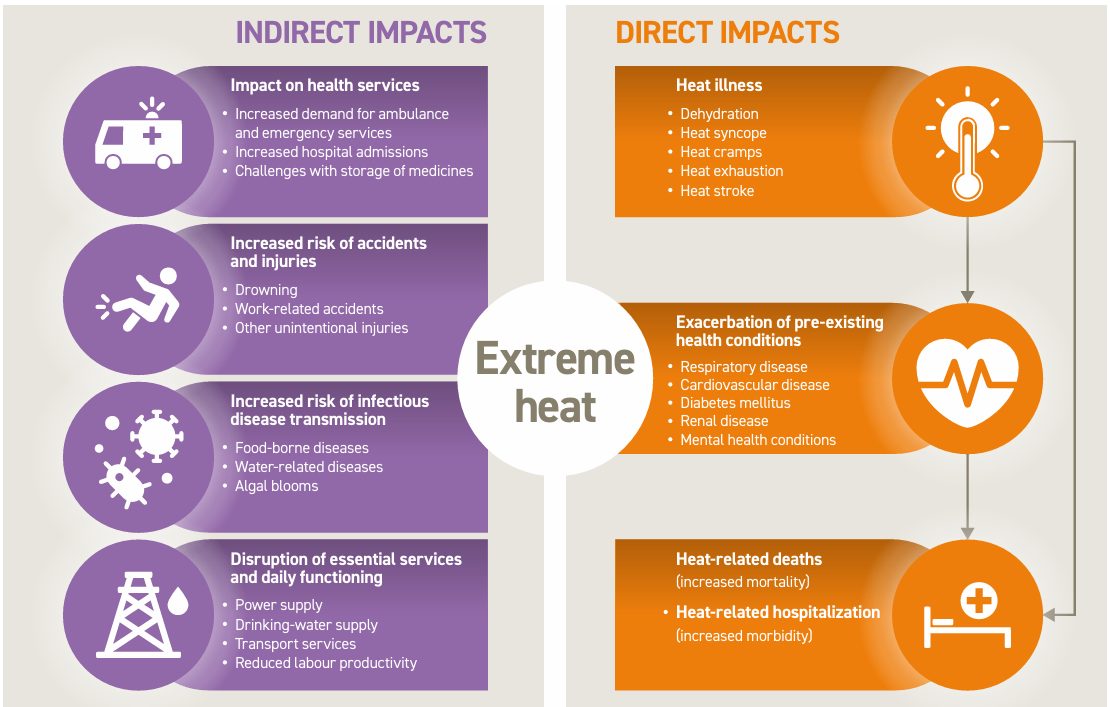
What makes this crisis so insidious is that it's not just about the death toll. Millions more people across the continent experience physical and mental health problems during heat events. Your elderly relatives struggle to stay cool. Children become irritable and dehydrated. Workers collapse on the job. The cumulative suffering stretches far beyond the headlines.
From Problem to Action
The good news? The WHO just launched its updated Heat-Health Action Plans Guidance, a practical blueprint for cities and countries to protect their populations before conditions become deadly. This second edition, released in Berlin in 2026, reflects the latest research and real-world lessons learned since the original guidance came out in 2008.
Individual precautions matter. Stay indoors during peak heat hours, keep your home cool, drink water constantly. But personal vigilance alone won't solve a systemic problem. The WHO is calling for coordinated, institutional responses that reshape how entire regions function during heat emergencies.
What Real Solutions Look Like
The guidance outlines concrete strategies cities are already putting into action. Green more urban spaces to create natural shade and cooling zones. Establish networks of public cooling centers where vulnerable people can escape the worst heat. Train teachers, childcare workers, and nurses to spot the early signs of heat-related illness. Give workers flexibility to avoid the sun during midday hours. Station adequate staff at hospitals during heat waves so emergency rooms don't become overwhelmed.
Some of these changes sound simple. Others require significant investment and planning. But the WHO is clear: these solutions are practical, achievable, and scalable. They work across different climates and economic contexts.
If you're traveling to Europe during summer, this matters directly to you. More people than ever are visiting Europe during warmer months, and heat events can disrupt your plans in unexpected ways. Flights get cancelled. Train schedules change. Tourist attractions close or reduce hours. Hotels run out of cold water and ice.
What Travelers Should Do Now
Pack for heat like you'd pack for any serious weather. Lightweight, loose clothing that breathes. A wide-brimmed hat. Sunscreen with high SPF. A reusable water bottle you can refill constantly. Research your destination's cooling centers and indoor attractions before you arrive. Know which museums, markets, and shopping centers offer refuge during peak heat hours.
Check with local authorities about heat alerts before and during your trip. Many European cities now issue official heat warnings that change how public transportation and services operate. Stay flexible with your itinerary. If a heat wave hits Rome or Athens, consider shifting to higher altitudes or coastal areas where temperatures moderate.
The shift from understanding the problem to implementing solutions has begun. Cities across Europe are taking heat seriously because the cost of inaction has become undeniable. That work creates both challenges and opportunities for travelers who plan strategically and stay aware of what's happening on the ground.