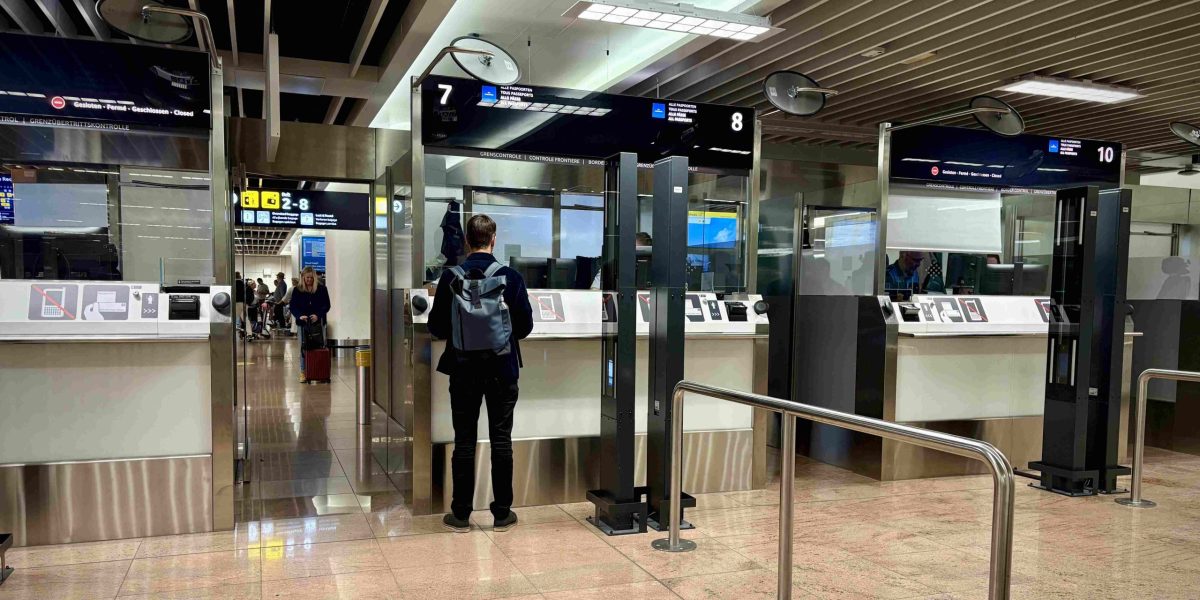
Europe's grand experiment with biometric border checks is hitting turbulence, and the continent's tourism industry is asking Brussels to slam the brakes. In an open letter dated 26 November, the Tourism Manifesto, an alliance of more than 80 public and private organizations, calls on the EU to renew member states' flexibility to suspend fingerprint and facial scans until persistent problems are fixed. The group's message is blunt: Europe remains open for business, but the Entry/Exit System (EES) is creating "unnecessary friction."
The stakes are enormous. Drawing on World Travel & Tourism Council (WTTC) research, the letter warns that up to 41 million international arrivals and USD 45.4 billion in visitor spending could vanish if long delays become a permanent fixture at Schengen Area borders. That's not just a number. That's the difference between a thriving travel season and a disaster for airports, hotels, and local businesses that depend on tourists.
Travelers' patience, it turns out, has limits. A WTTC consumer survey from June found that while 87% of travelers would tolerate minor disruption for smoother journeys later, 55% said it depended on how long the waits were. More tellingly, 63% would consider a destination outside Schengen if delays became routine, and 39% of UK travelers said excessive queues would make them much less likely to visit. The message is clear: Europe can't afford to be the continent of endless lines.
Airports are already feeling the strain. The letter says European airports reported long delays in September and afterward, once the temporary suspension of biometric collection ended. Missed connections, passengers kept on board aircraft until terminal space freed up, and staff shortages are all part of the picture. Only two member states run a pre-registration app to speed up arrivals, and smaller regional and island airports, often a destination's main gateway, are especially vulnerable. For travelers, that means the chaos isn't limited to major hubs. A short hop to a Greek island or a Scottish isle could mean the same frustrating wait.
The knock-on effects reach well beyond border checks. Reduced duty-free and travel retail income, poor provision for passengers with accessibility needs, and business delegates stuck in queues whose experiences are shared widely on social media all add to the damage. The timing is particularly awkward, with Thanksgiving falling this week, a peak time for US travelers to research and book their next European adventure. A bad first impression could linger.
Responsibility is another sticking point. Ministries in charge of border control are not those overseeing airports, so airport operators cannot fix what is ultimately a government matter. Even airports and countries that have invested in resilient systems are frustrated by the wider reputational damage. It's a classic bureaucratic tangle, and travelers are caught in the middle.
The urgency is only growing. From January 2027, stricter enforcement of biometric requirements is expected after an extended informal grace period. The alliance considers it "naïve" to assume member states will find the extra staff and equipment quickly enough, with winter holiday travel only weeks away. They want the suspension option renewed until a sufficient standard is reached across the whole Schengen zone, calling it "an urgent, pragmatic and necessary response."
For travelers, the practical takeaway is simple: expect delays at European borders, especially at smaller airports, and consider using any pre-registration apps if available. The situation is fluid, and the industry is pushing hard for a reprieve. As Brussels weighs its options, the question is whether the EU will listen before the next wave of holiday travelers hits the queues. For more on how Europe is handling travel challenges, check out our story on Brussels Airport's leadership change and the 2027 airfare forecast that might offer a silver lining.