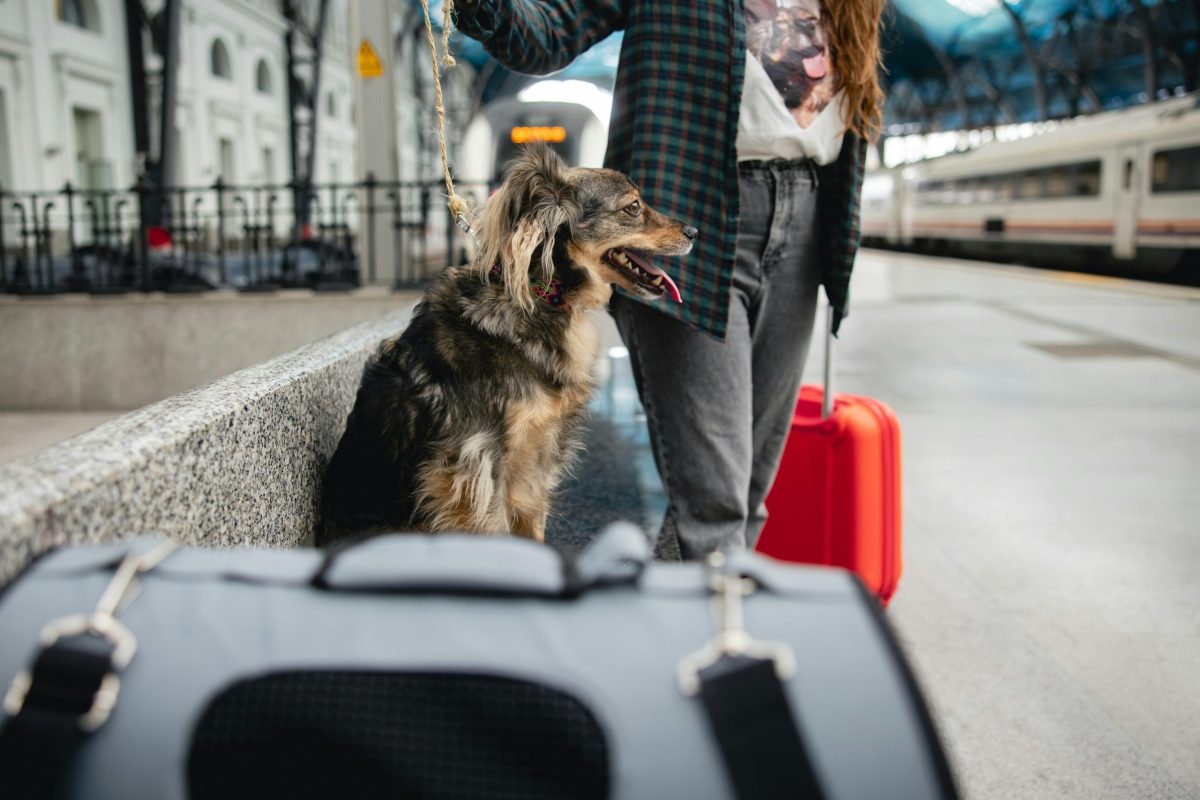
If you have been putting off a European holiday because of the hassle and cost of taking your dog, cat, or ferret, there is light at the end of the tunnel. From 1 March 2028, British pet owners will be able to use a multi-use pet passport for travel to EU member states, replacing the current per-trip animal health certificate (AHC). The change comes as part of the UK and EU's new agreement on sanitary and phytosanitary rules, which aims to align animal and plant health standards.
For now, nothing changes. The UK government says it will explain how to get the new passports in 2027, so until then, you still need an AHC for every journey. That certificate must be signed by an official vet, costs anywhere from £90 to £250, and is only valid for 10 days before travel. It also requires proof of microchipping and vaccination, and if your pet needs a rabies jab, you may have to wait up to 30 days. It has been a costly and stressful ritual for many owners, especially those with holiday homes in the EU who used to rely on pre-Brexit passports.
The new system will be a welcome relief. Not only will it cut costs, but it will also simplify the paperwork. The passport will be reusable, so you won't need to visit the vet before every trip. This is a big win for pet owners who love to explore Europe with their furry companions. If you are planning a trip before the change, check the latest guidance on the UK government's pet travel page.
What about microchips and pet limits?
From 1 March 2028 in Great Britain (and 1 January 2028 in Northern Ireland), microchips must carry a code identifying the country of first registration. If your pet was chipped before 1 January 2028, you don't need to worry, your chip is still fine. The databases will be updated to work with EU systems, so the transition should be smooth.
Another change: the limit of five pets per non-commercial trip will now apply per vehicle or per foot passenger, not per person. That means a family of four can't bring 20 pets, but a single person with five dogs is fine. The cap doesn't apply to animals going to competitions or exhibitions. If someone other than the owner is bringing the pet, they'll need written authorisation, and the animal must travel within five days of the owner.
Wider changes for pet travel and trade
The new agreement also affects commercial pet movements. Export Health Certificates will largely be replaced by Intra-Trade Animal Health Certificates, and many checks between Great Britain and the EU will be scrapped, though some remain for live animals. For pets coming from outside the EU, they'll need to meet EU entry conditions and be checked at border control posts in Great Britain.
Breeders and rescue organisations will face new rules from 31 August 2028, including notification or authorisation, welfare standards, and record-keeping. Online pet adverts will need to include identification and seller details. A consultation is planned for 2027, so there's time to prepare.
Other sectors, like germinal products and biocides, will also see changes, and vets will have to stop using certain antimicrobials. Most changes start on 1 March 2028, with some later, and more guidance will follow.
For now, if you're dreaming of a European road trip with your dog, start planning. The days of £200 vet bills for a piece of paper are numbered. And if you're also thinking about flights, check out our story on easyJet's new American owners and how EU rules might affect them. Or, if you're considering a more glamorous getaway, read about Pan Am's return to the high seas. And for those who love a classic train journey, the Orient Express is heading back to Monte Carlo.
So, mark your calendars for March 2028. Your pet's passport is on its way, and Europe is waiting.