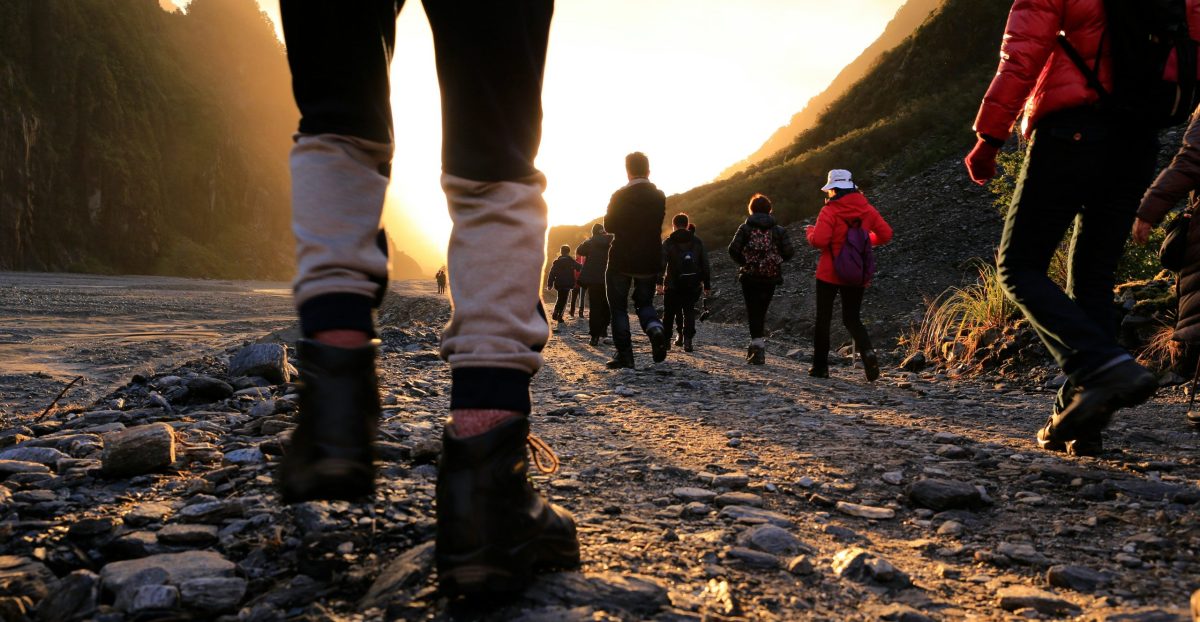
West Flanders has quietly become one of Europe's most walkable corners. On 24 November 2026, the regional tourism board Westtoer opened a 250-kilometer network of signposted trails that stitches together Bruges, Damme, and the Belgian coast. The launch happened in Damme, a picture-perfect town where you can point your boots inland toward Bruges or stride out to the North Sea at Knokke-Heist. The network borrows its name from the Zwin region, the marshy borderland where Belgium meets the Netherlands, and it links up with existing paths across the Dutch frontier. So a morning stroll in Belgium can easily become an afternoon ramble in Zeeland.
The beauty of this system is its flexibility. Instead of following a single fixed route, you pick your own adventure using numbered junctions. Each number on the map matches a physical signpost on the ground, and arrows point you to the next one. Want a loop? Choose a starting point, jot down the junction numbers in order, and return by a different set. Ten starting locations have information boards to get you oriented, and the printed map costs €10 at local tourist offices or through Westtoer's online shop.
Two Ready-Made Walks for the Undecided
If plotting your own path feels like homework, the map also includes two signposted routes. The shorter is the 11.8-kilometer Damse Vaart walk, which follows the poplar-lined canal that connects Bruges to the Dutch town of Sluis. It's an easy, flat ramble with plenty of shade and water views. The longer option, the 13.2-kilometer Zwin walk, heads closer to the coast, where the tides sculpt the landscape and migratory birds pause to feed on the tidal flats. The Zwin Nature Park is a birdwatcher's dream, and the trail skirts its edges without requiring an entry ticket.
For those who want a taste of the coast without the full distance, a 9.2-kilometer loop around the Zwin trims about four kilometers off the main walk. Both routes stay outside the park itself, so you can enjoy the scenery without paying admission. That said, if you do want to explore the park's salt marshes and dunes, the loop makes a handy starting point.
Polders, Villages, and a Glimpse of the Sea
Between the coast and the two cities, much of the walking cuts through polders, those low-lying fields reclaimed from the sea and protected by dykes. Around Ramskapelle, the paths run through open farmland, while other stretches pass through the villages of Oostkerke, Hoeke, and Lapscheure. Each hamlet has its own character, often with a church tower or a canal bridge worth a pause. Heading east, you can connect to the Meetjesland network in East Flanders, and across the border, trails lead toward Sluis, Retranchement, and Sint Anna ter Muiden.
The network isn't just a win for walkers. Valentijn Despeghel, the provincial official responsible for tourism, points out that local hospitality businesses stand to benefit as hikers discover the region. Cafes, guesthouses, and restaurants along the routes are likely to see new faces, especially as the network ties into the coastal walking network and the Velden en Meersen network around Bruges. That means you can extend your trek for days if you're so inclined.
For those who like to plan ahead, the next big thing is the Zwinstreek Trail, a multi-day walking route slated for 2028. It will build on the network that just opened, so the groundwork is already in place. Until then, the numbered junctions give you all the freedom you need to craft your own multi-day adventure. And if you're flying into Belgium, you might want to check out Brussels Airlines' new business class amenity before you land.
Walking through this landscape feels like stepping into a Dutch master painting, with flat horizons, big skies, and the occasional windmill. The trails are well-marked and easy to follow, making them accessible to casual strollers and seasoned hikers alike. Whether you're chasing birdlife, history, or just a good long walk, this network delivers. And if you're curious about other Belgian walking gems, this 7-kilometer trail through living tree history is worth a look.
So lace up your boots and give your GPS a rest. The polders are calling, and they've never been easier to explore.