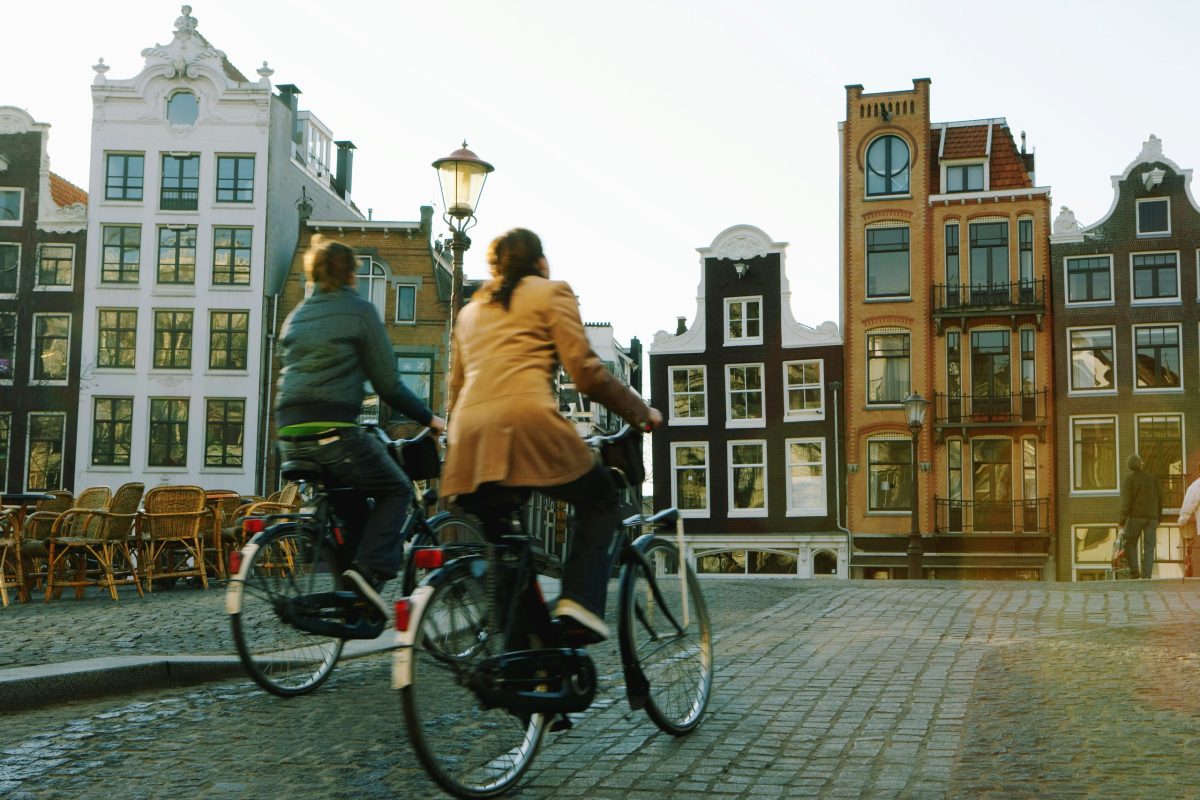
Mention the Netherlands and the clichés come quickly: windmills, tulips, bicycles. The country has around 1,200 historic windmills, exports tulips by the billion, and owns more bikes than people. Amsterdam, meanwhile, has spent the past two decades swinging between two very different tourism extremes. In 2004, the city was actively campaigning for more visitors. Fast forward to 2026, and the pendulum has swung hard the other way. The Dutch capital is now grappling with a tourism boom so intense that local authorities have introduced some of Europe's highest tourist taxes and an annual cap of 20 million overnight stays, a threshold that keeps getting breached.
But here's the twist. Amsterdam is not just trying to slow things down. It's trying to change the kind of traveler who comes. The city wants fewer hen parties and more people who linger, explore the museums, and wander the neighborhoods beyond the red-light district. And one accommodation provider is betting that a seven-night minimum stay is exactly what the city needs.
A Hotel That Makes You Slow Down
Wilde, an Irish aparthotel brand, opened its Amsterdam property in autumn 2026 in Amsterdam Noord, just across the IJ waterfront from Central Station. The location is a free ferry ride away from the tourist crush, tucked into a former industrial district that has reinvented itself with creative spaces, design studios, and a growing food scene. The hotel occupies the first eight floors of a 30-storey tower, with apartments that include kitchenettes, balconies, and views over the water.
The catch, or perhaps the charm, is that you cannot book a single night. Guests must stay at least seven consecutive nights, a deliberate move to discourage the kind of whirlwind visits that clog the canal rings for a weekend. Kelly Morgan, Managing Director of Wilde, says the model is about offering "a home-away-from-home experience where the flexibility of apartment-style living is integrated with the elevated service of a boutique hotel."
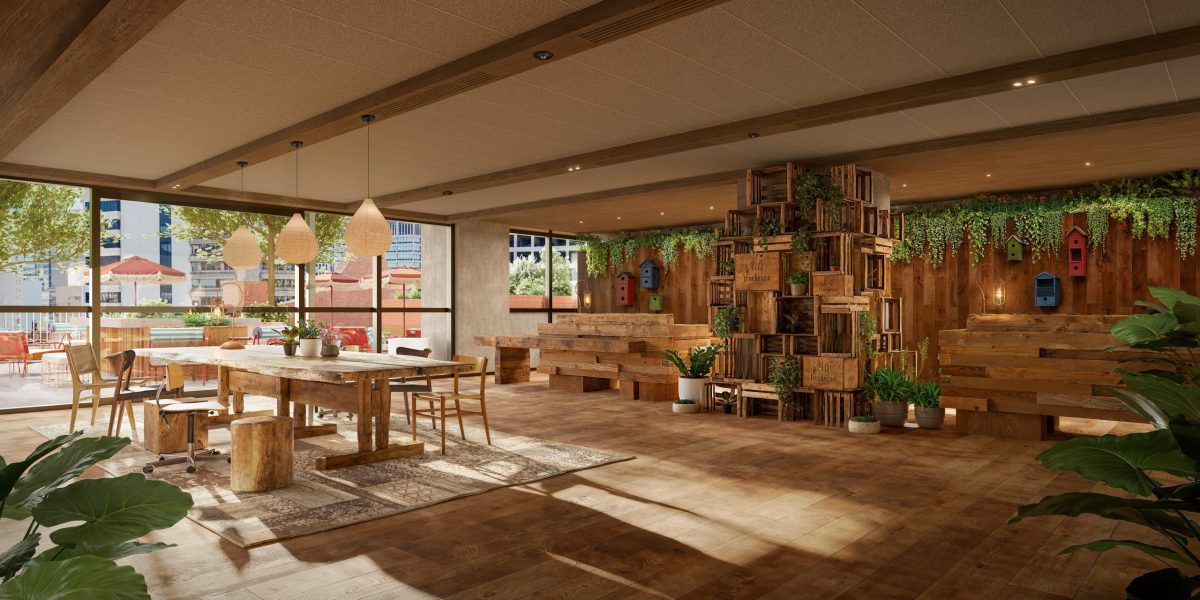
The property has a third-floor garden, a 24-hour reception, co-working spaces, a small gym, and a lounge named after Oscar Wilde, complete with works by Dutch artist Lisette van Hoogenhuyze. The young team, led by General Manager Rob De Ridder, is friendly and helpful. It's a comfortable base, but the real draw is what it represents: a shift toward longer, more meaningful stays in a city that is actively trying to shed its party-town reputation.
Why Autumn Is the Sweet Spot
If you're not ready to commit to a full week, autumn is still the smartest time to visit Amsterdam. The crowds thin out, hotel prices dip slightly, and the queues for the Anne Frank House and the canal boats become manageable. The city celebrated its 750th anniversary in 2025, so the heritage buzz is still fresh, and the mix of 180 nationalities makes it one of Europe's most multicultural capitals.
For those who do visit, the Anne Frank House remains the most moving experience. It's a small museum, so tickets sell out fast, and you need to book well in advance. Walking behind the original hinged bookcase into the cramped secret annex is a sobering reminder of what eight people endured for over two years. Anne's red-checked diary, her notebooks, and the pencil marks on the wall where her height was recorded are all there, framed by the wider story of Nazi persecution.
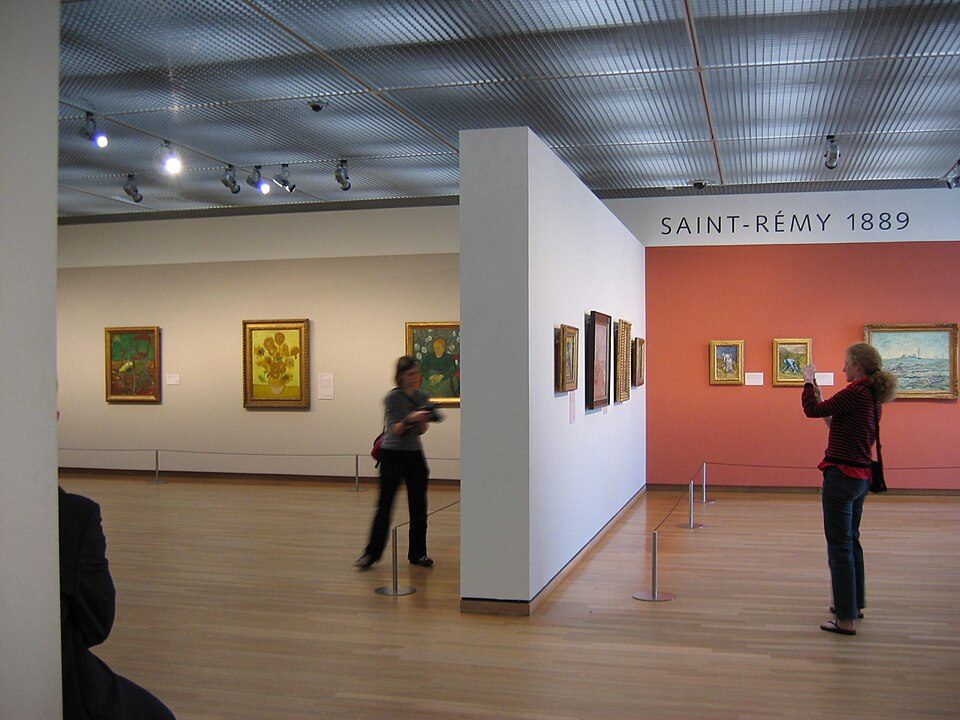
The Van Gogh Museum, in the Museum Quarter, is another essential stop, housing the world's largest collection of the artist's works. But Amsterdam's cultural riches go far beyond the big names. The Rijksmuseum, the Stedelijk, the Hermitage Amsterdam, and countless smaller galleries reward those who take the time to wander.
A City Reimagining Itself
Amsterdam's tourism strategy is evolving in real time. The city has raised its overnight tourist tax to 12.5%, one of the highest in Europe, and it's pushing visitors to look beyond the infamous red-light district. The message is clear: come, but come for longer, and come for the right reasons. The tourist tax hike is part of a broader effort to offset the public costs of overtourism, and the city is also exploring smarter transport links, like the proposed faster train to Berlin, which could shift more travelers onto rail.
For travelers, the takeaway is simple. Amsterdam is no longer a place to tick off in 48 hours. It's a city that rewards patience, whether you're staying in a seven-night aparthotel in Noord or simply giving yourself an extra day to get lost in the Jordaan. The city is betting that slower travel is the future, and honestly, it's hard to argue with that.