There's a seductive narrative we tell ourselves about airports and tourism. More flights equal more jobs, more economic growth, more prosperity for the communities below. But a rigorous new analysis from the New Economics Foundation, commissioned by Transport and Environment, upends this comfortable story. The data reveals something far messier: aviation expansion in Europe's most tourism-dependent regions is actually amplifying housing inequality and pushing local wages further behind rising costs.
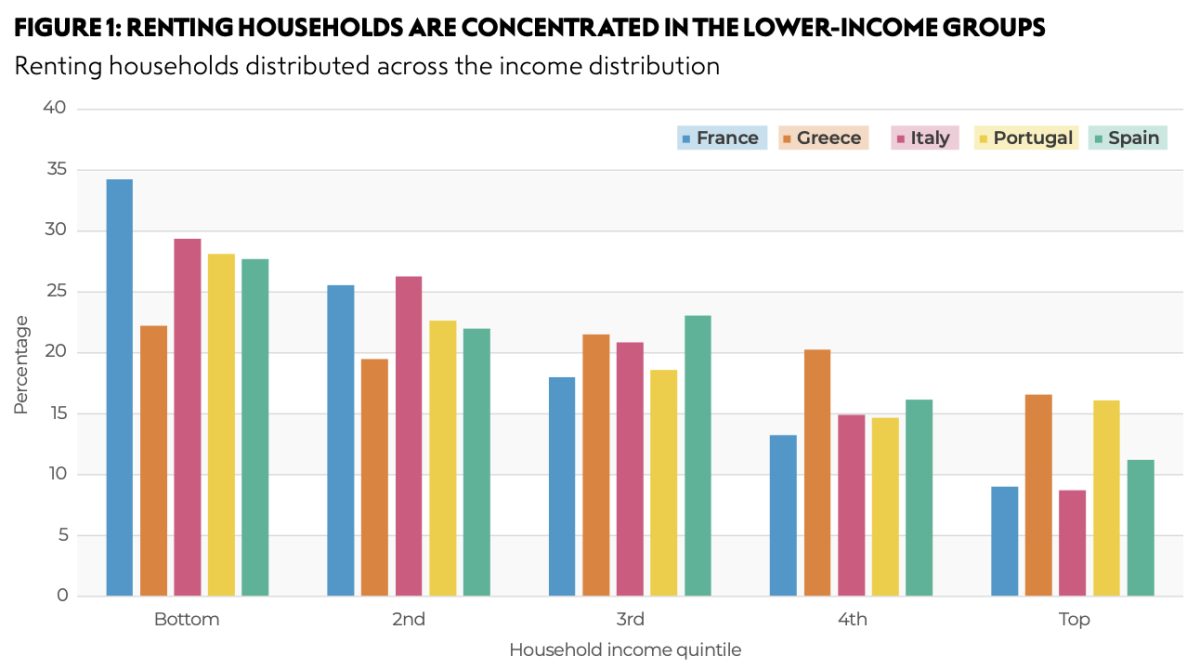
The numbers are stark. In Ireland and across southern Europe, rents in tourism-dependent economies are climbing faster than household incomes. Over the next five years (2026-2031), five of Europe's largest tourism-dependent economies are projected to see annual rental increases of up to €250 per household. Ireland faces the largest absolute rise at exactly €250 annually. Greece, Portugal, and Spain will see even steeper percentage increases, with rent hikes between €160 and €220 per year. The research makes clear who suffers most: lower-income households, including tourism workers themselves, whose wages simply cannot keep pace.
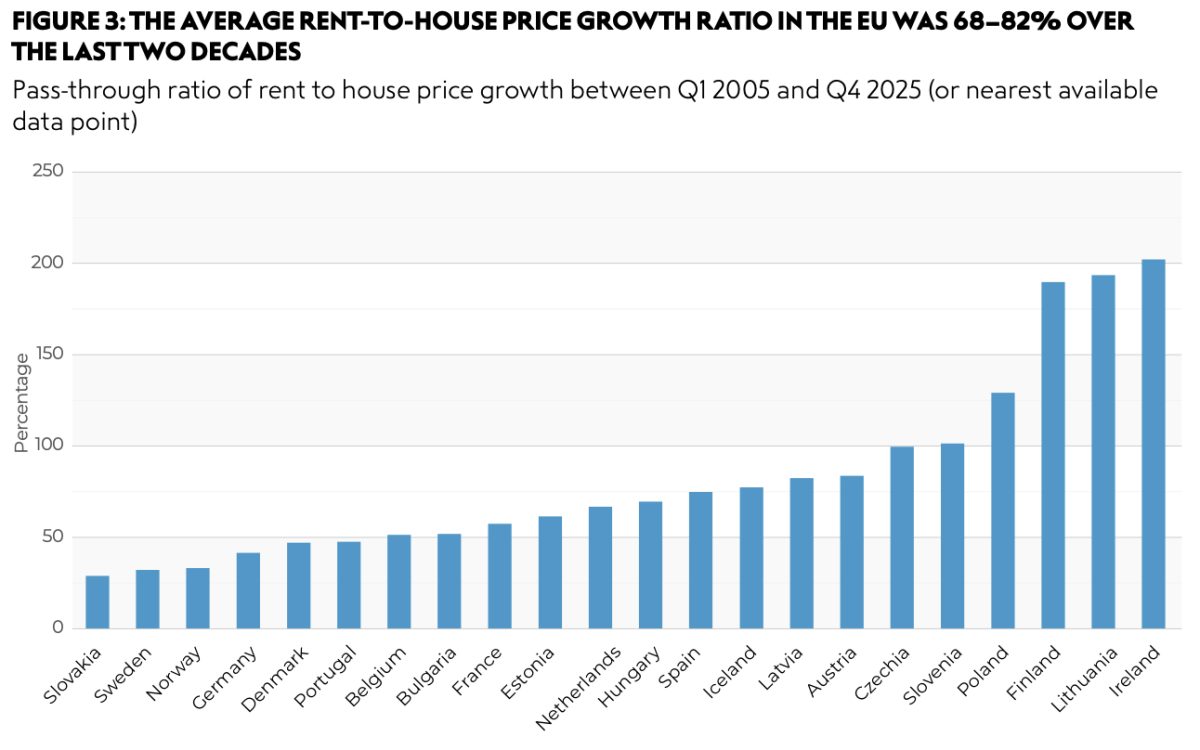
This dynamic creates a cruel irony. Workers in hotels, restaurants, attractions, and transport services depend on tourism to earn their living, yet they're the first casualties when housing prices spike. They're trapped, unable to relocate to better job prospects or invest in skills that might improve their situation. Meanwhile, corporate investors snap up properties for short-term holiday rentals, capturing an outsized share of tourism revenues while workers see no wage uplift. Business investment in other sectors dries up as property accumulation becomes the more attractive option, further narrowing the economic opportunities for locals.
When Airport Expansion Meets Neighborhood Anger
The correlation between aviation growth and anti-tourism sentiment is too strong to ignore. The regions experiencing the most intense local backlash (the Balearic Islands, Crete, Madeira) are the same ones registering the highest number of foreign arrivals per resident, with the vast majority landing by air. These aren't random protests. They're expressions of a population watching their communities transform in ways that benefit distant investors far more than their neighbors.
Yet governments continue doubling down. Spain is funneling €12.9 billion into airport infrastructure, including expansions in Barcelona and Madrid. Athens is mid-way through a €1.3 billion terminal expansion designed to boost annual passenger capacity by 25 percent. Lisbon is actively expanding its terminals. The logic driving these investments remains unchanged: more capacity equals more tourists equals more money. The evidence that this formula leaves ordinary people worse off seems to register as an inconvenient detail rather than a cause for rethinking strategy.
The Climate Cost Nobody Talks About
Then there's the environmental angle. Aviation accounts for an estimated 52 percent of the global tourism industry's direct emissions, with that share projected to climb above 60 percent between 2016 and 2030. Expanding airports in pursuit of higher visitor numbers means intentionally accelerating emissions from one of travel's most carbon-intensive modes. For governments claiming to take climate targets seriously, this reveals a spectacular contradiction.
The New Economics Foundation's head of economic policy, Dr. Alex Chapman, frames the betrayal clearly: "When airports expand, local communities are promised a wealth of benefits. But the data tells a different story. Jobs have been created, yes, but the wages they offer barely compensate for rising housing costs, stretched infrastructure, and increasing pollution." Workers end up worse off than before, despite being the supposed beneficiaries.
Transport and Environment's Denise Auclair puts the challenge in stark terms: "You cannot separate the anti-tourism protests on the ground from the surge of flights overhead. Trying to manage tourism overcrowding while simultaneously expanding airports in Dublin, Barcelona, or Lisbon is a losing battle." The group is calling for an immediate halt to further airport expansions and a fundamental rethinking of how European governments approach tourism strategy.
The recommendations center on three pillars. First, the EU's forthcoming Sustainable Tourism Strategy must seriously examine the impact of international air arrivals on housing and local communities. Second, regions approaching tourism saturation should see air arrivals actively reduced rather than encouraged. Third, governments should prioritize lower-carbon transport like rail and commit to raising workers' wages so that tourism revenues create genuine value for those who actually live in these places year-round.
For travelers, the implications are worth sitting with. The €150 flight deal to Barcelona or Dublin comes with an invisible price tag for the people who serve your breakfast, clean your hotel, and drive your taxi. That doesn't mean you shouldn't travel. It means understanding what your travel choices ripple out into and supporting operators and destinations that are genuinely working to distribute tourism benefits more fairly.
The full research analysis provides the detailed breakdown of how aviation expansion correlates with housing affordability crises across the continent. It's the kind of evidence that demands action but will likely require significant political pressure to shift the current trajectory.