Picture this: you've booked what looks like the perfect getaway through a combination of websites, paid in full, and suddenly the tour operator collapses. Your money vanishes. This scenario has haunted travelers for years, especially after the pandemic left thousands scrambling to recover lost funds. But the European Union just took a serious swing at making that nightmare less likely.
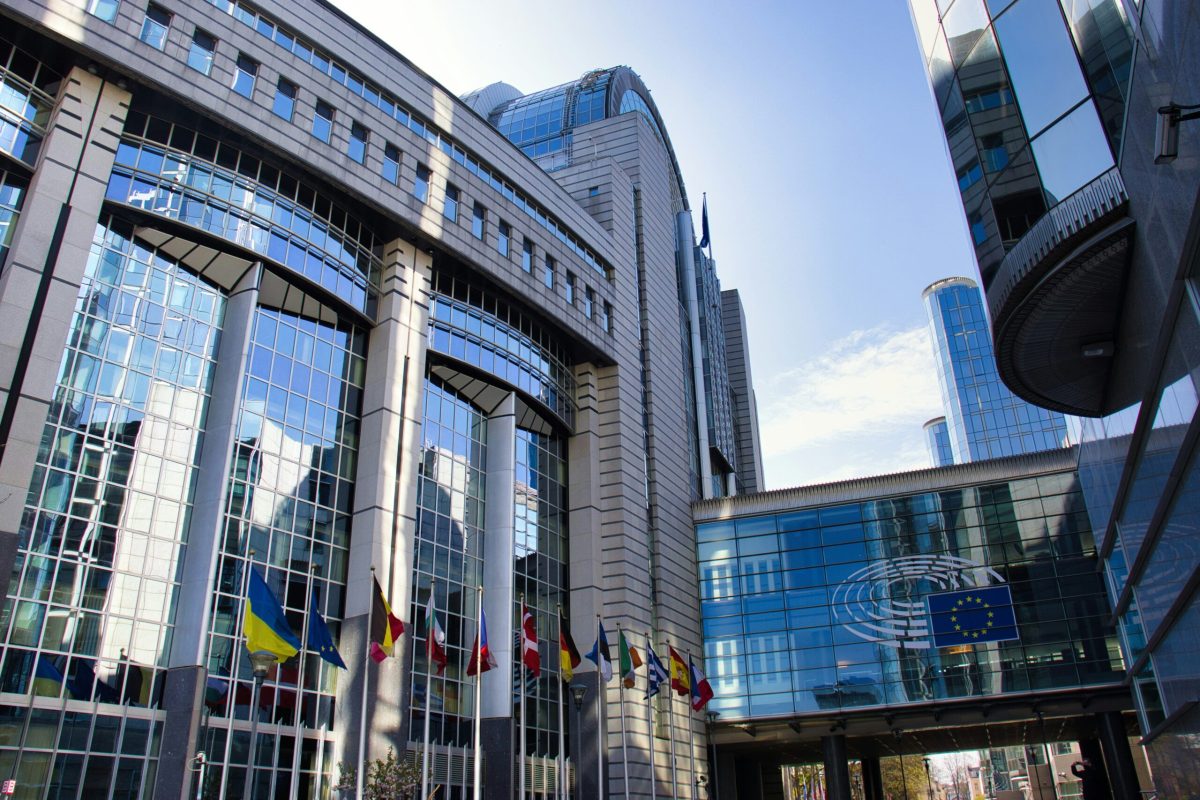
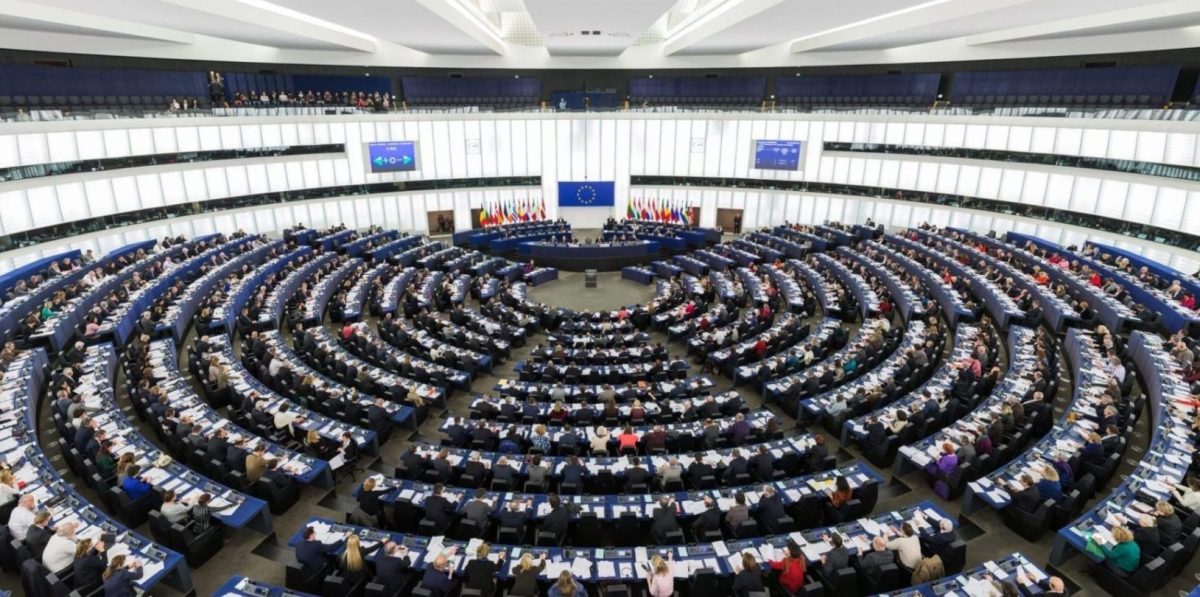
On Thursday, the European Parliament voted overwhelmingly to approve updated rules on package travel protection. The numbers tell the story: 537 votes in favor, just 2 against, and 24 abstentions. This isn't some marginal policy tweak. It's a fundamental reshaping of how holiday protection works across Europe, built directly from lessons learned when major travel companies went under and left customers holding worthless bookings.
What Counts as a "Package" Now (and Why It Matters)
One of the trickiest problems modern travel creates is figuring out what actually qualifies for protection. You might book your flight on one website, your hotel on another, your tours through a third. Are you covered under package travel rules? The old system left this murky and travelers vulnerable.
The new directive clears this up. If you book multiple travel services from different companies but use linked booking processes, or if the first seller hands your data to other providers and everything is booked within 24 hours, you're protected under the EU's package travel framework. This matters because it means bundled bookings pieced together from multiple sources now receive the same legal safeguards as a traditional all-in-one holiday package.
The reform also demands transparency when add-ons are offered. Travel organizers must explicitly tell you if extra services fall outside your main package protection. No more assumptions. No more surprises when you realize your "included" activity wasn't actually covered.
Vouchers Got a Serious Reality Check
The pandemic exposed just how badly vouchers could go wrong. Stuck travelers were pressured into accepting travel credits instead of cash refunds. Many of those vouchers became worthless when companies failed.
Now vouchers are strictly voluntary. You can refuse one and demand a monetary refund within 14 days of cancellation. If you do accept a voucher, it can't stay valid longer than 12 months. Once it expires, any unused balance must be refunded to you in cash. Crucially, travel companies can't restrict which services you can use that voucher for either. That's a massive shift from the chaos of the pandemic era.
Cancellation Rules Got Way More Flexible
The old system let you cancel without fees only for extraordinary circumstances at your destination. But what if your home city becomes unsafe before you can even leave? What if a disaster affects your flight path? The new rules recognize that disruptions don't only happen abroad.
You can now cancel penalty-free if serious circumstances arise at your departure point, at your destination, or along the way. Each situation gets individual assessment, and official travel warnings from your government can support your case. This is a genuine expansion of traveler rights, especially valuable in an increasingly unpredictable world.
When Companies Fall Apart, You're Protected
Company insolvency protection now has real teeth. If your tour operator goes bankrupt, you'll get your money back through national insolvency guarantee schemes within six months. In massive or cross-border bankruptcies, you get nine months maximum. That beats the old situation where families absorbed the full financial hit when a travel company imploded.
Complaints also have to be handled faster. Tour organizers must acknowledge your complaint within seven days and give you a reasoned response within 60 days. No more complaints vanishing into a void.
What Happens Next
The directive still needs formal approval from the Council of the European Union before it becomes law. Once adopted, member states have 28 months to write it into their national legislation. Then there's a six-month grace period before everything actually kicks in.
So this isn't tomorrow's news. But it's coming, and it represents one of the most significant updates to travel consumer protection in years. Alex Agius Saliba, the European Parliament negotiator on this file, summed it up plainly: "These updated rules will protect consumers when something goes wrong with their package holiday."
For travelers, that means your next European getaway has stronger legal backing. Your refunds are safer. Your rights are clearer. And the days of companies transferring your risk to your wallet are getting numbered. That's worth paying attention to, especially if you're planning anything ambitious for your calendar. Like similar regulatory changes in travel (see how Gibraltar's new border deal is changing rules for British travelers), these updates ripple across the entire industry and reshape what you can expect when things go sideways.