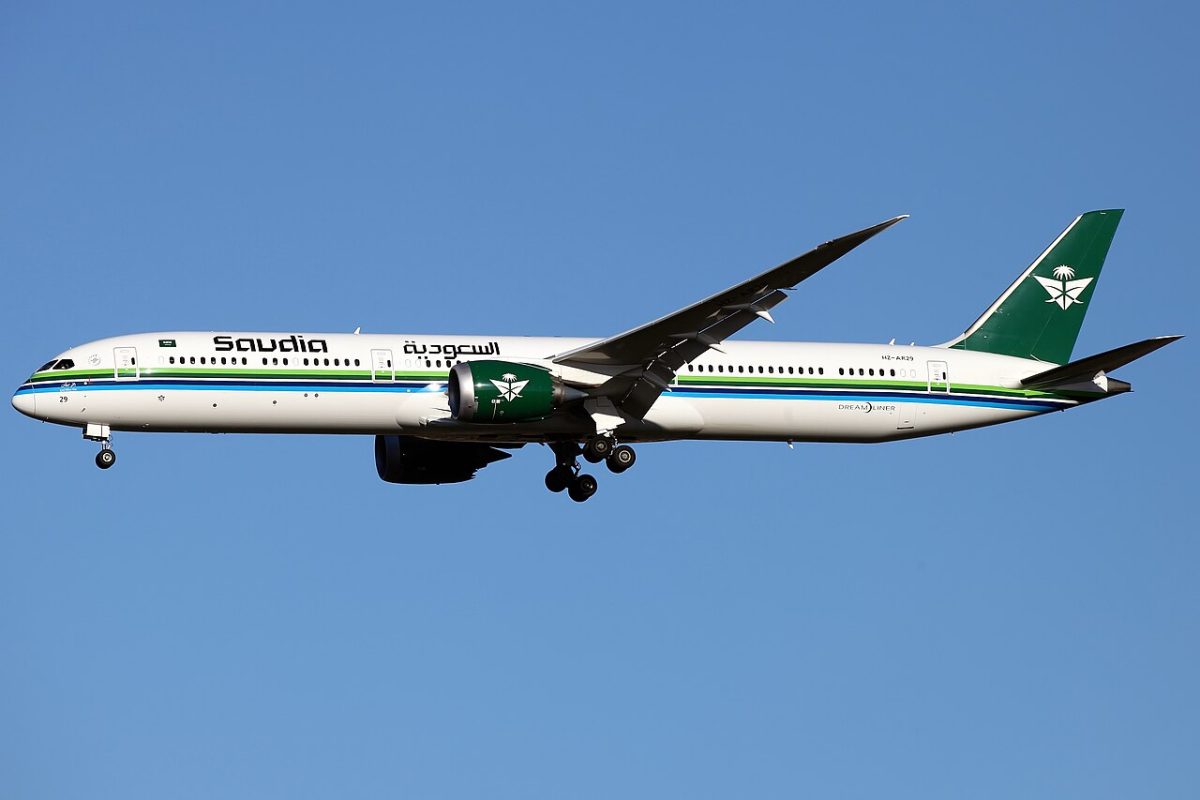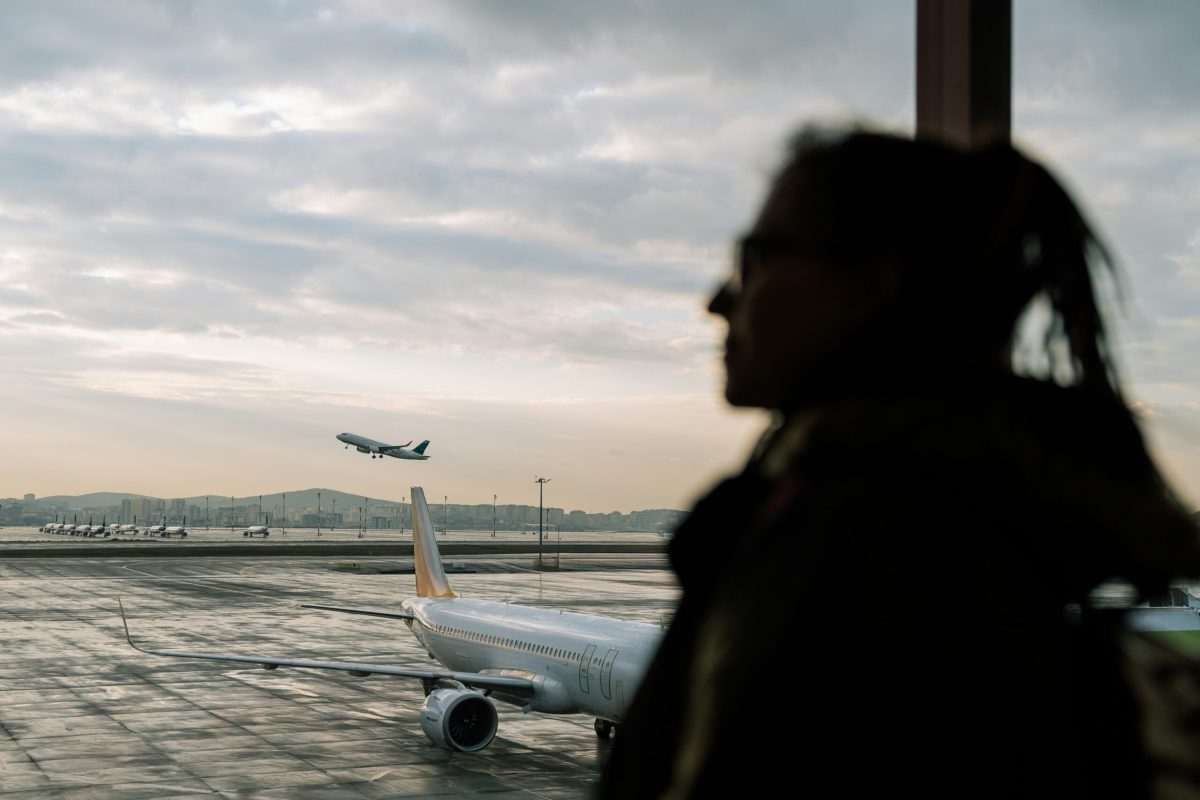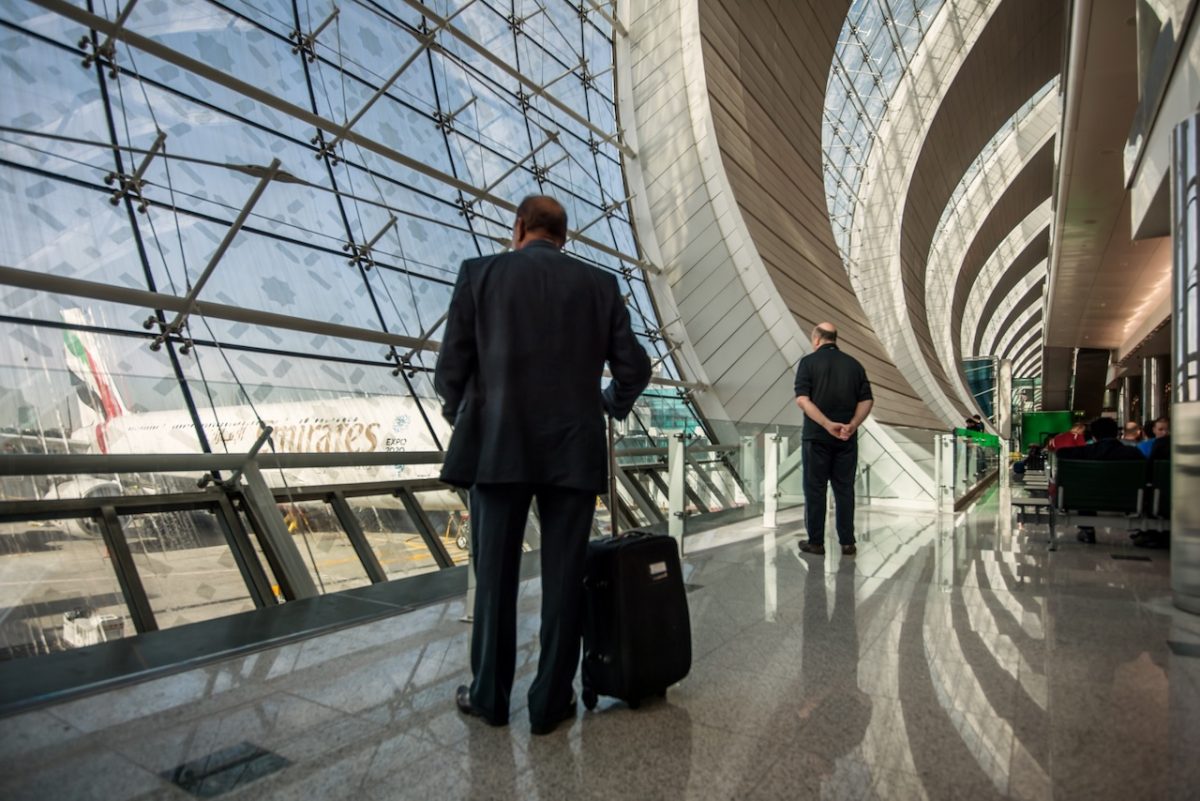
The chaos unfolded fast. On March 7, 2026, debris from an intercepted Iranian airstrike scattered across Dubai International Airport's airspace, forcing authorities to shut down operations at a hub that normally processes 95.2 million passengers annually. Aircraft circled overhead in holding patterns. Thousands of travelers sat in terminals, refreshing flight apps obsessively. For a few tense hours, one of the globe's most critical aviation chokepoints simply stopped moving.
The incident came as regional tensions spiked following military hostilities that erupted on February 28 between the United States, Israel, and Iran. Dubai's Media Office quickly released a statement confirming the closure was temporary. "For the safety of passengers, airport staff, and airline crew, operations at Dubai International have been temporarily suspended," they said. Within hours, though, a partial restart began. The airport announced it would resume limited flights from both DXB and its sister facility, Dubai World Central (Al Maktoum International), though schedules remained fragile and subject to change.
A Warning for Anyone Considering Travel Right Now
If you're thinking about heading to Dubai, airport officials have a clear message: don't show up without absolute certainty your flight is operating. The terminal remains under abbreviated schedules, and the situation continues to shift. "Please do not travel to the airport unless you have been contacted by your airline that your flight is confirmed, as schedules continue to change," airport authorities stated. This isn't standard travel advice. This is a direct plea to avoid wasting time, money, and stress by chasing flights that might not happen.
Emirates, the region's flagship carrier, struck an optimistic tone while remaining cautious. The airline said it expects to resume full network operations within days, "subject to airspace availability and the fulfilment of all operational requirements." Translation: they want to be back to normal, but nobody's making promises about timing. For travelers booked on Emirates or other carriers operating from Dubai, patience and flexibility are no longer luxuries. They're survival tools. Consider nearby Doha's airport as a potential alternative if you need to move urgently.
This Isn't the First Strike on the Hub
The March 7 incident wasn't an isolated scare. Earlier in the conflict, Iranian drone attacks reportedly wounded four airport staff members on the first day of US strikes on Tehran. While the exact targets of Iranian operations remain unclear, the broader Gulf region has faced coordinated attacks on multiple fronts. Luxury hotels including the Burj Al Arab, artificial island developments like the Palm Jumeirah, and Abu Dhabi's airport have all been potential targets or affected by the security situation. Dubai isn't under siege, but it's certainly operating in a different reality than usual.
The UAE's air defense systems did their job on March 7, successfully intercepting the incoming strike. Officials framed this as proof that regional defenses are functional and responsive. That's reassuring from a security standpoint, though it's cold comfort to stranded passengers. Iranian President Masoud Pezeshkian has apologized for attacks on Gulf neighbors while simultaneously threatening any states that serve as bases for US-Israeli operations, a rhetorical dance that leaves the region's stability uncertain.
What This Means for Your Travel Plans
If you have upcoming bookings to Dubai, stay glued to your airline's communications. Call them. Email them. Don't assume anything. Flight statuses are changing rapidly, and airports always announce updates to their official channels first. Check the airport's social media accounts and your carrier's website before leaving home.
For those flexible enough to shift plans, neighboring airports and alternative routes may be worth exploring. Dubai remains one of the world's most connected hubs, but that connectivity also means options exist elsewhere in the Gulf if needed. The situation may stabilize within days, or it may take longer. Right now, there's simply no way to know with certainty.
Travel to the Middle East in 2026 requires more diligence than usual. Monitor news closely, keep your airline on speed dial, and build extra buffer time into any connections. Dubai will bounce back, as it always does. But for now, expect delays, limited schedules, and the kind of uncertainty that makes casual airport strolls a distant memory.