The tranquility of one of the world's most visited travel hubs shattered on March 1st when Iranian drones and missiles struck Dubai International Airport, luxury hotels, and key infrastructure across the United Arab Emirates. The attack marked an unprecedented moment for a destination that has long positioned itself as a secure, stable gateway to the Middle East.
What Happened and Where
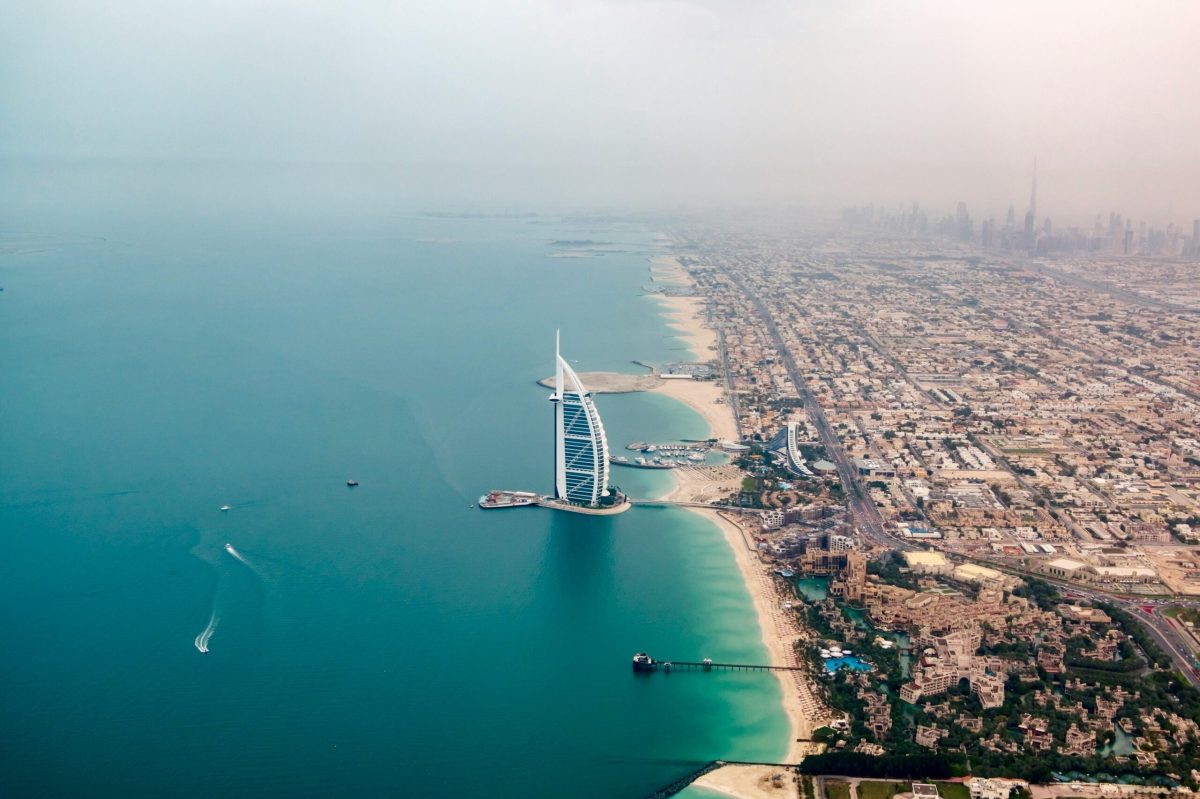
Dubai International Airport, which handles more traffic than nearly any other facility on earth, took direct hits. The Burj Al Arab, perhaps the world's most iconic luxury hotel, caught fire after an intercepted drone strike. The Fairmont Hotel on Palm Jumeirah also caught fire, injuring four people. At Abu Dhabi's Zayed International Airport, one person died and seven were wounded. Even Doha's airport, the region's second busiest, went dark.
The damage extended beyond hotels and runways. Jebel Ali seaport, which hosts military vessels, erupted in flames that firefighters struggled to contain. Together, the airport and port generate roughly 60 percent of Dubai's total revenue, making this strike economically significant far beyond the immediate panic.
The Immediate Travel Impact
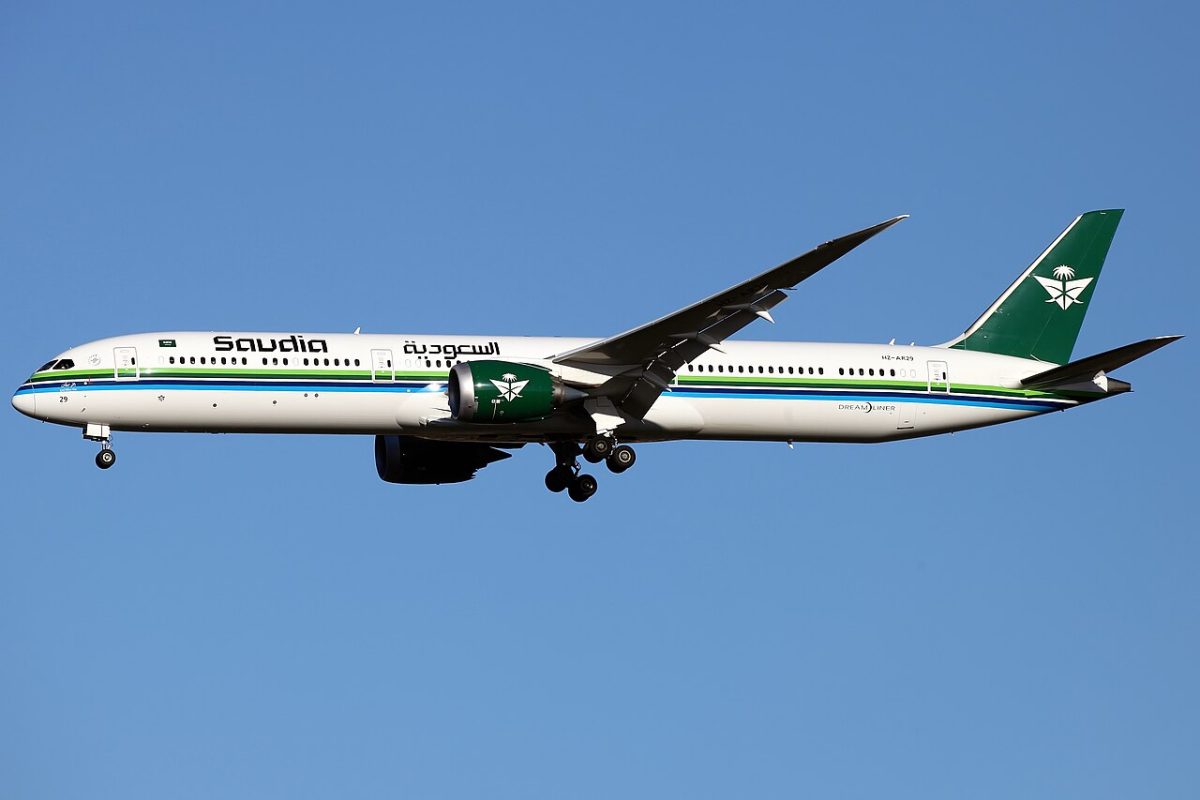
Every major airline serving the region went into crisis mode. Emirates suspended all operations through at least Sunday afternoon. British Airways and Qatar Airways followed suit. Flights already in the air turned back to their departure cities. The airspace across the gulf closed entirely. Hundreds of passengers found themselves stranded, rebooking lines overwhelmed, and the weekend they had planned erased.
Inside the terminals, footage showed smoke hanging in concourses and passengers rushing to shelter. Four airport staff were hurt by falling debris. The scene felt surreal for a place known for seamless, efficient operations.
What Passengers Can Do Now
If you were booked to travel in the next 72 hours, airlines are offering limited options. Emirates told customers they can rebook on another flight up to 10 days from their original date, or request a full refund by completing a refund form (if booked directly with the airline). Travel agents can process rebookings through their own channels.
Qatar Airways echoed this approach, saying they're working with government authorities to support affected passengers and will resume when airspace reopens. Expect significant delays even after flights resume. The backlog of hundreds of cancellations won't clear overnight.
The Bigger Picture
This attack reflects the escalating military tensions between the United States, Israel, and Iran. For travelers, the consequences go well beyond a single weekend. The disruption underscores how quickly geopolitical events can flatten travel plans, even in destinations that feel insulated from global chaos.
Authorities are urging travelers and residents to shelter in place, stay away from strategic targets and windows, and follow all local guidance. Airlines and cruise operators are updating passengers continuously. If you have flights booked to Dubai or anywhere in the UAE in the coming days, monitor your airline's website obsessively and contact them directly before heading to the airport.
Dubai will recover. It always does. But for now, this legendary hub sits quiet, and that silence speaks volumes about how quickly the world can shift.