Skip the sprawling convention centers and thousand-person conferences. The real decisions that reshape global tourism happen over dinner at a single table, in a room where everyone knows what's at stake.
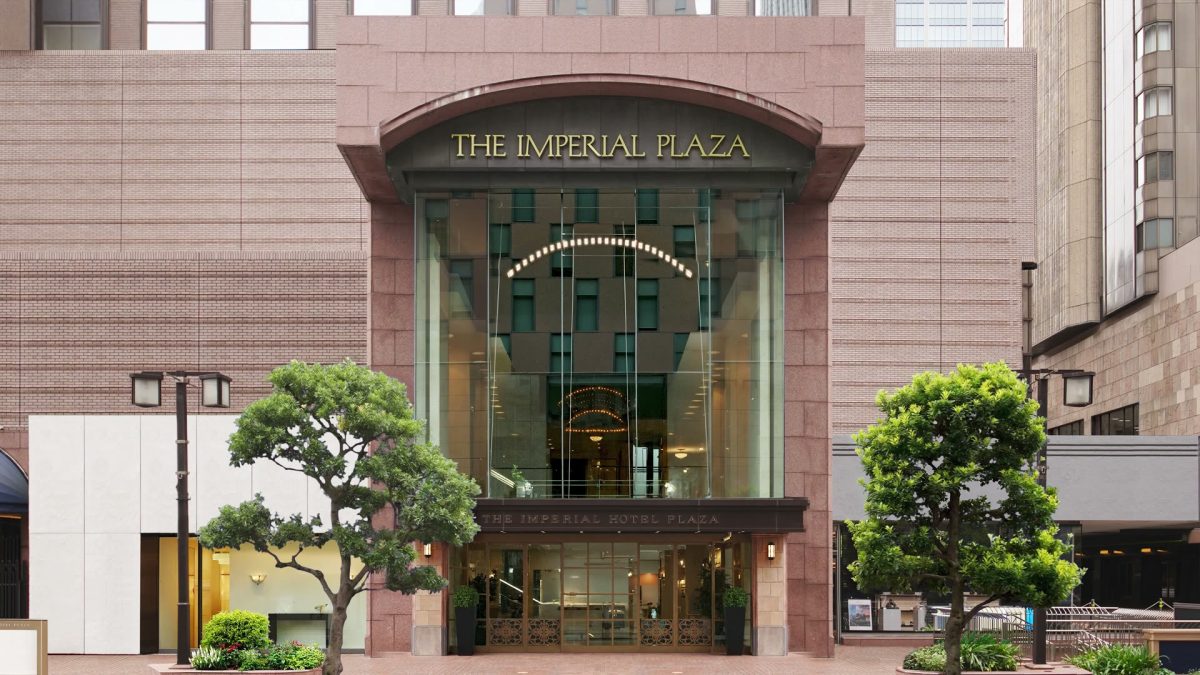
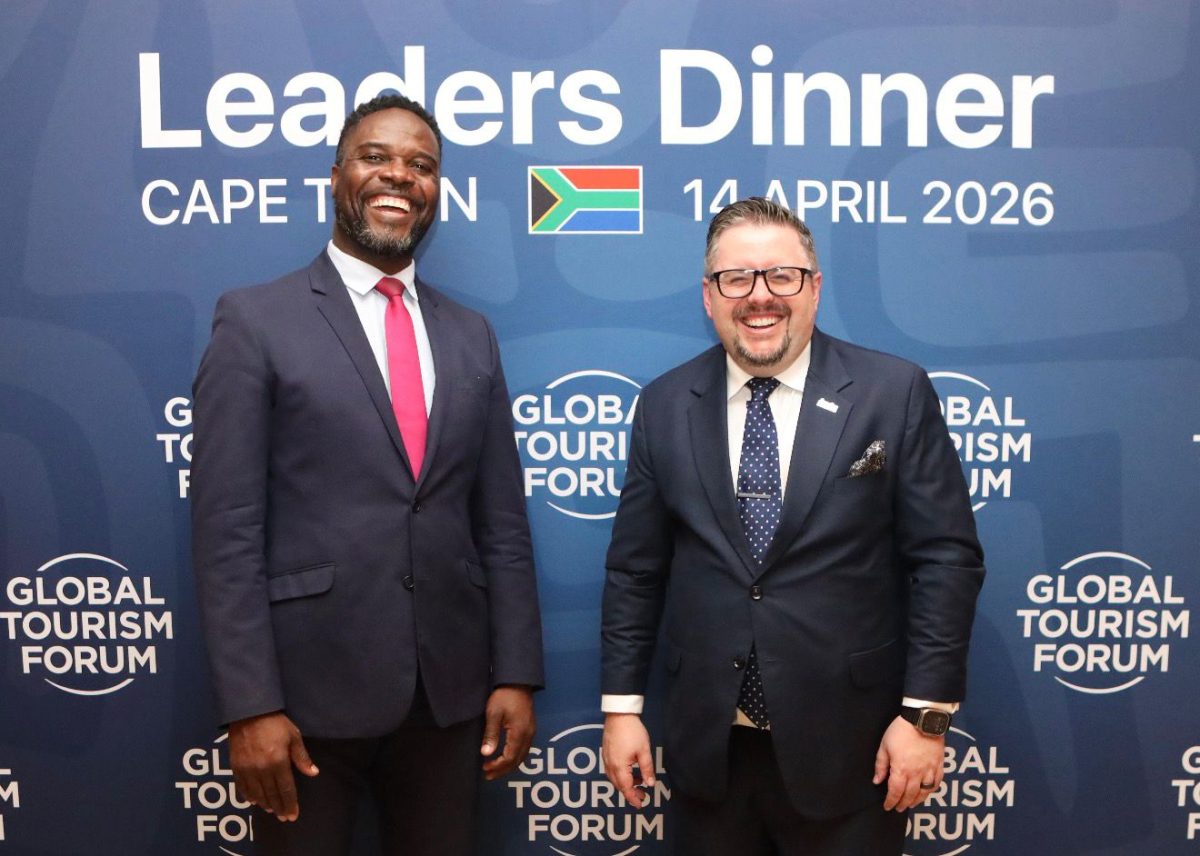
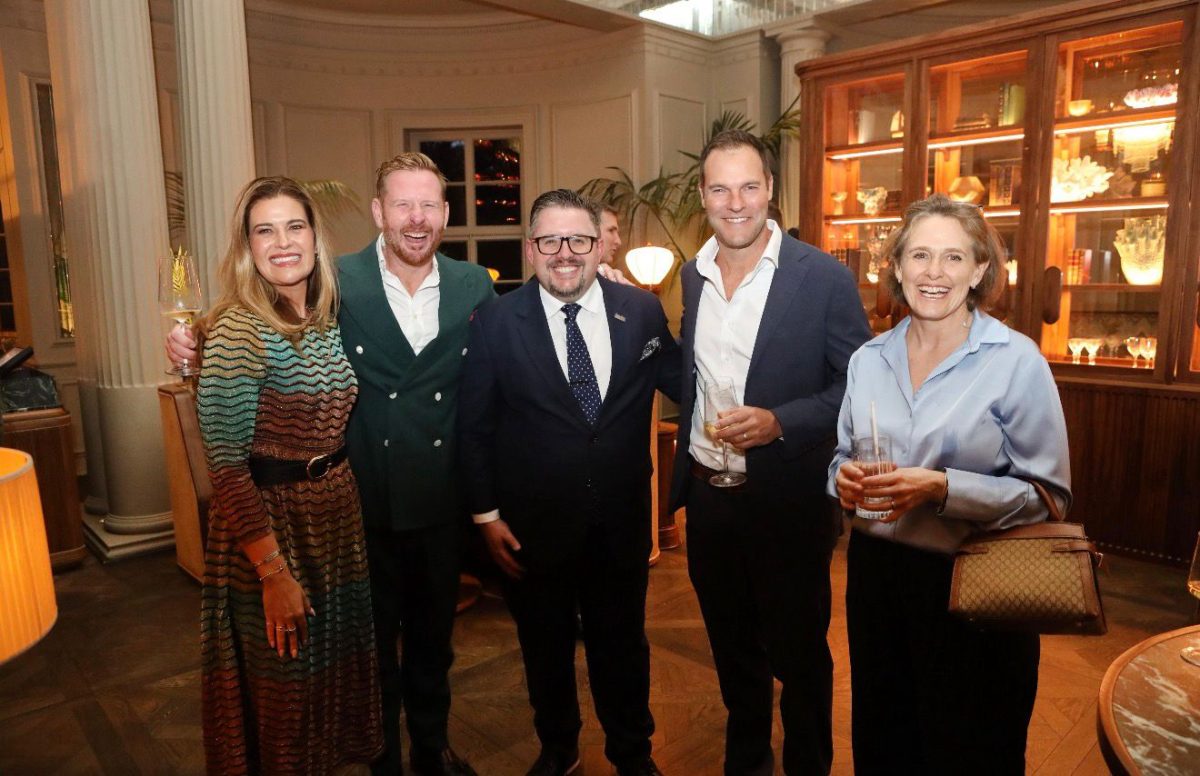
That's exactly what unfolded recently at the Mount Nelson Hotel in Cape Town, where the Global Tourism Forum assembled more than 40 chief executives and senior leaders from across the travel, hospitality, and tourism sectors. No keynote speeches. No panel discussions with moderators asking softball questions. Just the people actually running the world's biggest travel companies, sitting down to wrestle with the forces dismantling and rebuilding their industry.
Why This Dinner Mattered More Than Your Average Networking Event
The timing wasn't random. The tourism world is spinning right now. Travelers expect different things than they did five years ago. Geopolitical tension keeps reshaping which destinations feel safe, which regions are opening up. Investment money is chasing new opportunities in places most Western companies hadn't even considered a decade ago. Destination strategy isn't just about counting hotel beds anymore. It's about survival and long-term vision.
When you gather that many influential decision makers in one space, the conversations shift. No one's performing for an audience. People actually talk about what's broken, where the bets are being placed, and which destinations and companies will matter in five years. These connections, forged over a meal in an elegant historic hotel, often become the seeds for partnerships that reshape the market.
Why Cape Town Was the Perfect Choice
The Mount Nelson itself carried weight. One of Africa's most recognizable luxury hotels, it sits as a symbol of heritage, global relevance, and the kind of prestige that matters when you're trying to send a message. As destinations compete fiercely for visitors, investment capital, media attention, and strategic partnerships, even the venue selection becomes strategic. You're not just booking a room. You're making a statement about where the future of travel is being decided.
And Cape Town, by hosting this gathering, reinforced something crucial. Africa is no longer the afterthought in the global tourism conversation. The continent holds cultural treasures and natural landscapes that draw millions of visitors, and increasingly, it's becoming a region where smart investors are placing their bets. For travel executives, meeting in one of Africa's most dynamic cities sends a clear message about where opportunity lives. Angola's push to attract global investors reflects this same shifting momentum, where emerging markets are demanding a seat at the decision-making table.
The Real Power of Curated Gatherings
Large-scale events dominate headlines. They generate social media posts and press releases. But they rarely change anything. The gatherings that actually matter are the carefully curated ones, where access is limited and every person in the room has real decision-making authority. You get smaller groups of exceptionally influential people, fewer distractions, and conversations that have teeth.
This Leaders Dinner embodied that approach. With around 40 top executives present, it created space for the kind of substantive dialogue that rarely happens at industry conferences. These are the moments when new partnerships start forming. When competing executives realize they're facing the same problems and might benefit from working together. When leaders get a clearer picture of which opportunities are real and which ones are overrated.
A Reminder That the Fundamentals Haven't Changed
Travel leadership keeps evolving. New technologies arrive constantly. Markets shift. Competition intensifies. Consumer expectations keep moving. Yet the bedrock of how progress actually happens hasn't budged. Trust matters. Relationships matter. Direct conversation, without a microphone or a camera, still determines who works with whom and what bets get placed. The executives who gathered at Mount Nelson understood that.
That's why events like this, happening quietly in cities like Cape Town, often matter more than the high-profile summits. When senior travel industry figures spend an evening together in a historic hotel, swapping insights and making commitments to each other, it sends a signal about where the industry believes its future lies. Not in soundbites or trending topics. In the relationships, dialogue, and trust that have always driven real change.