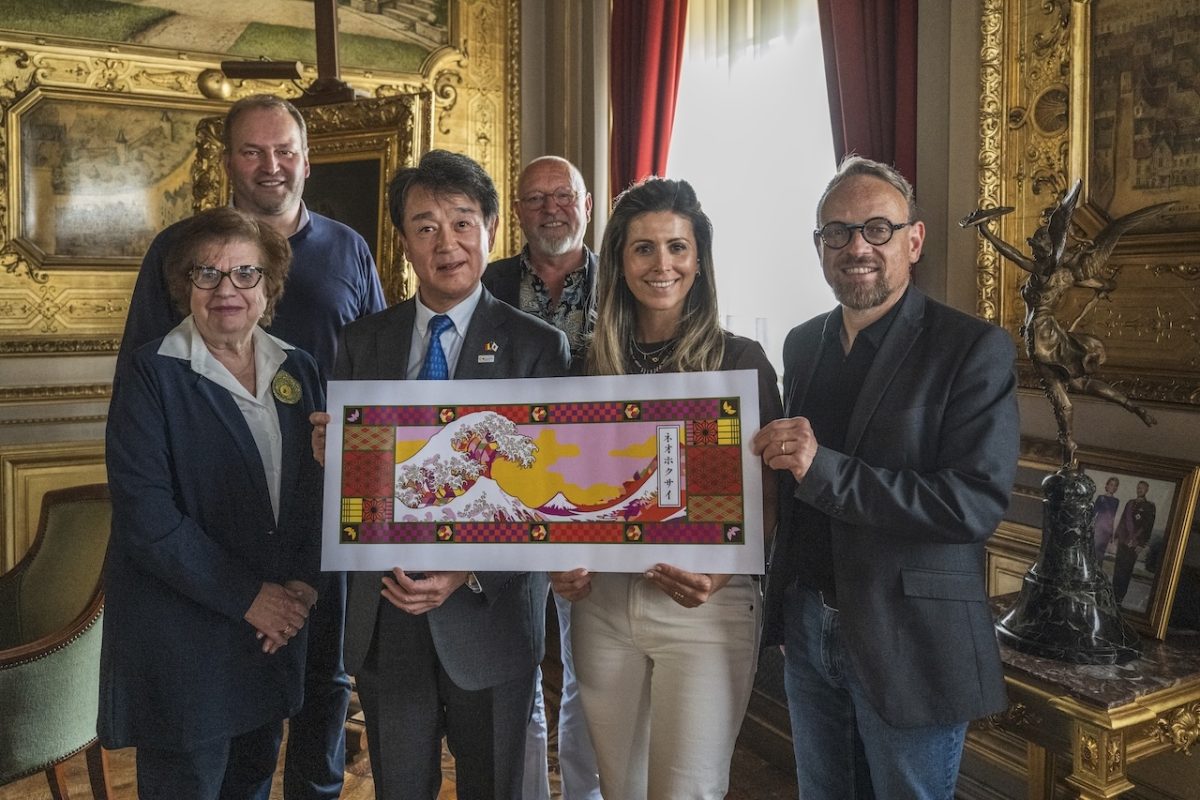
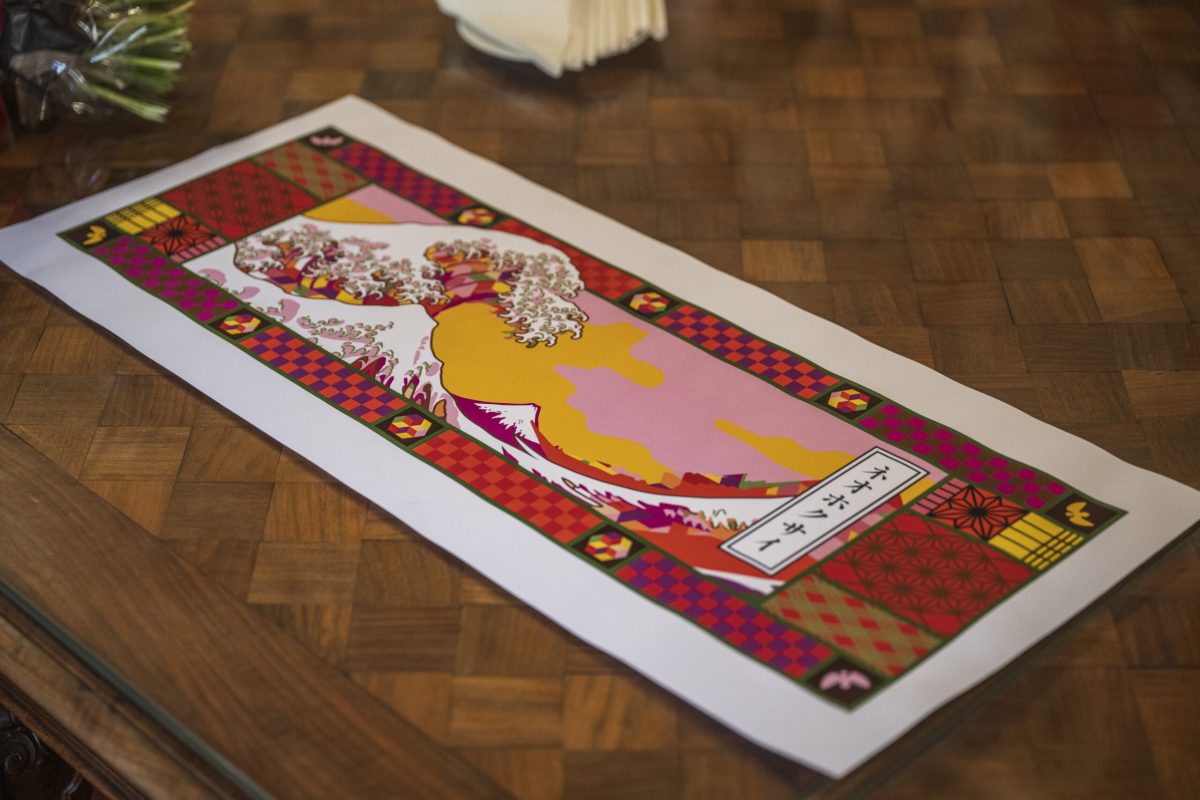
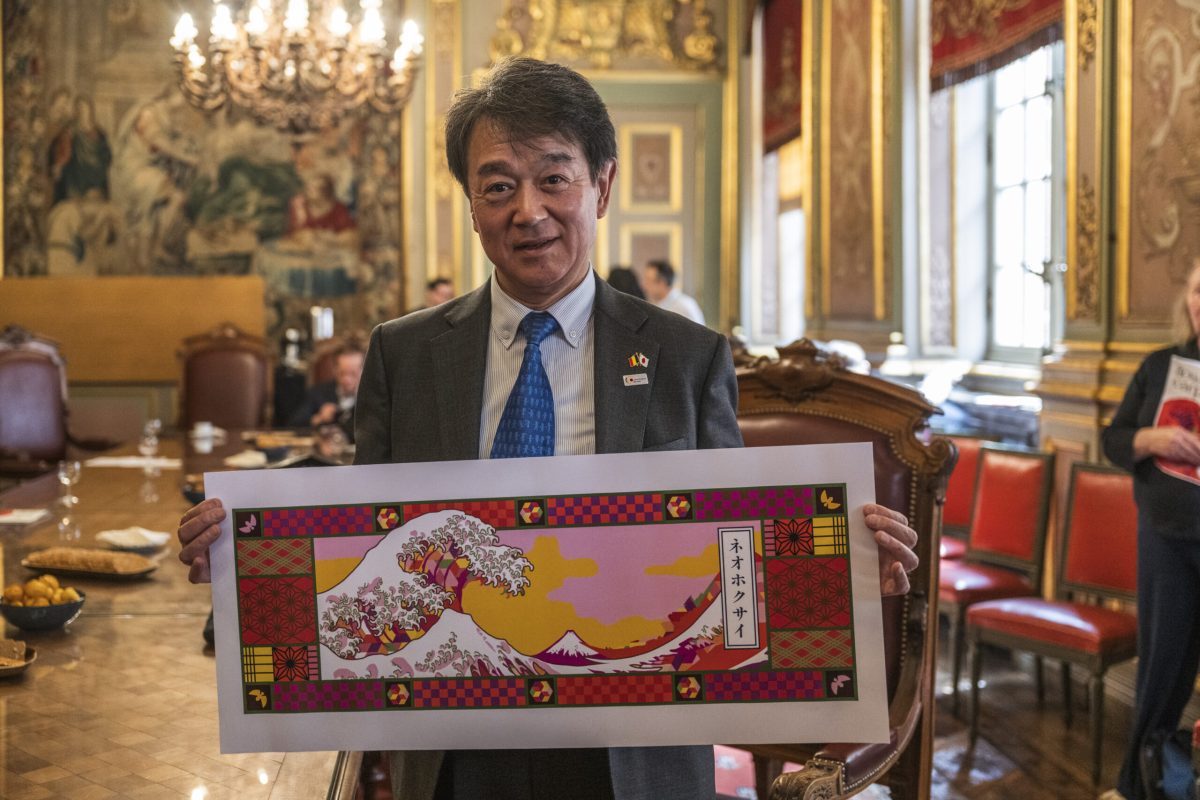
Mark your calendar for something genuinely extraordinary: from August 13 to 16, the cobblestones of Brussels' Grand-Place will vanish beneath a floral explosion spanning 1,300 square meters. The Brussels Flower Carpet is back, and this edition is diving deep into Japanese culture with a breathtaking reimagining of Katsushika Hokusai's The Great Wave off Kanagawa.
The original woodblock print dates to the early 1830s and remains one of the most instantly recognizable pieces of Japanese art globally. For this biennial event, Japanese contemporary artist Hiro Sugiyama and his Tokyo-based collective Enlightenment are orchestrating the floral version, blending pop culture with traditional Japanese aesthetics. Their goal is simple but profound: connect past and future, and bridge Japanese heritage with modern artistic expression.
Why the Japanese focus? Belgium and Japan are marking 160 years of diplomatic relations this year. "The love of flowers is a universal language," explained Japan's ambassador to Belgium, Takeshi Osuga. "In both Japan and Belgium, flowers hold a special place in our cultural and social lives." This isn't their first flower carpet collaboration either. Back in 2016, the pair created a massive Japanese-inspired landscape filled with traditional motifs, koi fish, and natural beauty to celebrate 150 years of friendship.
How Do You Even Build This Thing?
Creating a temporary artwork this size requires military-grade precision. Workers first stretch a giant canvas across the Grand-Place and trace the full-scale design onto it. Then, thousands of individual flowers get carefully inserted into rolls of turf. The secret to keeping everything alive during the busy August holiday weekend? Constant watering, especially during heat waves. The grass beneath actually grows by up to five centimeters while the installation sits on display.
The flower selection has evolved significantly. For decades, Belgian begonias were the star of these carpets, thanks to landscape architect Etienne Stautemas, who launched the tradition back in 1971. But begonia growers in Belgium have nearly vanished. This year, organizers are leaning heavily on dahlias instead, which offer richer colors and more textural variety. The cobblestones they're working with date largely from the 1695 reconstruction after the Great Fire, so this ancient square is literally hosting a conversation between centuries.
Where to Watch and When
You can wander the Grand-Place freely throughout the event, especially during the crowded August 15 holiday weekend. But here's the insider move: the Town Hall balcony offers the real panoramic experience. Tickets are available online, with access from 2 to 6 p.m. on August 13, then 10 a.m. to 10 p.m. on subsequent days. For those not in Brussels, a live webcam will stream both the construction process and the finished carpet.
Each evening from 9 to 11 p.m., sound and light shows will wash the square in color and drama. If you're planning a Brussels trip in mid-August, this alone is worth building your itinerary around. The Grand-Place's guild houses and Gothic Town Hall provide an architectural backdrop that makes the flower carpet feel less like decoration and more like a temporary monument.
This is the second flower carpet ever displayed outside the Grand-Place itself. Organizers are unveiling a sister installation at the Brussels Stock Exchange celebrating Belgium's hops and brewing heritage. Between the Japanese wave and the beer tribute, Brussels is essentially throwing a festival for anyone who appreciates art, flowers, and the unexpected ways cities honor their histories.
Fair warning: if you visit during this window, you'll understand why the Flower Carpet has drawn crowds since 1986. There's something visceral about standing in front of an artwork that's designed to last just four days, made from living plants that require constant care. It captures something about beauty, impermanence, and human effort that photographs never quite convey.