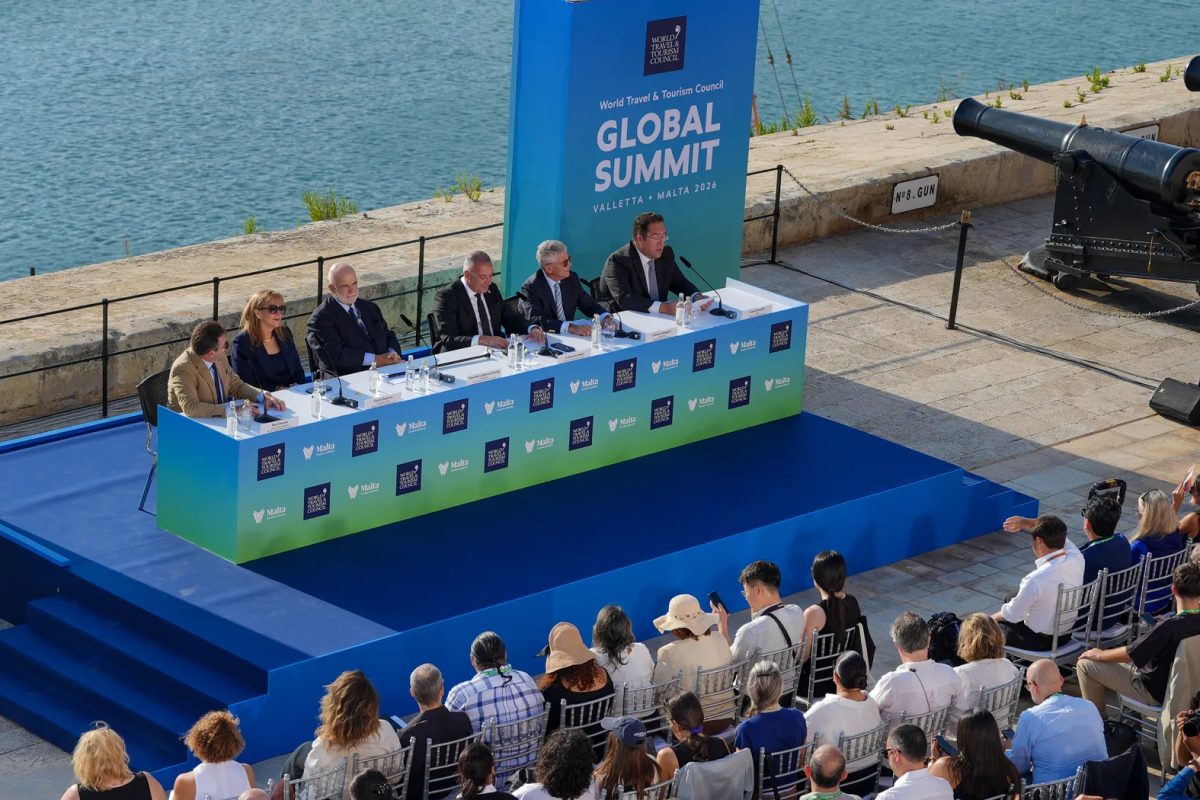
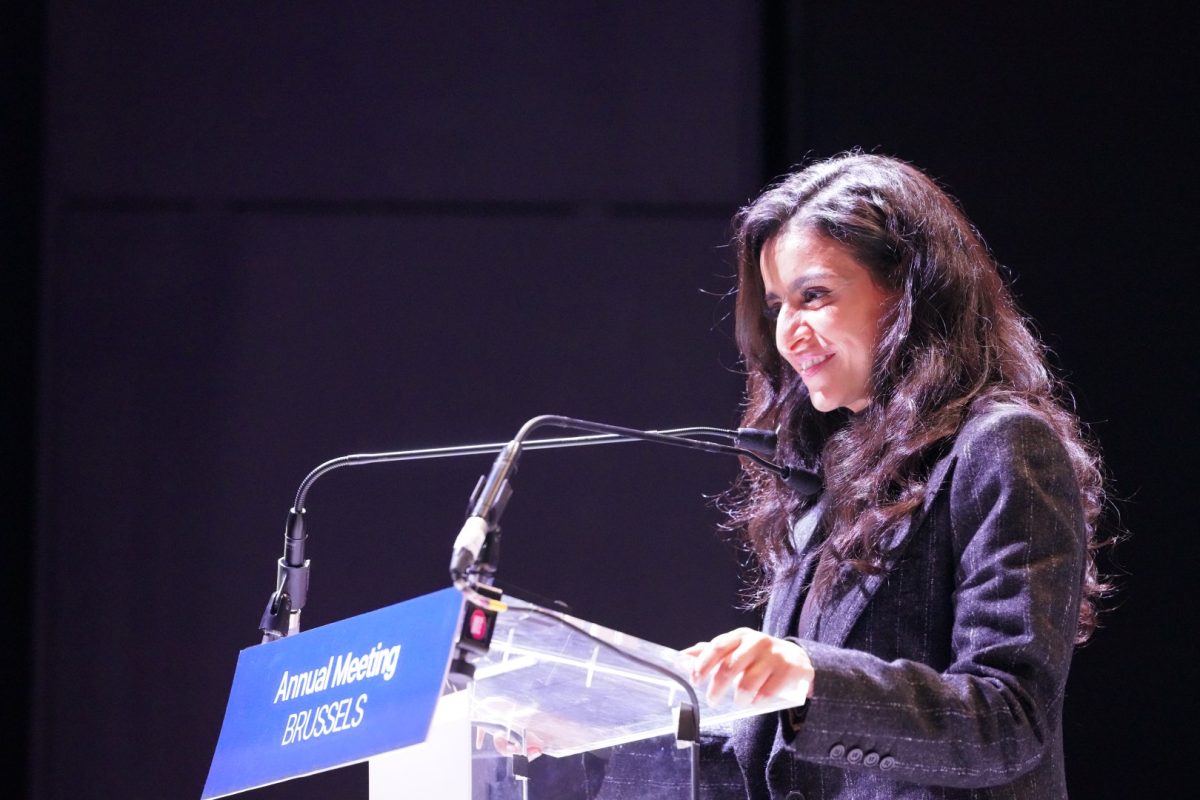
Picture this: five heads of state, more than 40 ministers, and over a thousand of the world's most powerful tourism figures walking through the marble halls of the Royal Museums of Fine Arts of Belgium on a single weekend. That is not speculation or wishful thinking. That is the Global Tourism Forum Annual Meeting 2026, happening October 26-27 in Brussels.
This is not your typical industry conference with breakout sessions and coffee station networking. This is where governments set policy, billionaires write checks, and entire nations get repositioned on the world tourism map. The forum has become one of the most consequential gatherings in the international travel calendar, a place where conversation transforms into investment flows and strategic partnerships.
What's Actually on the Agenda
The focus for 2026 splits into several heavyweight topics. Infrastructure development tops the list, which matters because airports and rail networks are the backbone of modern travel. Aviation expansion follows, a critical issue given how congested many European hubs have become. Digital transformation gets serious attention too, as travel platforms continue reshaping how people plan and book trips. And then there is the question nobody can ignore anymore: what do today's travelers actually want, and how do destinations deliver it?
The venue itself carries weight. The Royal Museums of Fine Arts of Belgium provides more than just impressive architecture for photos. Setting high-level policy conversations against one of Europe's most respected cultural institutions sends a message: tourism is not just economics, it is about preserving and celebrating what makes places worth visiting in the first place.
Why Angola Matters This Year
Angola is positioned as the forum's host country in 2026, and that is not ceremonial fluff. Under the leadership of Márcio Daniel, the nation has been aggressively positioning tourism as a driver of economic diversification. Bringing Angola into the conversation at a gathering of this scale signals to the world that the country is serious about becoming a significant player in global travel and investment. This is particularly relevant for investors looking at emerging markets where tourism can unlock substantial returns. Angola's tourism ambitions are reshaping how the region attracts capital.
The Awards That Matter
Running parallel to the annual meeting is the World Tourism Awards 2026, scheduled for October 26. At last year's ceremony, destinations like France, Egypt, Singapore, and the Maldives received recognition alongside major hospitality brands and travel companies including Turkish Airlines, Marriott International, and The Red Sea Project. These awards have transcended typical industry tributes. They now reflect what success actually looks like in modern tourism: resilience, genuine innovation, and long-term value creation rather than just flashy metrics.
The diversity of honorees speaks volumes. You get traditional powerhouses, emerging destinations making bold moves, and cutting-edge companies reshaping how travelers experience the world. GetYourGuide winning alongside the Maldives as a destination shows how the industry has evolved. It is no longer just about monuments and beaches. It is about platforms, experiences, and accessibility.
Why This Matters for Travelers
These conversations, while happening in elite boardrooms, directly affect where you can go, how easy it is to get there, and what you actually experience when you arrive. When aviation expansion comes up, it means new routes and potentially cheaper flights. Digital transformation discussions lead to better booking platforms and more personalized recommendations. Infrastructure investment opens regions that were previously difficult to access.
The Global Tourism Forum continues to expand its reach, pulling in public and private sector leaders from every corner of the globe. The Brussels gathering reinforces what the organization has proven year after year: tourism is not a luxury industry. It is a driver of economic resilience, cultural exchange, and genuine growth on a global scale. When those kinds of decision-makers gather under one roof for two days, the ripple effects last years.