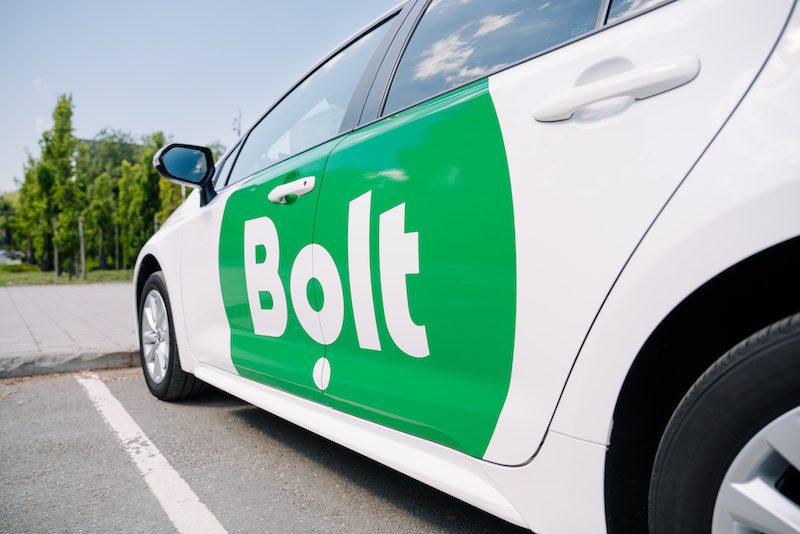
Brussels just became safer for women riders. Bolt, the ride-hailing app, has rolled out a dedicated service that pairs female passengers with female drivers. The concept sounds simple, but it addresses something that's been quietly missing from the gig economy: actual choice about who sits behind the wheel.
Here's how it works. Women passengers can now select "Women for Women" rides when they book. Before using the service, riders upload a selfie and ID document for verification. Female drivers can choose to accept only rides from women passengers. This mutual opt-in approach means both parties feel safer, and both have control. Bolt's verification process accepts transgender women whose official documents list their gender as female, making the service genuinely inclusive.
Why Women-Only Rides Matter
The safety concerns that prompted this service aren't theoretical. Belgian women have reported harassment, assault, and coercion from ride-hailing drivers. Some passengers described being pressured for personal information or threatened when trying to leave a vehicle. In the United States, Uber's own safety report documented nearly 6,000 cases of sexual assault across a two-year period. Globally, women riders face real risks that haven't been adequately addressed by the industry.
Female drivers face their own safety challenges. Being a solo operator in late-night rides carries distinct vulnerabilities that the standard ride-hailing model doesn't always account for.
The Numbers Are Promising
Bolt tested this concept first in France last year. The results justify the investment. Female drivers in France increased by 95 percent. Ride requests from women grew by 40 percent month on month. These aren't marginal improvements. They signal real demand from both passengers and potential drivers who were previously hesitant.
In Brussels, female drivers currently represent just 1 percent of active drivers on the platform, though that figure has quadrupled over three years. The "Women for Women" program aims to accelerate that growth significantly.
Beyond the Booking Option
Bolt isn't stopping at the ride-matching feature. The company is investing 2.5 million euros to recruit and support female drivers. They're offering referral bonuses, reduced commissions, access to vehicles through partner programs, and dedicated driver training. The app itself includes Emergency Assist, ride-sharing features, trip notifications, and the ability to keep driver phone numbers private. These aren't afterthoughts. They're built-in protections.
Mahaut de Lesquen, Bolt Belgium's Operations Manager, frames it clearly: "Women for Women lets women travel with more peace of mind and makes female drivers feel safer. We want to grow the service, get more women on the road, and create a positive cycle that benefits everyone."
Uber Is Moving in the Same Direction
Bolt isn't alone in this approach. Uber expanded its "Women Preferences" feature to 28 U.S. cities, allowing female passengers and teens to select women drivers or pre-book with them. Drivers can also opt to accept more rides from women passengers, giving them agency over their earnings while supporting passengers who need it.
This signals a broader industry acknowledgment that safety preferences shouldn't be treated as niche requests. They're mainstream demands that directly affect whether women feel comfortable using these services at all.
What Comes Next
Bolt plans to expand "Women for Women" to other Belgian cities as soon as operational conditions allow. They're also working toward on-demand availability rather than the current scheduled model. As these programs scale and similar initiatives launch elsewhere, women riders may find they can finally use ride-hailing apps without the safety anxiety that has long shadowed the convenience.
For travelers in Brussels, this is a practical win. For the broader ride-hailing industry, it's proof that addressing safety concerns can actually grow your user base. Everyone benefits when women feel genuinely welcome and protected.