Every minute counts when disaster strikes at an airport. A fire in an aircraft cabin, a fuel leak on the tarmac, an emergency landing gone wrong. These scenarios demand an immediate, powerful response. Brussels Airport understood this reality and decided to act, investing nearly €6 million to overhaul its emergency firefighting capabilities with four brand-new crash tenders and a cutting-edge training facility.
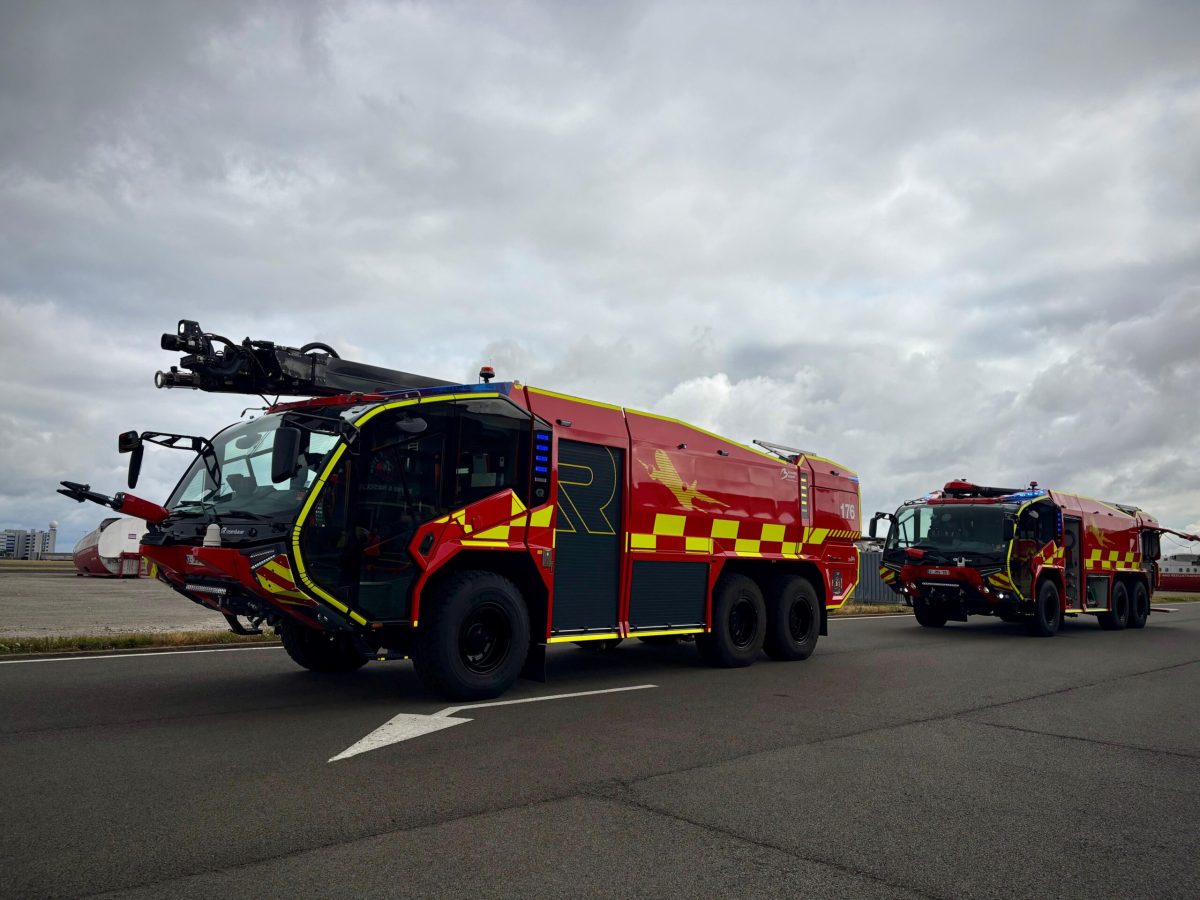
The four new Rosenbauer crash tenders are now rolling across the Brussels Airport tarmac, replacing five aging vehicles that had reached the end of their useful life. These aren't your typical fire trucks. Each one weighs 39 tonnes and can hit speeds of 115 km/h, enabling firefighters to sprint across the sprawling airport grounds in seconds. When every moment matters, that speed becomes a lifeline.
What These Vehicles Actually Do
Inside each crash tender sits a serious arsenal. The vehicles carry 12,500 litres of water, 1,500 litres of specialized extinguishing foam, and 225 kilograms of dry powder. The real power, though, comes from the roof-mounted water cannons that can unleash up to 5,200 litres of water per minute. That's enough force to drench a large aircraft fire and bring it under control fast.
One vehicle stands out from the rest. It's equipped with a steel-piercing nozzle, a specialized tool that lets firefighters inject extinguishing agents directly into an aircraft cabin or cargo hold. In a real emergency, this capability could mean the difference between a contained incident and a catastrophe.
Brussels Airport operates its fire service 24 hours a day, 7 days a week, staffed by crews trained to handle everything from aircraft-related emergencies to other on-airport incidents. Europe's major airports are constantly upgrading their infrastructure, and safety upgrades like these form part of a broader competition to maintain world-class operations.
Training Without Shutting Down the Airport
New vehicles are only half the equation. Skills matter just as much as hardware. That's where Brussels Airport's investment in a dedicated training simulator comes in. This facility recreates realistic emergency scenarios, allowing firefighters to drill their response procedures in a controlled environment. Trainees can practice handling aircraft fires, fuel emergencies, and structural incidents without disrupting actual airport operations or putting anyone at risk. It's a smart solution that keeps crews sharp and ready.
The airport's broader modernization extends beyond just firefighting gear. Airports worldwide are rethinking how they manage passenger flow and security. Brussels Airport is no exception. Starting in 2028, travelers will encounter next-generation body scanners and CT scanners for carry-on luggage. These systems will let you keep liquids and electronics in your bags during screening, speeding up the whole process while maintaining strict security standards.
Brussels itself is also undergoing major improvements. The city is building a rooftop swimming pool, part of ongoing efforts to make the destination more appealing beyond just passing through for business.
For travelers, these investments signal something important. The airports and cities you pass through are thinking about your safety, your convenience, and your experience. Brussels Airport's €6 million commitment to emergency preparedness reflects a serious commitment to handling whatever comes its way. Whether you're flying in for a quick layover or a weekend getaway, that's worth knowing.