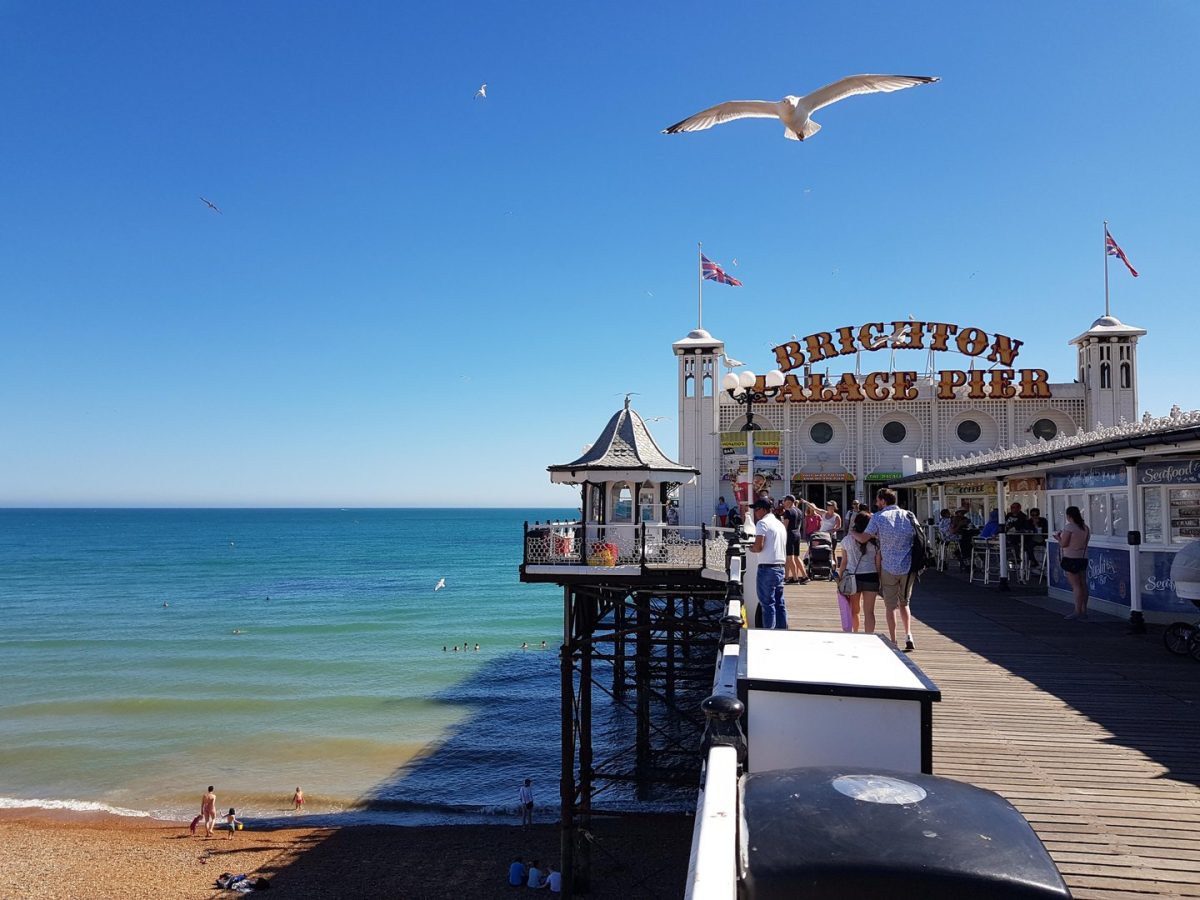
Brighton's seafront holds a secret that most visitors never think about. Beneath the pebbled beaches and the energy of the pier lies a string of iron and brick arches, relics of the Victorian era dating back to 1860-1880. These aren't just pretty architectural details. They're the backbone holding up King's Road, one of southern England's busiest traffic arteries. Every single day, roughly 22,000 drivers and 1,500 cyclists rely on those same arches to reach Brighton Pier, Brighton Beach, and the i360 observation tower.
But here's the problem: after more than 140 years of handling traffic, weather, and the relentless wear of coastal life, those arches are failing. Cracks have spread. Sections have weakened. The whole system has started looking fragile. That's why the UK government just committed £22 million to save them, with Brighton City Council adding another £3.9 million to the effort. This isn't just infrastructure maintenance. It's a chance to reimagine an entire stretch of the seafront and bring something new to life.
A Restoration Plan That Goes Beyond Bricks and Mortar
The work isn't happening all at once. Since 2014, the city has already completed three renovation phases. The first phase transformed 26 arches into shops and added public restrooms. The second strengthened 33 more arches between The Seahorse restaurant and the West Pier. The third created Shelter Hall, a new public facility on the lower promenade complete with a revamped walkway and sea wall. These weren't just engineering jobs. They opened up space for local businesses and made the waterfront more usable for everyday visitors and locals.
Phases 4 and 5 will tackle the remaining sections. Phase 4 focuses on the area between the bandstand and the i360, while phase 5 moves west toward Shelter Hall. But the real excitement lies in what happens alongside the structural work. The funding will create room for new cafes, shops, and galleries tucked within the renovated arches. This blend of conservation and commerce could breathe fresh life into the strip, giving entrepreneurs the space they need while preserving the visual identity that makes Brighton's waterfront so distinctive. City planners are also exploring a redesigned paddling pool area on King's Road, something locals and young families have been hoping for.
The Timeline and What Comes Next
Phase 4 is expected to wrap up sometime in 2027, with phase 5 completed by 2029. Once finished, these arches should hold up for another century or more. That kind of long-term thinking feels rare in travel destinations that are often caught between preservation and growth. Like Brussels' Royal Palace finally reopening after four years of hidden renovations, this project shows that sometimes the most worthwhile upgrades happen quietly, behind the scenes, away from the flashy announcements.
Trevor Muten, the council's Cabinet member for Transport and City Infrastructure, framed it clearly: "This funding means we can strengthen the Victorian-era arches so they can support the road, pavement and cycle lane on one of the city's busiest routes for another 100 years. But we'll also be able to create a better home for local businesses in this vibrant space on the seafront." Roads and Buses Minister Simon Lightwood added that the investment will keep Brighton's legendary attractions accessible for the next 120 years while boosting local growth.
Beyond the arches themselves, another £26 million has been allocated to fix potholes and road damage across Brighton and Hove over the next four years. It's the kind of comprehensive approach that matters, especially in a coastal town where winter weather and heavy foot traffic can tear up streets faster than repairs can keep pace.
Why This Matters for Travelers
If you've been to Brighton, you know the place has earned its reputation as one of the UK's most beloved beach destinations. The pier, the pebble beach, the bohemian lanes filled with independent shops and restaurants, the quirky energy that permeates every corner. None of that magic happens in a vacuum. It depends on infrastructure that works, on safe roads, on welcoming public spaces, and on a waterfront that invites you to linger.
By the time these renovations finish, Brighton's seafront will be stronger, more functional, and potentially more interesting. New galleries and cafes will add cultural depth. Improved walkways and facilities will make the area more accessible. The Victorian arches won't just be historic curiosities anymore. They'll be living, breathing parts of a destination that continues to evolve while honoring its past. For travelers planning a UK seaside escape, that combination of character and investment is exactly what keeps a destination worth visiting decade after decade.