It started as good news. El Al passengers with confirmed reservations woke up Monday expecting to finally leave after weeks of disrupted travel. The Israeli Transportation Ministry had just given the all-clear to increase capacity on outbound flights from 100 to 200 passengers per aircraft. Airlines issued fresh tickets. Travelers booked seats. Everything seemed set for departure.
Then the order flipped.
Hours before flights were scheduled to push back, officials reversed the decision entirely. The 200-passenger limit evaporated. The cap dropped back down to 100, or in some cases, even lower. Passengers who arrived at Ben Gurion Airport with valid boarding passes and confirmation emails discovered they were no longer permitted on their flights. What followed was a collision between frustrated travelers and overwhelmed airline staff that required police intervention to control.
When Rules Change Faster Than Flights Depart
The core problem was bureaucratic whiplash hitting travelers at the worst possible moment. The Transportation Ministry had sent guidance overnight giving El Al permission to expand capacity. Based on that directive, the airline sold more seats and confirmed reservations. But the next morning brought a reversal from the Civil Aviation Authority and the defense establishment. Now El Al faced an impossible situation: more ticketed passengers than allowed seats under the new regulations.
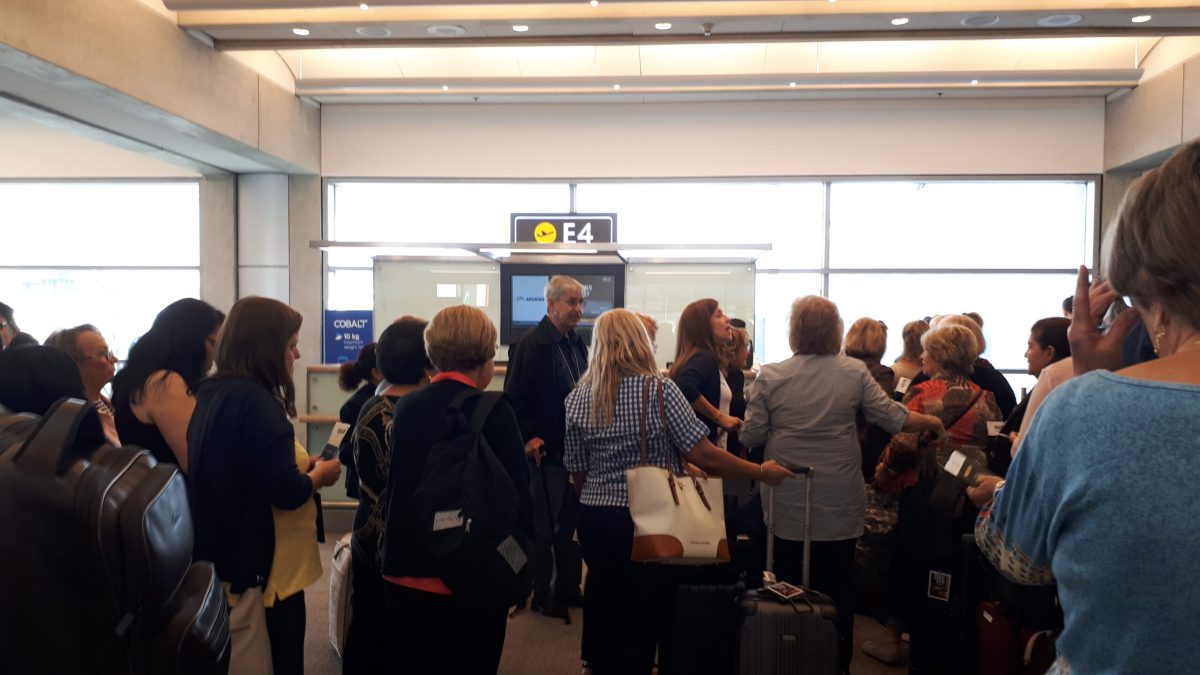
Security forces had to step in as tempers flared at check-in counters. Videos from the terminal showed crowds gathered around desks, passengers demanding answers, and the kind of tension that builds when people are told their travel plans are suddenly cancelled through no fault of their own. This wasn't a case of overbooking or technical delays. These passengers had done everything right. They'd checked in. They had confirmed bookings. And they were still turned away at the gate.
El Al issued a statement explaining they were operating under constantly evolving wartime instructions from the Home Front Command, which meant guidelines could change at any moment. The airline apologized for the disruption. The Transportation Ministry responded by restating that passenger limits must be strictly adhered to for safety and security reasons. Neither response addressed the core issue: people were stuck.
Who Flies When Seats Run Out
When capacity fell short, priority went to passengers whose flights had previously been cancelled and those traveling for humanitarian reasons. Everyone else was left in limbo. Ben Gurion had only recently begun allowing limited outbound flights after operating primarily as an arrival point for Israeli citizens being brought home from abroad. The airspace closure during the conflict had created a backlog of stranded travelers eager to leave. For many of those who showed up Monday with confirmed seats, the sudden reversal felt like adding insult to months of disruption.
The incident highlights a reality facing many airports dealing with Middle East airspace chaos. When security situations change rapidly, authorities need flexibility in their rules. But that flexibility comes at the cost of certainty for passengers who've made plans based on earlier guidance. There's no perfect solution to this tension. Someone will always be disappointed. The question becomes whether airports have systems in place to minimize the fallout and support affected travelers, and Ben Gurion's response suggested those systems were still being developed on the fly.
As Ben Gurion gradually resumes more normal flight schedules under strict security protocols, the airport and civil aviation authorities haven't yet announced new measures to prevent similar disruptions. The underlying issue remains unresolved. For now, travelers heading through Israel's main international gateway should expect volatility and confirm their flights multiple times before arriving at the airport. When rules can shift overnight, confirmation means something different than it used to.