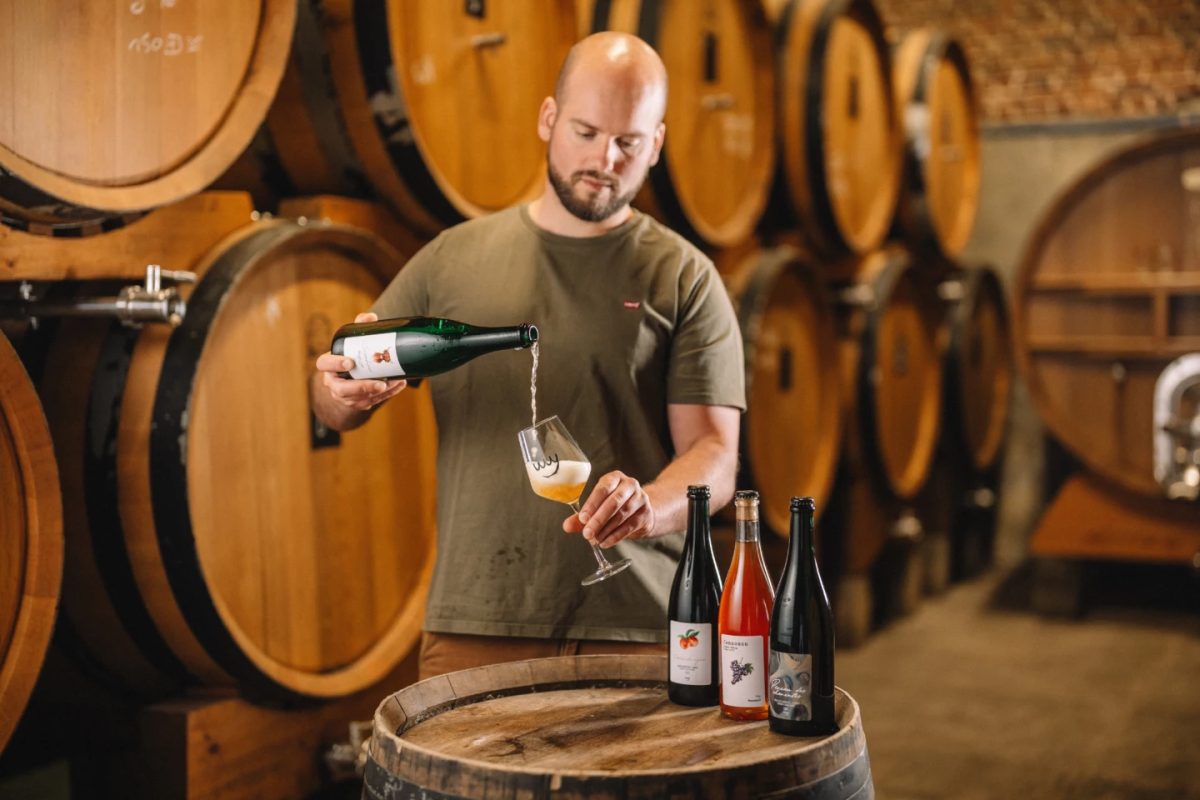
A generation ago, the idea of sipping fine wine from West Flanders would have seemed absurd. The region was wet, gray, and utterly unsuitable for serious viticulture. Today, you can visit 63 different winegrowers across the province, sample Rieslings that actually ripen properly, and join the ranks of travelers discovering Belgium's unexpected wine revolution.
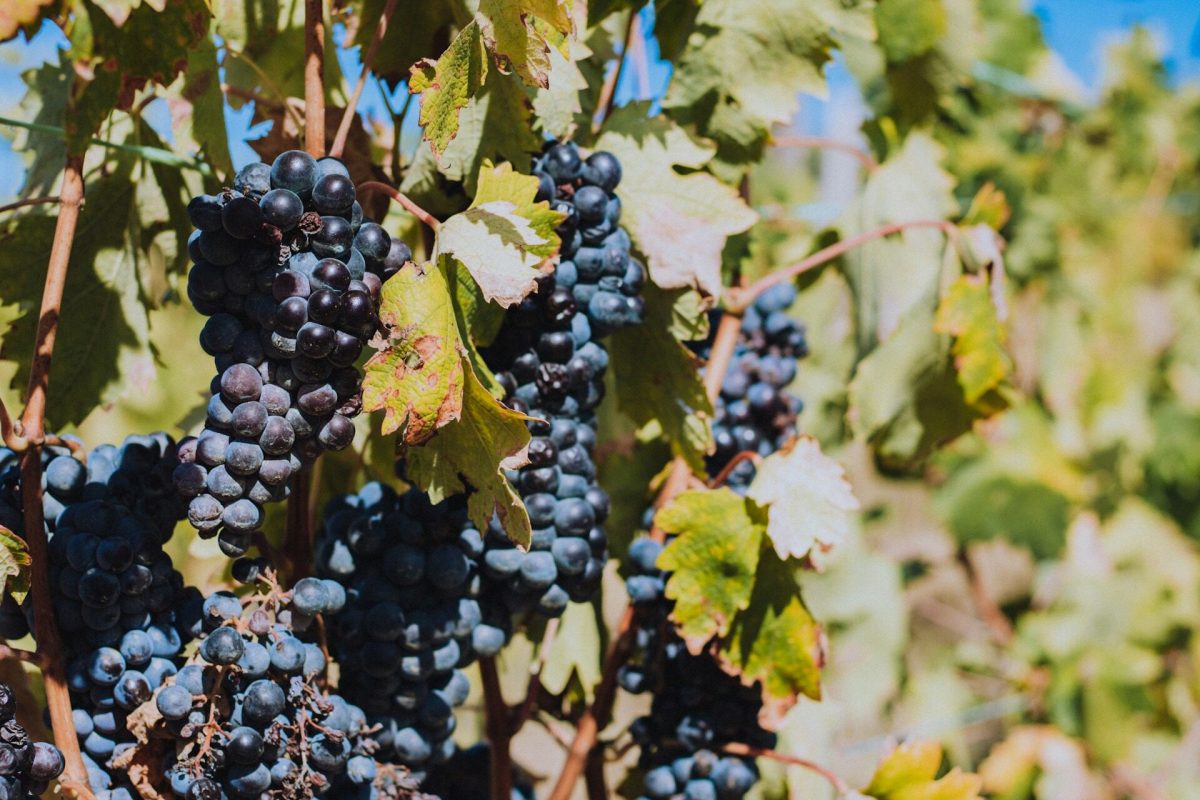
The transformation is real and accelerating. In just five years, the number of winegrowers in West Flanders has more than doubled. Across Belgium overall, vineyard acreage has quadrupled over the past decade, expanding from 150 to nearly 600 hectares. The first grapevines went into the ground in Heuvelland back in 1996. What started as a curious experiment has become a genuine industry.

How Warmer Winters Changed Everything
The driver? Straightforward: winters are getting warmer. Sommelier José Lemahieu points out that December temperatures in West Flanders now average 12 degrees Celsius, up from just over 10 degrees in previous decades. That two-degree shift doesn't sound dramatic until you realize it's the difference between struggling to ripen grapes and doing it reliably. Varieties like Riesling, which once left vintners frustrated, now thrive. Better yet, larger-scale farming has become possible without sacrificing the quality that makes wine worth drinking.
Money and expertise have followed opportunity. Flemish entrepreneurs and investors have poured capital into the sector, bringing automation and professional management practices. This isn't hobbyist viticulture anymore. It's becoming a real business, complete with trained winemakers, modern equipment, and export ambitions. The Belgian Winegrowers Organization now supports over 80 percent of producers with training and advocacy.
Where to Visit and What You'll Find
If you're planning a wine tourism trip to Belgium, the Wine Street initiative deserves your attention. Stretching 80 kilometers through Hageland, Haspengouw, and the Meuse valley, it connects six wine hubs and roughly 60 establishments where you can taste, learn, and eat well. Many visitors opt to cycle or walk between vineyards, pairing their wine education with pastoral scenery and farm-to-table restaurants.
In Hageland specifically, five scenic walking routes let you combine vineyard exploration with visits to historic castles, forests, and artisan estates. You can arrange luxury accommodations paired with wine experiences, or go simpler and focus on the tasting and the views. Each route offers something slightly different, so you can tailor your visit to your pace and interests.
The main wine-growing areas within West Flanders span Heuvelland, Zonnebeke, and Tielt. Each has its own character and roster of producers. Plan time to actually sit down with a glass rather than rushing through a checklist of tastings.
Awards, Recognition, and Growth Pains
Belgian wines have started winning serious international competitions. Domaine du Chant d'Éole in Wallonia claimed Best Sparkling Wine at the London Wine Competition in 2020, a signal that these producers can compete beyond their borders. Protected Designations of Origin and Protected Geographical Indications help ensure authenticity and strengthen regional identity for tourists and wine shops alike.
But rapid expansion brings complications. Intensive pesticide use in new vineyards has started contaminating streams that supply drinking water to towns like Ieper and Diksmuide. The chemical triazoles, used to manage fungal diseases, pose potential long-term health risks. As the sector continues growing, experts emphasize that environmental stewardship is not optional. Economic opportunity and ecological responsibility have to coexist, or the industry risks damaging the very region that makes wine tourism appealing.
Other Belgian wine regions face different challenges. In Wallonia, warmer springs create vulnerability to unexpected frosts that can devastate young buds. Floods and pests like Drosophila suzukii, a fruit fly that attacks ripening fruit, present new obstacles. Winemaker Jeanette van der Steen at Château Bon Baron near Dinant has adapted by using clay coatings and leaf thinning to protect vines. Harvest dates have shifted from mid-October to early September as growing seasons compress.
Belgium's wine story is still being written. What makes it compelling for travelers is that you're visiting a region in genuine transition, watching producers figure out how to build an industry sustainably and responsibly. You'll taste wines that couldn't have existed ten years ago. You'll meet winemakers who are solving real problems in real time. And you'll experience a corner of Europe that's proving that northern wine regions can have a future worth investing in.