When a new holiday destination opens in Europe, it rarely makes headlines for doing things differently. But La Hameau de la Semois, a recently launched eco-village nestled in Belgium's Ardennes region, arrives with an ambition that sets it apart from the usual resort playbook.
The project combines two ideas that don't always coexist in the travel industry: genuine environmental stewardship and the radical notion that vacations should actually be affordable. Founded by Floreal Holidays, a Belgian organization with roots stretching back to the 1920s labor movement, the site represents nearly a century of commitment to making holidays accessible to working families.
Built to Leave as Little Trace as Possible
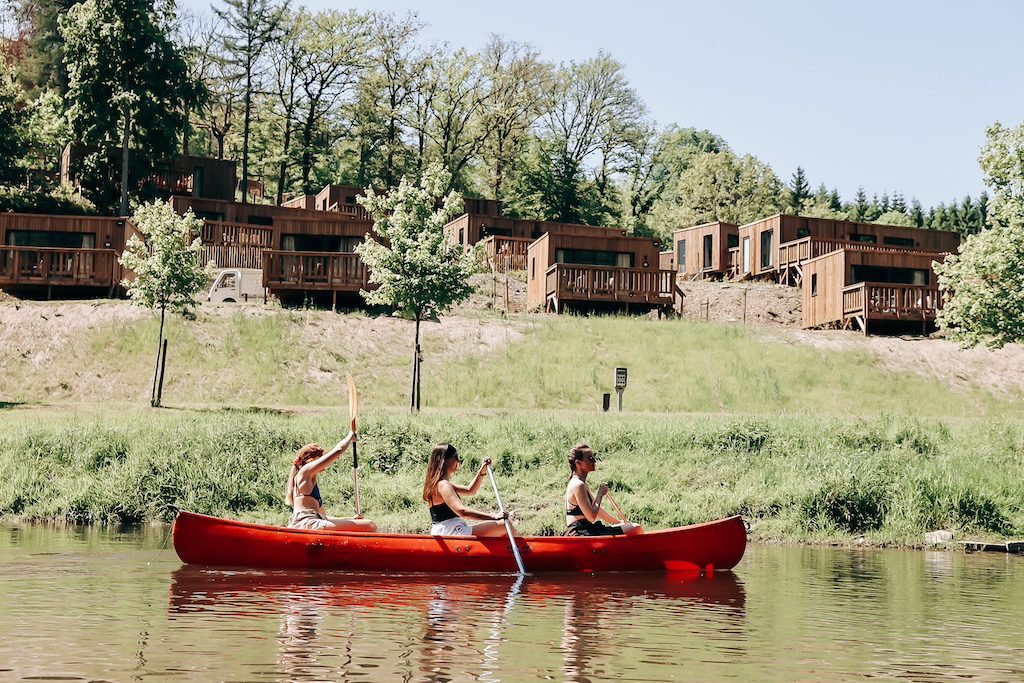
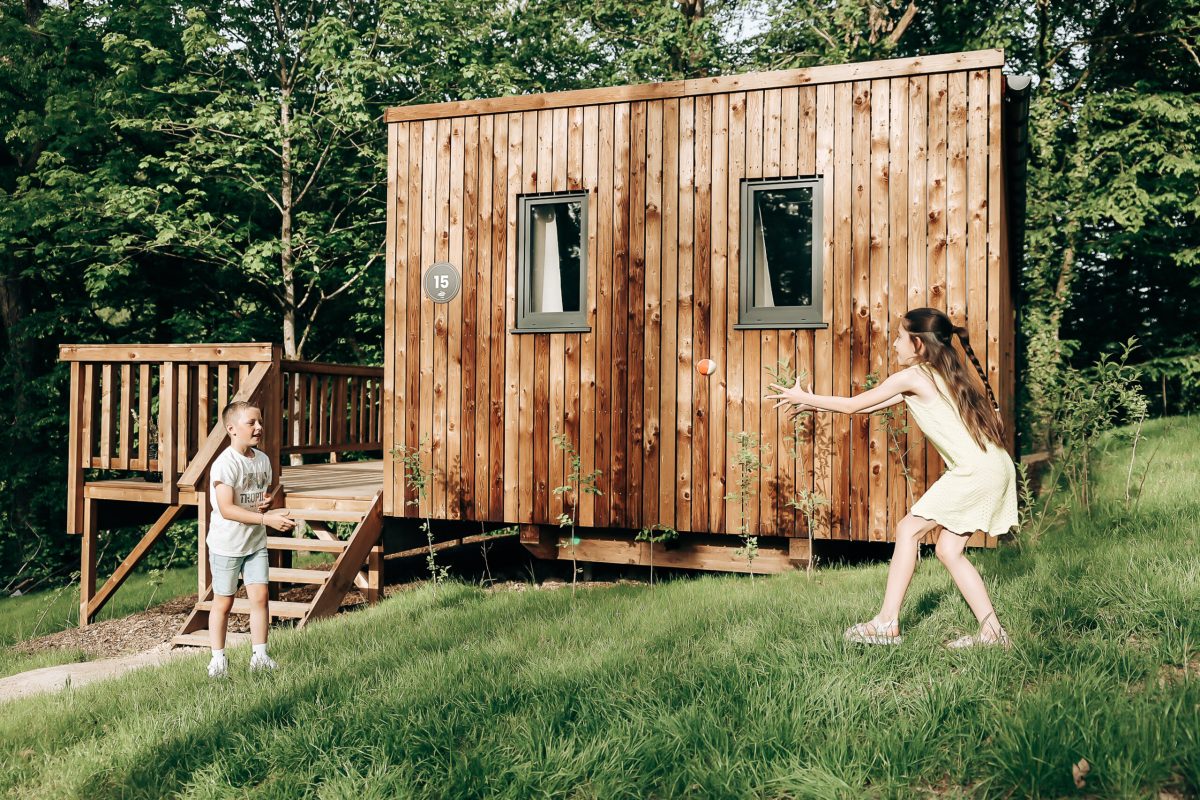
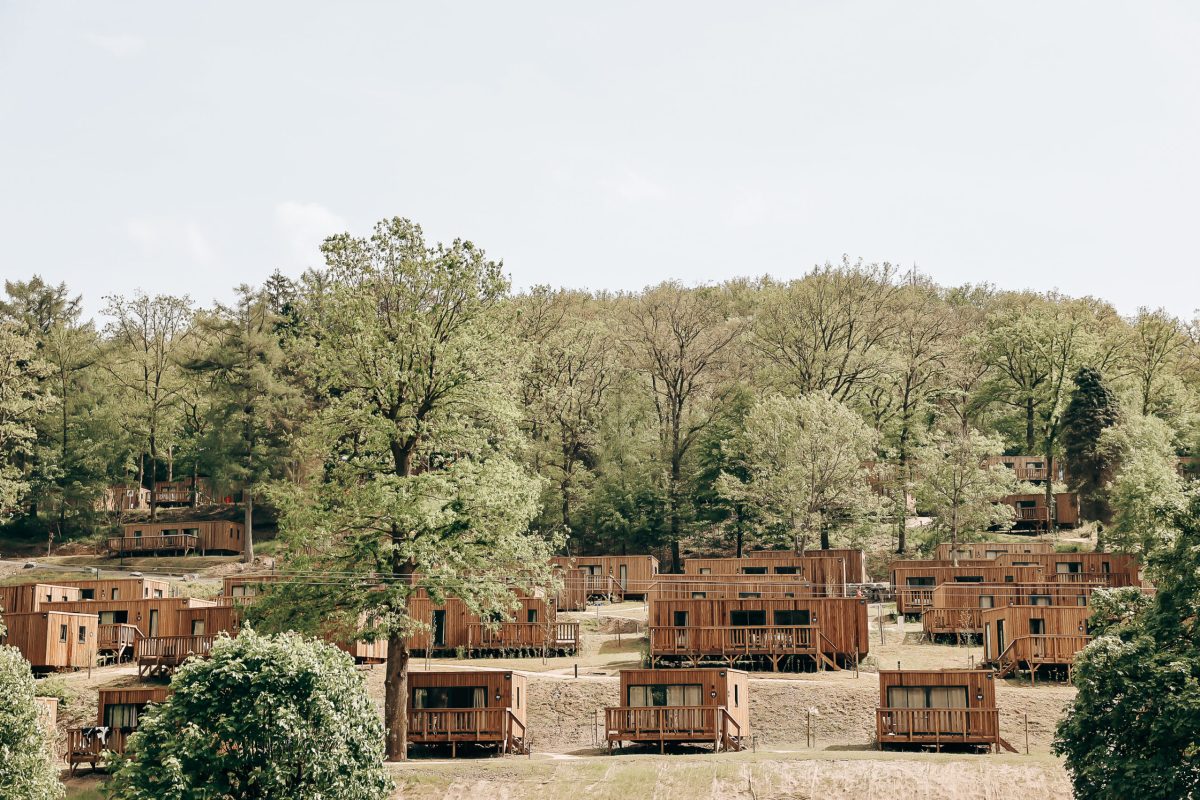
Walking around La Hameau de la Semois, the eco-conscious design becomes immediately apparent. The entire village consists of 100 lodges constructed almost entirely from wood, sourced directly from the surrounding Ardennes forests. More unusually, every single lodge is designed to be completely removable, meaning the site could eventually return to nature without permanent scars.
The commitment extends into the details that most visitors would never think about. There's no air conditioning here. Evening lighting is deliberately minimal to protect the nocturnal ecosystem. The flowers decorating the property come from a nearby florist rather than being stripped from the countryside. Kitchen staff source ingredients from local, ethical producers, prioritizing free-range poultry and regional products.
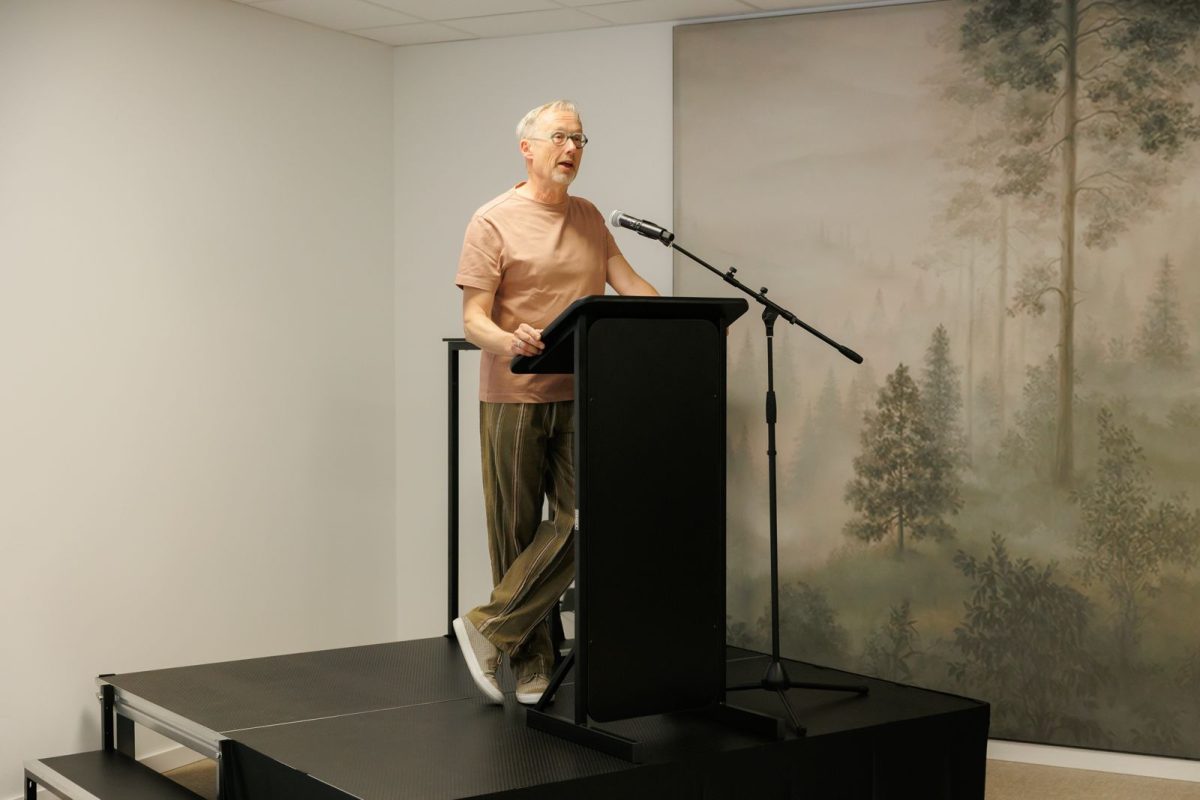
During the official inauguration in June, local officials praised the project specifically for standing out among competing proposals on environmental grounds. For a region trying to balance tourism growth with landscape preservation, this approach represents a refreshing alternative.
The Real Innovation Lies Below the Surface
But the eco-credentials, while impressive, aren't actually what makes this place genuinely different. The bolder statement is Floreal Holidays' business model: making sure that roughly 20 percent of Belgians who cannot afford even a single week away annually finally can.
That statistic shocked even the organization's leadership. In a wealthy European country, one in five residents cannot escape for a proper break. So when Werner Van Heetvelde, president of Floreal Holidays, talks about the "continuing importance of social tourism initiatives," he's not speaking abstractly. He's addressing a real gap that modern society has largely ignored.
The pricing reflects this mission. Two-night stays for two people begin at 148 euros. Motorhome pitches cost from 19 euros per night. The site also offers spacious pitches for recreational vehicles and a dedicated meadow for tents beside the Semois River, complete with water and electrical connections. Different levels of lodge accommodation, from simple rooms to premium units with sun loungers and welcome amenities, ensure options exist for various budgets.
Food and Drink With Soul
Brasserie Halliru, the on-site restaurant, exemplifies the same philosophy of local sourcing that governs the entire property. The culinary consultant trained in several acclaimed Belgian and French establishments, but the menu stays grounded in regional classics: burgers, meatballs, pasta, and straightforward Belgian and French dishes.
The bar stocks Arduenna, an organic gin produced just 20 kilometers away, alongside Ardennes Spritz and Rochehaut beer brewed less than 10 kilometers from the property. These aren't random choices. Everything connects back to supporting the immediate regional economy.
What to Actually Do Out Here
The Semois River and surrounding landscape offer exploration without requiring mountaineering experience. A gentle 1.5-kilometer walk along the riverbank leads directly to Bouillon, Belgium's most visited historic site. The town's castle, perched on three rocky peaks overlooking the valley, has dominated the landscape for over a thousand years and draws around 135,000 visitors annually.
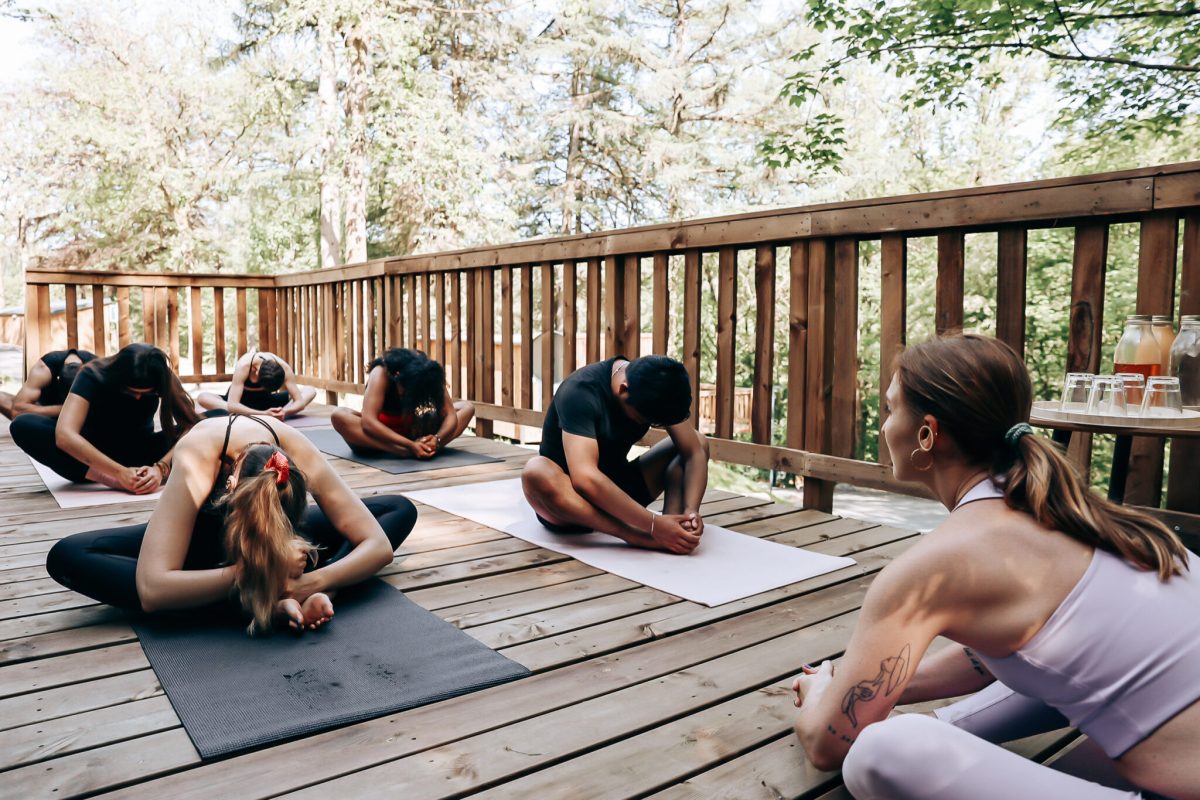
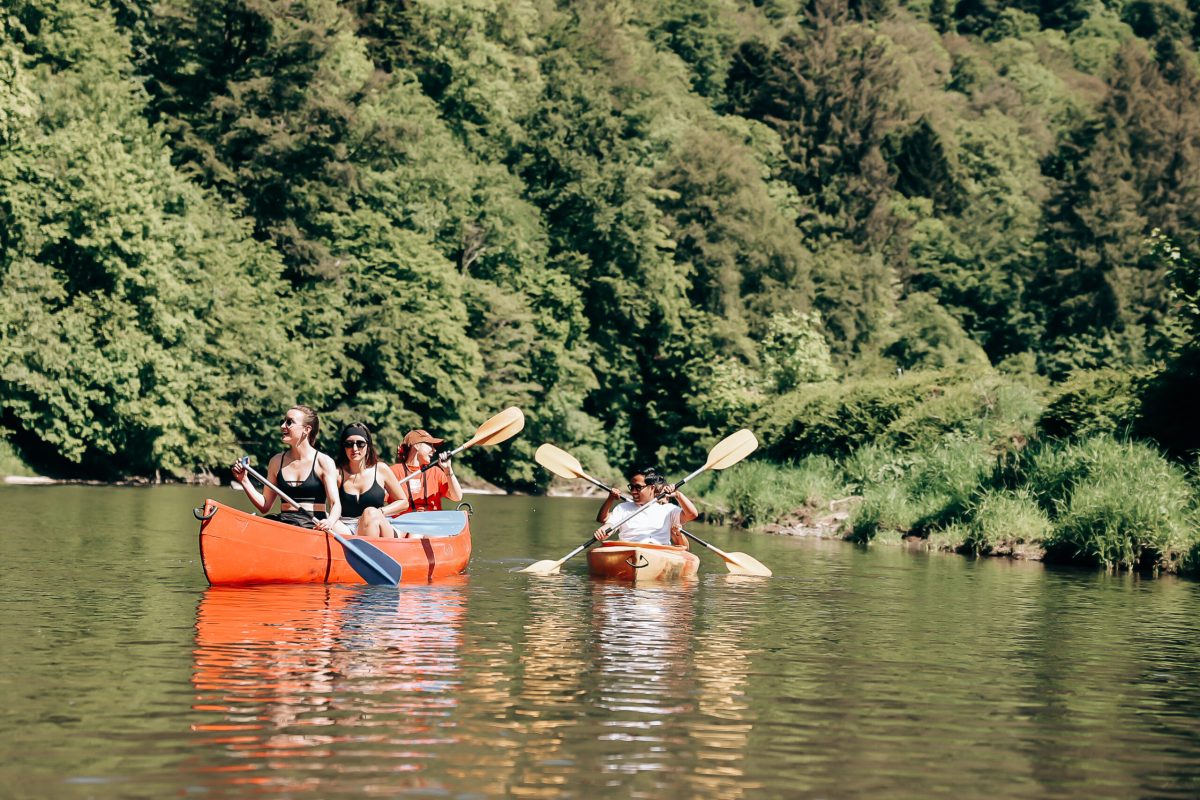
Beyond the fortress, Bouillon rewards wandering. A Sunday morning market operates year-round. Kayaking on the Semois appeals to paddlers of all levels. Hiking trails through the countryside offer varying difficulty. The area works especially well for travelers who want outdoor access without the intensity of serious alpine trekking.
La Hameau de la Semois opens a conversation about what responsible tourism could look like at scale. It's not perfect, and no single destination solves systemic inequality. But it refuses the assumption that profitable tourism requires either destroying the environment or pricing out ordinary people. In an industry struggling with mounting pressures around sustainability and equity, that stubborn refusal to accept false choices feels genuinely novel.