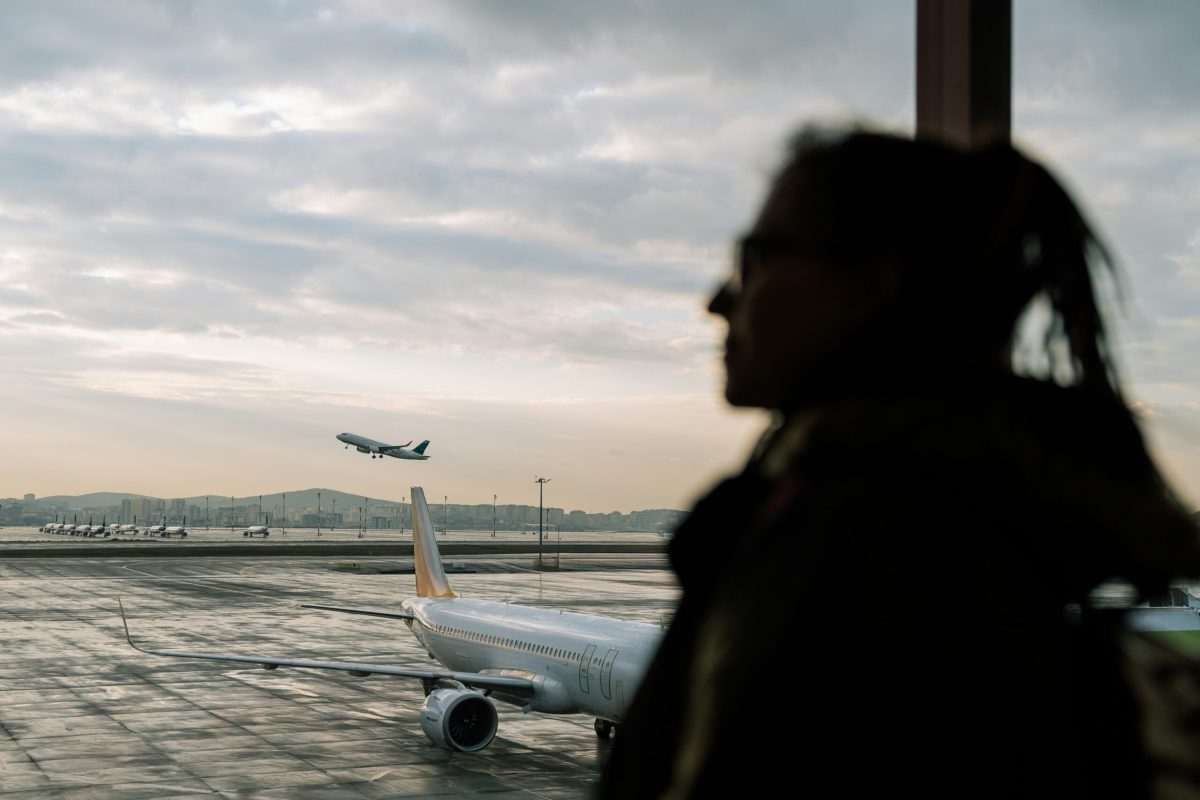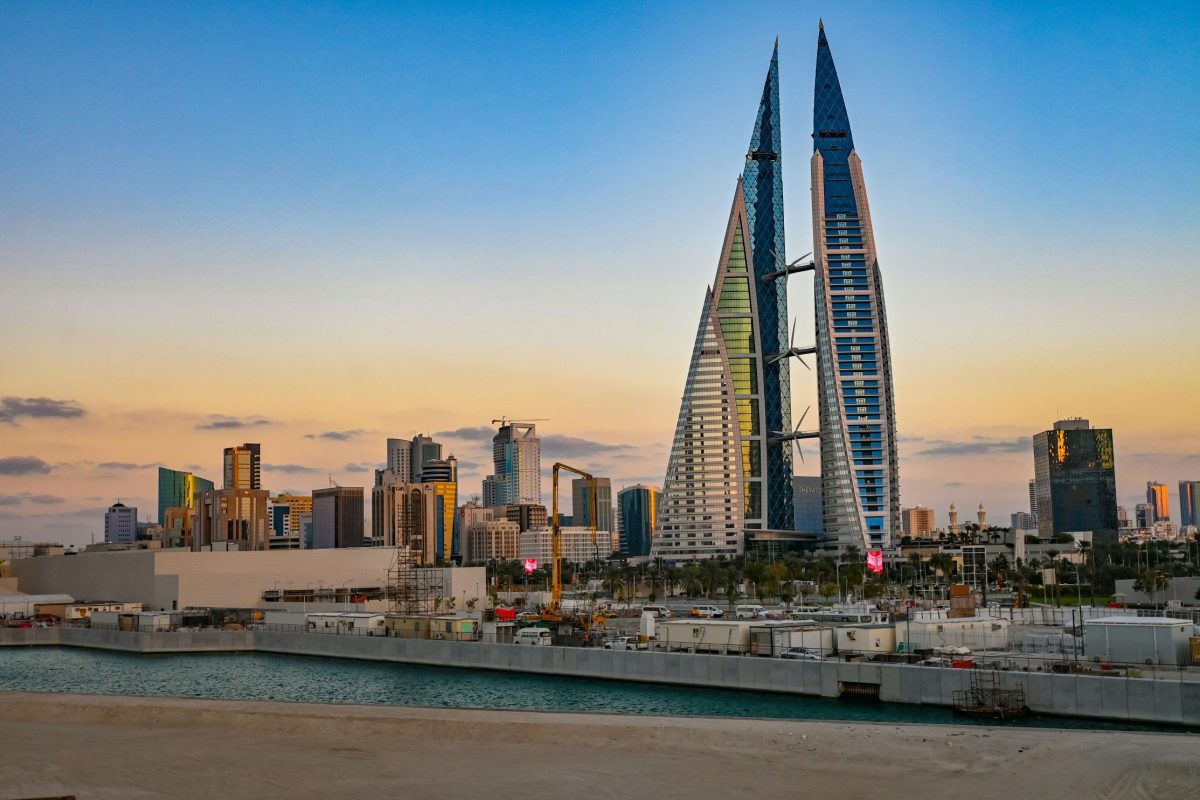
Bahrain's skies are coming back to life, but the process feels more like a slow burn than a light switch. On April 8, after a stunning 40-day closure that left the airport a ghost terminal, authorities gave the green light for operations to resume. The catch? Everything is moving in measured steps, with safety and stability taking priority over speed.
The airspace shutdown hit hard. Triggered by escalating regional conflict involving Iranian missiles and drone strikes on Bahraini territory, the closures rippled across the entire Gulf. At least two people died in attacks on residential areas in Manama, cementing just how serious the situation became. For anyone with a ticket booked to Bahrain, the past month-plus has been an exercise in frustration and uncertainty.
Why the Restart Is Taking So Long
Gulf Air, the national carrier, brought its first aircraft back on April 8. Since then, it's been methodically restoring routes rather than flipping a switch back to normal operations. High-demand corridors are returning first: London Heathrow, Riyadh, Jeddah, Dubai, plus key South Asian hubs like Dhaka, Lahore, and Islamabad. Istanbul and Nairobi are also on the roster now.
But here's the reality check. The Civil Aviation Affairs team is deliberately keeping schedules thin. Airport crews are juggling aircraft repositioning, crew rest requirements, and gate availability with the precision of a chess master. Every wave of returning flights requires careful orchestration to avoid cascading delays across the network. One flight hiccup can trigger a domino effect, as happened when a Gulf Air Cairo-Dammam service got cancelled recently.
The airline is still offering full refunds for tickets bought through April 15, a sign that uncertainty lingers. Flight frequencies will climb gradually, assuming regional tensions stay stable. That's a big assumption.
The Saudi Arabia Workaround
During the shutdown, Gulf Air didn't go dark completely. The airline pivoted operations to King Fahd International Airport in Dammam, Saudi Arabia, maintaining skeleton service to Athens, Cairo, Casablanca, Mumbai, Chennai, Kochi, Bangkok, and Manila. That parallel operation is still running, providing a backup route for passengers and cargo.
But leaning on Dammam comes with its own headaches. The King Fahd Causeway, the main highway connecting Bahrain and Saudi Arabia, has already experienced temporary closures. The UK Foreign Office warns of potential future disruptions along this critical link. Travelers relying on the Dammam workaround should factor in extra travel time and check road conditions before heading to the airport.
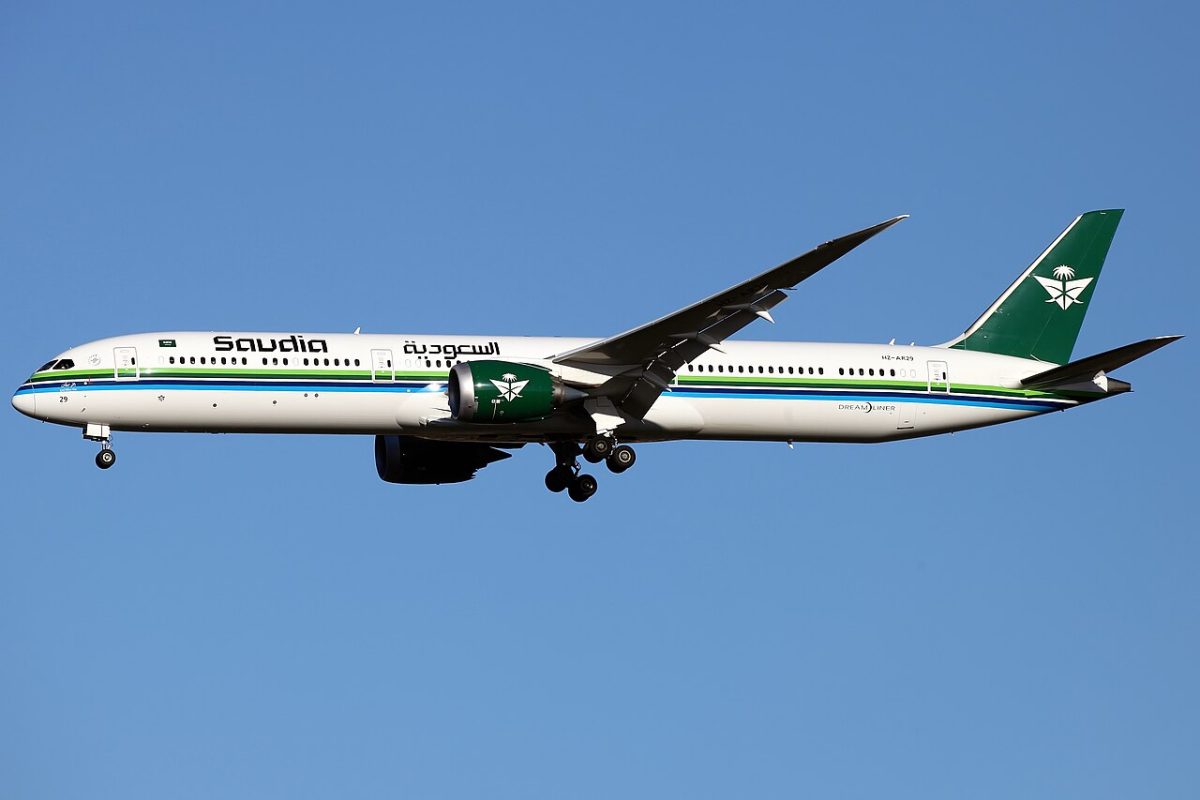
This kind of instability is exactly why Middle Eastern carriers are navigating enormous challenges right now. The region's flight infrastructure remains hostage to political tensions that can shift overnight.
What This Means for Your Travel Plans
If you're thinking about flying in or out of Bahrain soon, contact your airline directly before you head to the airport. Schedules are still subject to last-minute changes. Expect potential delays, cancellations, and route modifications. Airlines are being transparent about the uncertainty, which is appreciated, but it also means you need flexibility in your itinerary.
Booking remains open, and passengers are returning, but caution is the operative word. The recovery is uneven, the timeline unclear. Similar turbulence is affecting other regional airlines, so this isn't just a Bahrain problem.
Khalid Taqi, head of the Gulf Air Group, expressed optimism about "progressively restoring its full network," but the speed of that restoration depends entirely on whether the regional ceasefire holds. Even fragile peace is better than the lockdown of recent weeks, but travelers should understand that we're in a transition period where normal operations haven't fully returned.
The Gulf is reopening, but slowly. Think of it as a city coming back from a blackout: lights are flickering on, but the power grid is still stabilizing. Patience, flexibility, and constant communication with your airline are your best tools right now. Bahrain International Airport will get back to full speed eventually, but for now, expect the journey to feel a bit uncertain.