When Athens shuttered its international airport in 2001, the tarmac and terminals just sat there, slowly degrading. Two decades later, Greek developer LAMDA Development looked at all that wasted coastal real estate and saw an opportunity to build something that modern cities desperately need: a place where you can actually live without a car.
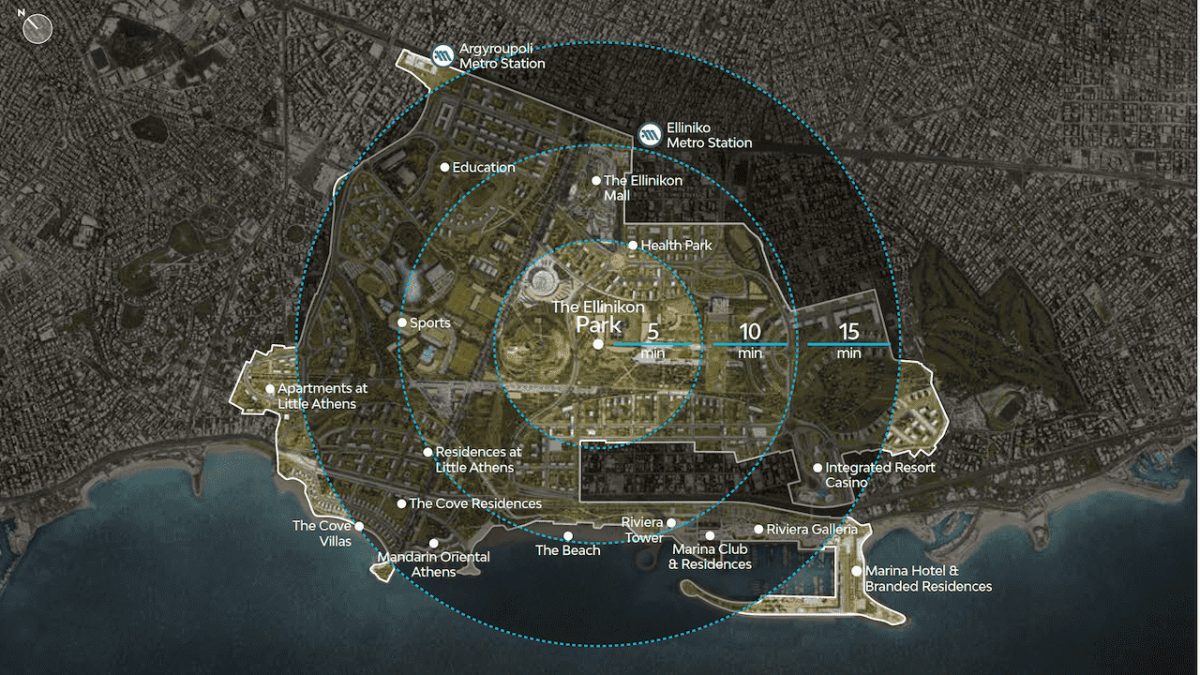
The Ellinikon is taking shape along 3.5 kilometres of the Athenian Riviera, transforming what had become an environmental wasteland into what's being designed as a "15-minute city." The concept is straightforward but increasingly rare in sprawling Mediterranean communities. Schools, shops, offices, restaurants, hospitals, parks, and beaches should all sit within a quick walk or bike ride. No 45-minute commute. No traffic nightmare just to grab coffee.
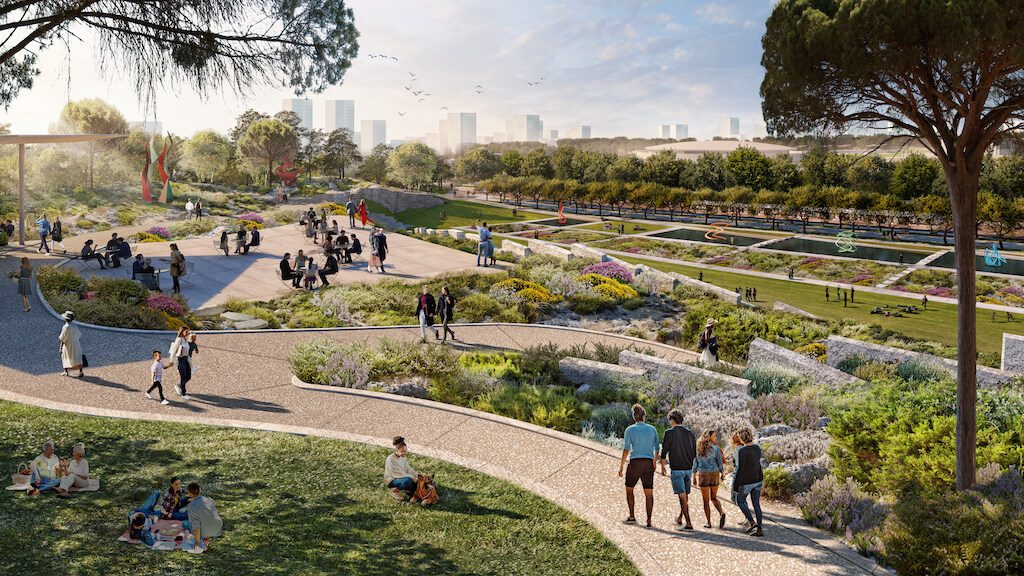
Construction began its serious phase after initial plans were drawn in 2012, with the first completed project arriving in 2023 when a care centre for people with disabilities opened. The real build-out is happening now, with multiple residential towers, retail districts, hotels, and recreational spaces phased in over coming years. At its centre lies The Ellinikon Park, a colossal 2 million square metre green space that will become Europe's largest coastal park and Athens' biggest lung of green.
How a Dead Airport Becomes a Smart City
The ambition here goes beyond just slapping apartments on abandoned runways. The entire district is being wired as a "smart city," where technology quietly handles the grunt work of urban life. Underground power grids feed renewable energy to buildings. Lighting systems sense activity and adjust themselves to save power while keeping streets safe. Water management systems treat wastewater and recycle it for irrigation, turning the park's landscaping into a closed loop. A central app lets residents access services, book shared bikes, and stay connected without needing to navigate separate websites for everything.
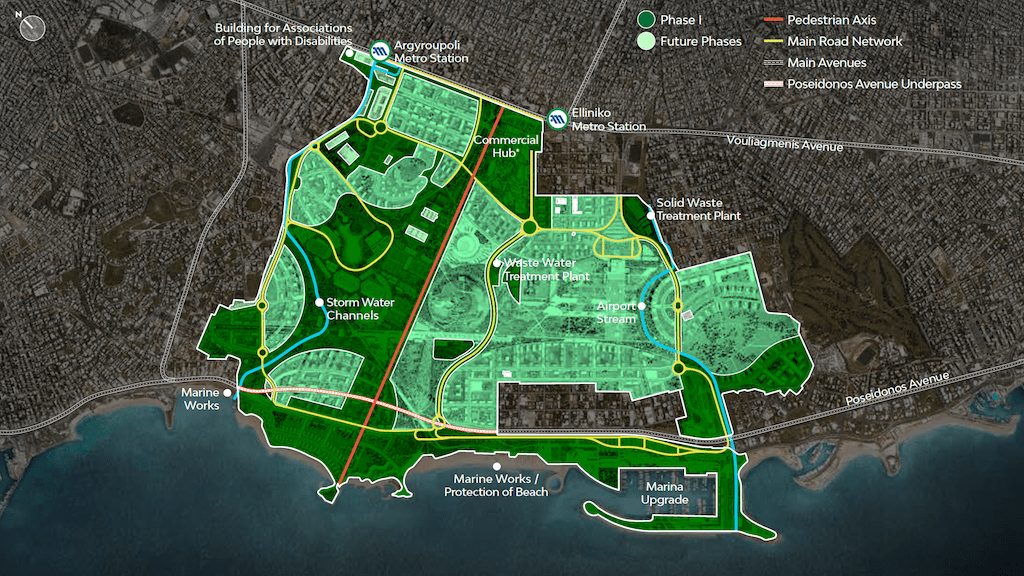
Mobility is engineered to discourage car dependence. Thousands of shared e-bikes connect the different neighbourhoods. Sensors embedded in infrastructure and solar panels feeding into underground networks handle the city's circulatory system invisibly. Organic waste gets composted on-site rather than trucked away. It reads like a blueprint written by someone who actually walked through a European city and noticed how little sense most of it makes.
Waterfront Living Gets a Rethink
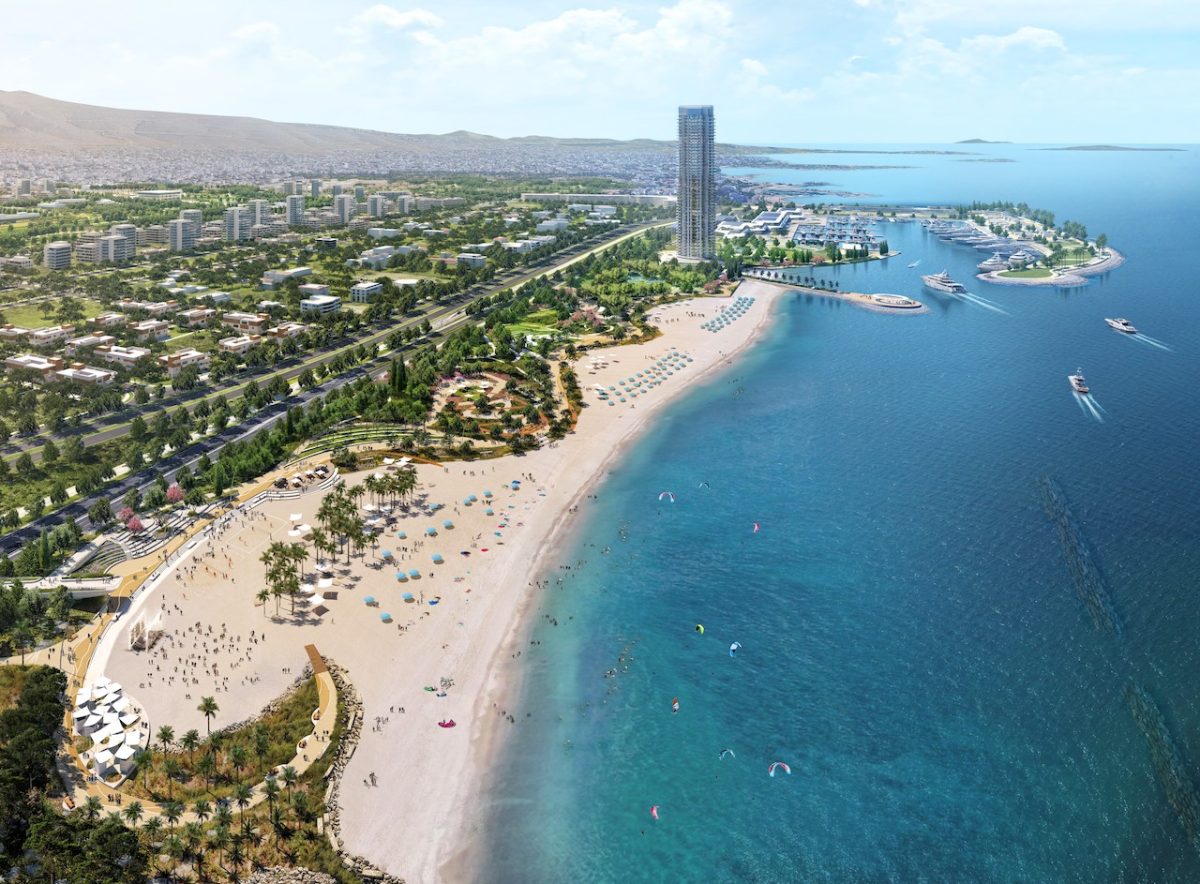
The Riviera forms The Ellinikon's edge, featuring a continuous public beach stretching 1 kilometre, walking paths, gardens, and open spaces where anyone can linger without spending money. This waterfront isn't a gated resort corridor; it's meant to connect locals with visitors, residents with the sea.
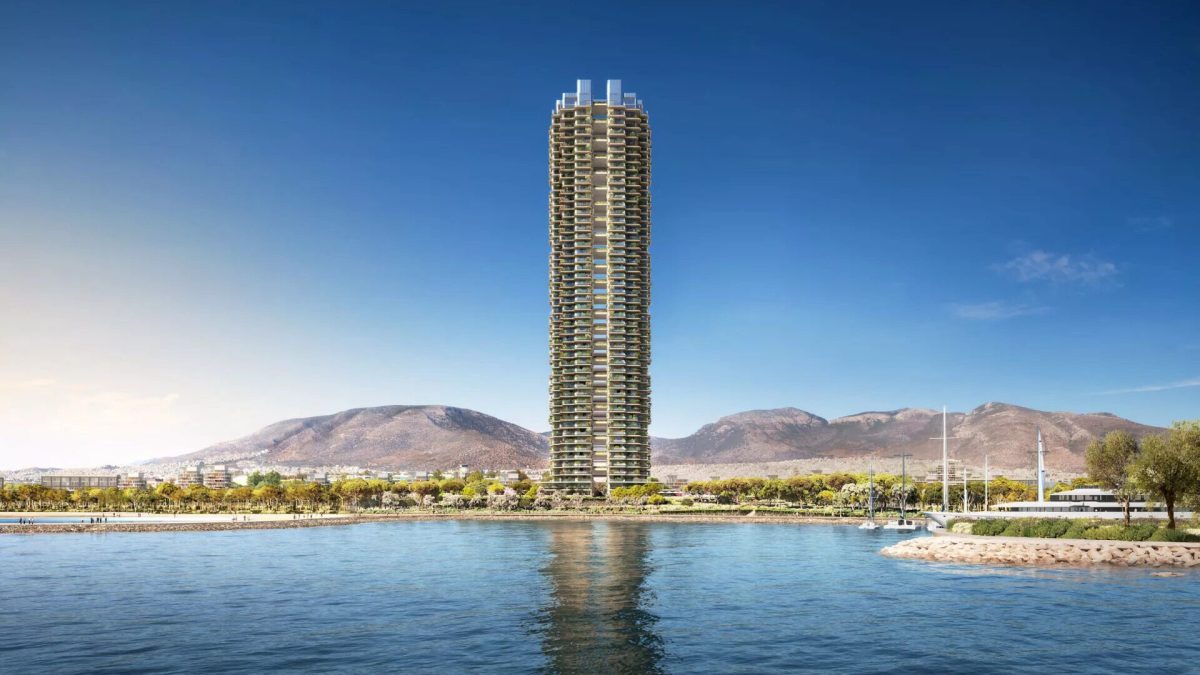
Residential options span the full income spectrum. The Riviera Tower, a 200-metre needle of a building, will rank among Greece's tallest structures, perched where it catches every Mediterranean breeze. The Cove Villas and Cove Residences offer something smaller and more intimate, with sand-adjacent living. Little Athens is an entire neighbourhood of over 1,000 homes clustered near the park and pedestrian zones, supported by everyday shops and services rather than luxury boutiques. Additional complexes like Park Rise, Pavilion Terraces, Promenade Heights, Atrium Gardens, Trinity Gardens, and Sunset Groves mix apartments with shared green courtyards and ground-floor retail.
Shopping, Dining, and Culture
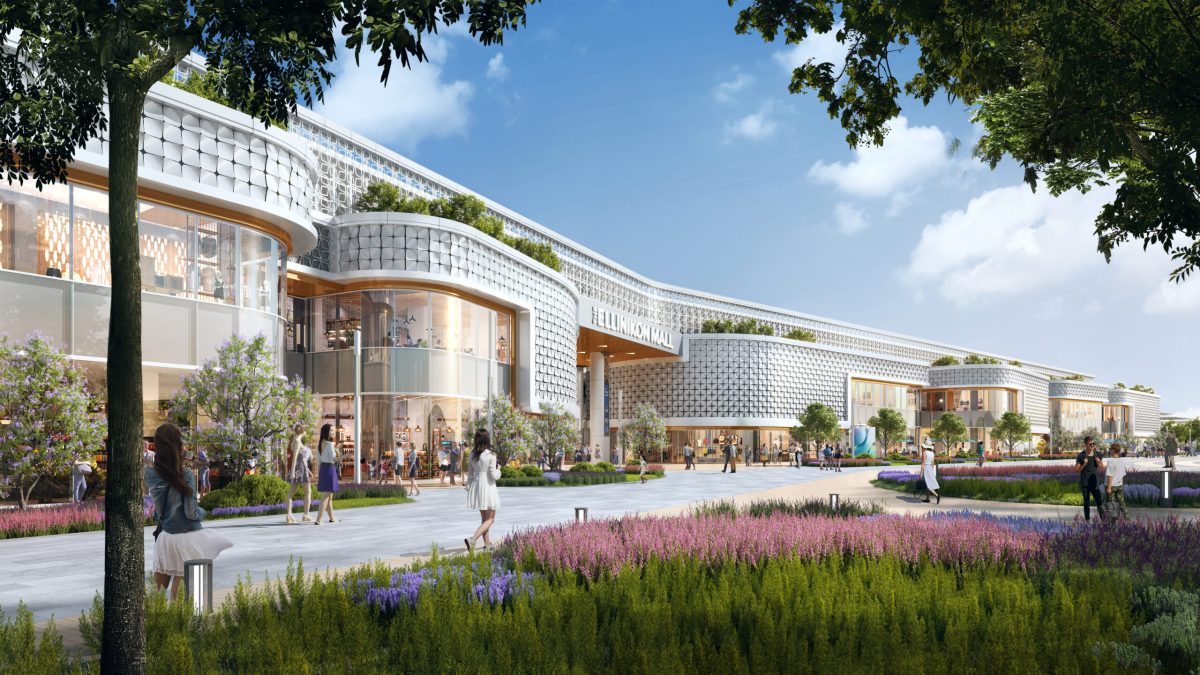
The Ellinikon Mall, designed by architects Aedas, is being built as Greece's largest shopping centre. But it's not designed as an enclosed, disconnected bubble like many sprawling malls. Instead, it bridges indoor and outdoor space, hosting public events and street-level activity. The Riviera Galleria, designed by Kengo Kuma, takes a similar approach along the waterfront with shops, restaurants, and plazas meant for gathering rather than just transaction.
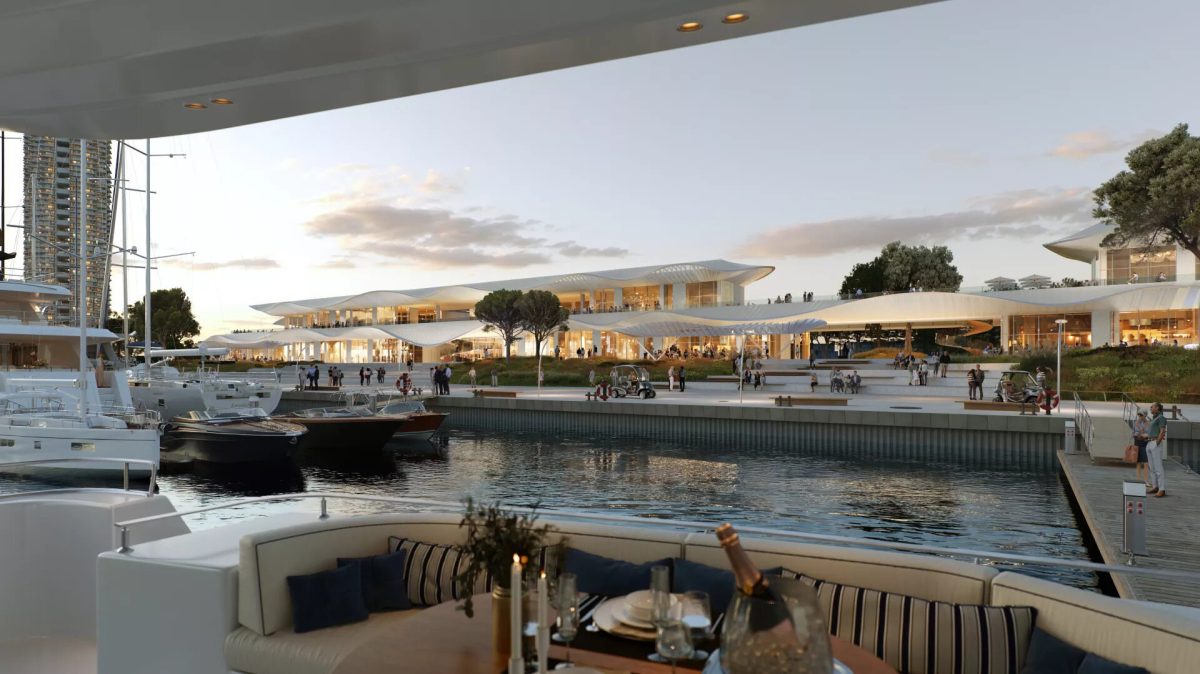
For hospitality, a Mandarin Oriental Athens hotel and branded residences will anchor the waterfront, while a Marina Hotel and Residences complex will sit near the yacht basin with direct access to restaurants and leisure spaces. Like everything else here, the idea is walkability and connection.
Schools, Health, and Recreation
The development includes primary and secondary schools serving both Greek and international students, plus higher education facilities expecting several thousand students annually. The Ellinikon Health Park will provide medical services focused on treatment, recovery, and prevention, positioned for easy access from major transit routes.
Sports enthusiasts get a dedicated Sports Park within the massive central green space, with tennis courts, football pitches, running tracks, and swimming pools for both recreational use and professional training. The Experience Park, already open, covers 75,000 square metres and incorporates the historic airport structures, including playgrounds and fitness areas.
For a city known for congestion and car culture, The Ellinikon represents something philosophically different. It won't solve Athens' traffic problems overnight, but it shows what becomes possible when you start fresh on abandoned land without inheriting decades of automobile-first planning. European cities are increasingly competing on sustainability credentials, and this development puts serious infrastructure behind the concept rather than just marketing language. If The Ellinikon delivers on its promises, it could become a template that other European cities nervously study, wondering why their own planning departments couldn't think this way.