Here's a thought that probably never crossed your mind while riding a train: all those track kilometers stretching across the countryside could be generating electricity. A Swiss startup called Sun-Ways decided to stop thinking about it and start building it.
Since 2023, the company has been testing whether railways could double as solar farms. The concept seems almost too obvious once you hear it. Millions of kilometers of train lines crisscross the planet, sitting in open sunlight day after day. Why not outfit them with solar panels? Baptiste Danichert, one of Sun-Ways' co-founders, put it bluntly in 2023: "There are over a million kilometres of railway lines in the world. We believe that 50 per cent of the world's railways could be equipped with our system." That ambition doesn't come from nowhere.
The track record speaks for itself
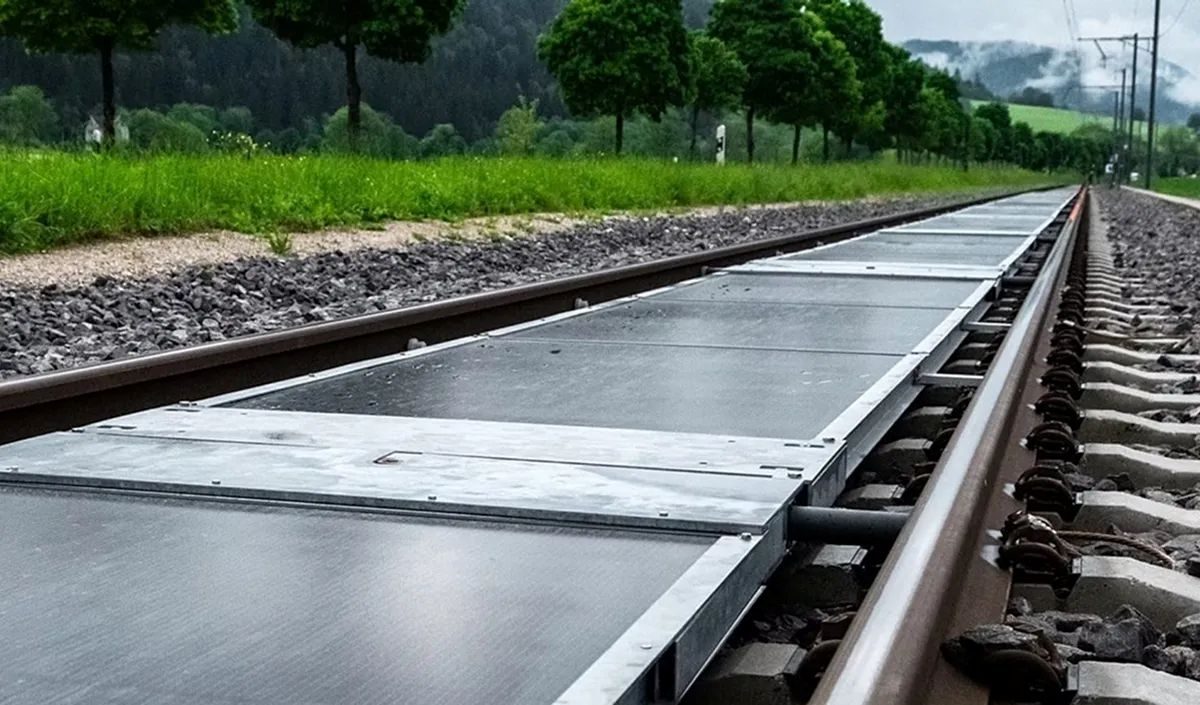
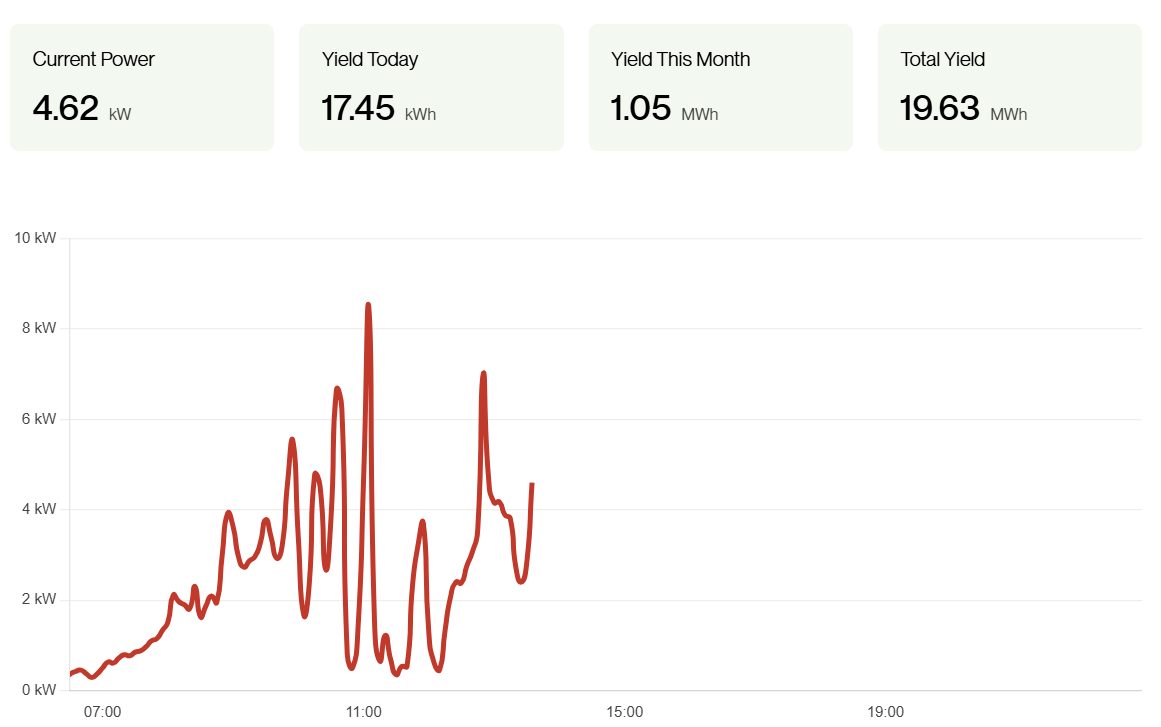
The company launched its first real-world test in 2025 in the small Swiss village of Bütt, in the canton of Neuchâtel. They installed 48 solar panels across 100 meters of actual operating train track, creating an 18 kilowatt-peak capacity system. The results stunned even the skeptics. Over the course of a year, the installation produced 16,000 kilowatt-hours of electricity, roughly matching the annual power consumption of an entire British household powered entirely by electric appliances.
That figure came despite a 10 percent efficiency loss caused by the panels lying flat instead of tilted at an angle. Railway infrastructure experts had raised concerns about whether the system would hold up to the vibrations and weight of passing trains. They worried about reflections blinding drivers and panels getting covered in dirt. Sun-Ways addressed each issue methodically. The panels proved tough enough to withstand the punishment. Anti-reflection coatings eliminated glare problems. Brushes attached to the rear of passing trains kept the surfaces clean automatically. Built-in sensors tracked everything, and the system performed exactly as designed.
The early success has triggered expansion plans across Europe. Sun-Ways is already working with Italian railway officials at Rete Ferroviaria Italiana to launch a pilot project within months. The company has also secured government approval to test the system in South Korea. Europe's most daring travel projects are attracting serious investment, and this one checks multiple boxes: clean energy, innovative infrastructure, and a scalable solution to climate change.
What happens when the sun stops shining on the tracks
For now, the Swiss pilot feeds electricity directly into the regional power grid. But Sun-Ways is already planning the next phase. Future installations will inject power straight into railway substations and traction lines, essentially turning every train route into a hybrid power plant. That could fundamentally reshape how railways operate across Europe.
The timing matters. Europe is racing toward net-zero emissions, and governments are hunting for renewable energy solutions that don't require vast swaths of new land. Solar farms compete with agricultural space. Wind turbines face environmental objections. But railways? They already exist. They're already disturbing the landscape. Why not put them to work generating clean power?
Italy, which has been grappling with its own overtourism challenges in recent years, now has a chance to pioneer something genuinely transformative in sustainable travel infrastructure. If the Italian pilot works as well as the Swiss one, the country could become a model for railway systems worldwide. Travelers heading to Italy in 2026 and beyond might be riding trains powered entirely by the sun beating down on the very tracks beneath them.
Sun-Ways initially designed the Neuchâtel project as a three-year experiment, but they're already moving toward expansion. With government approval secured in multiple countries and active partnerships forming, the real test isn't whether solar railways work. It's how fast they can scale them. The infrastructure is there. The technology works. Now it's a question of will.