Europe's overtourism problem just got a lot more complicated. Four of America's biggest airlines are simultaneously launching a fleet of nonstop routes to Europe this spring, giving travelers the kind of easy access that previously required a connection and a layover. By May, you'll be able to step off a plane in Rome, Split, Nice, or Budapest without ever touching down in Frankfurt or Paris.
This expansion is substantial. Delta is leading the charge with the most new routes, while United, American, and Alaska Airlines are all getting in on the action. Over the next few months, expect around 35 to 40 new flights per week across eleven routes, each carrying roughly 250 passengers. That's approximately 10,000 additional weekly seats heading to Europe, which translates to roughly 200,000 American visitors over the summer peak season alone.
Where You Can Fly Direct Starting This Spring
Delta will launch service from Boston to Madrid (May 6) and Nice (May 16), while Seattle passengers get direct access to Rome (May 6) and Barcelona (May 7). From New York's JFK, the carrier is adding routes to Sardinia, Porto, and Malta throughout May and June. These flights use either the fuel-efficient Airbus A330-900neo or Boeing 767-300ER aircraft.
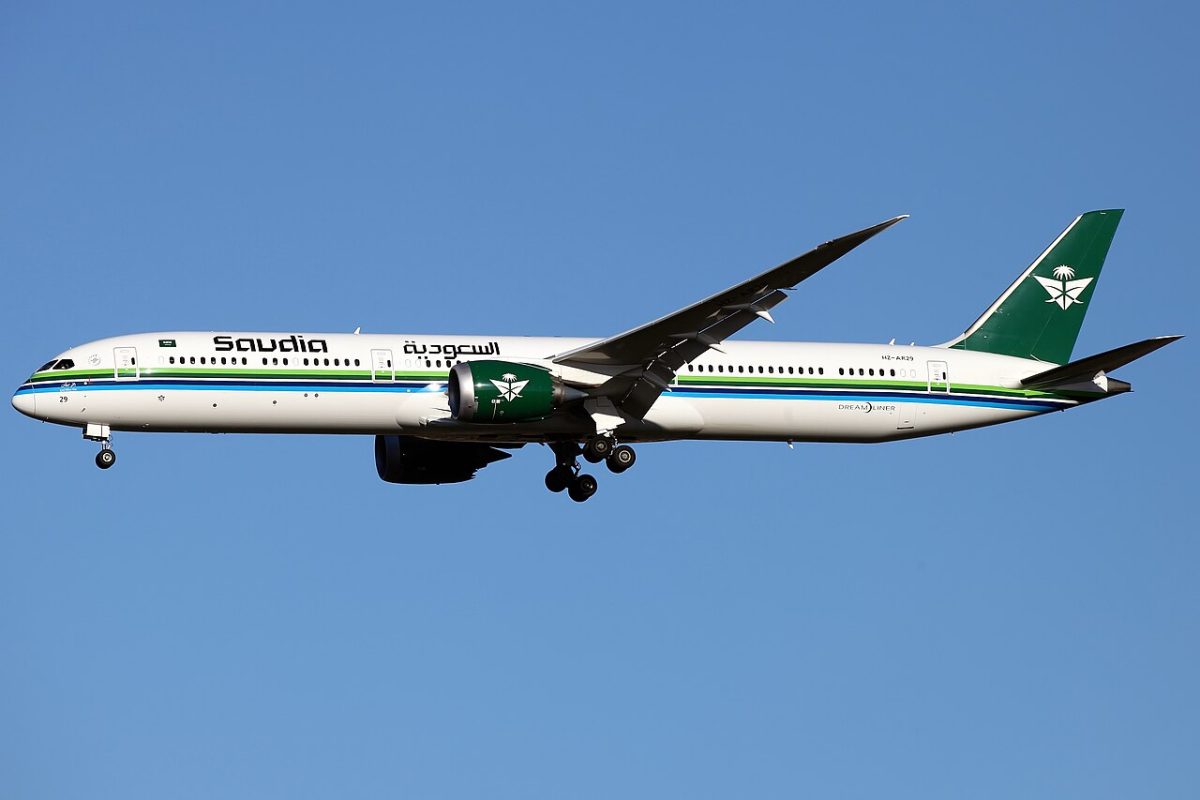
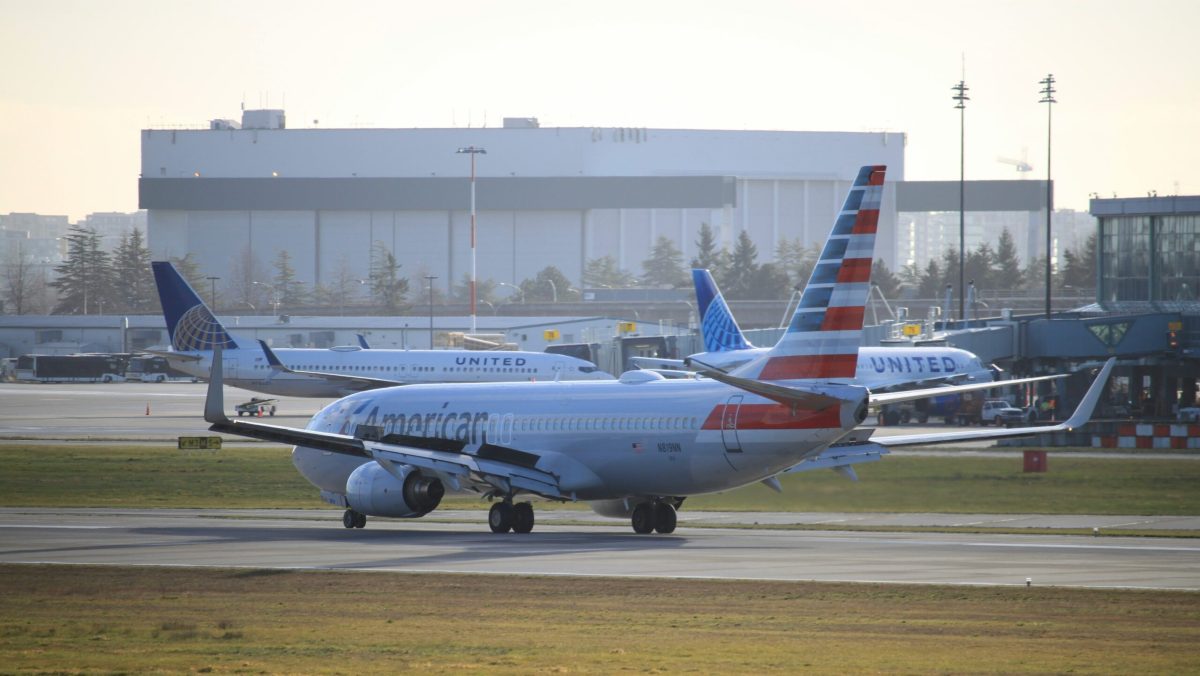
American Airlines is jumping in with Miami to Milan service starting March 29, plus flights from Philadelphia to Budapest and Dallas-Fort Worth to Athens, both launching May 21. Alaska Airlines, making its transatlantic debut, offers Seattle to Rome service beginning April 28 on a Boeing 787 Dreamliner. United rounds out the expansion with Newark routes to both Split and Bari, arriving in late April and early May. As airlines continue reshuffling their network strategies, these nonstop connections represent a major shift in how Americans access Europe.
No More Lost Days to Layovers
The real advantage here is simple but powerful: time. Most of these routes clock in at 7 to 9 hours of flight time, which means you land in Europe relatively fresh instead of bleary from a multi-leg journey. Gone is the frustration of chasing connections through packed European hubs or killing eight hours in an airport between flights. You board in Newark or Seattle, sleep or watch movies, and wake up where you actually wanted to be.
That efficiency unlocks entire regions that previously felt like afterthoughts. Sardinia's hidden coves become weekend-trip material for New Yorkers. The vineyards of the Douro Valley near Porto are suddenly accessible without losing a full day to travel logistics. Budapest's thermal baths and ruin bars are a direct flight from Philadelphia. Even Split, the Dalmatian Coast gem that rarely appeared in nonstop US route maps, is now reachable from Newark.
The Cities Already Bracing for Impact
This is where the situation gets thorny. Barcelona and Rome are already household names for overtourism concerns. Venice enforces day-tripper fees. Some Mediterranean destinations have implemented short-term rental restrictions to manage visitor volume. European policymakers have begun imposing stricter rules on where tourists can go, yet these new flight routes will add hundreds of thousands of visitors who can now reach these places with unprecedented ease.
The cultural implications are real. When you can book a nonstop flight to Nice for $400 instead of connecting through Paris, the mental calculus shifts. A weekend trip becomes feasible. A last-minute escape feels possible. Malta, Sardinia, Porto, and Split aren't famous household names like Rome, but demand will inevitably spike once direct flights make them convenient options for American travelers.
What This Means for Your Summer Travel Plans
If you've been eyeing Europe's less-crowded destinations, this is your window. Once these routes become established and awareness spreads, booking seats at reasonable prices will become harder. Sardinia might transform from a relatively unknown destination to a summer must-see within a year. Porto's rioja wineries could feel the crush of organized tour groups by 2027.
For travelers planning ahead, the advantage is obvious. You now have direct access to eleven destinations from major US gateways without the hassle of connections. The flight time is forgiving. The capacity is there. The question isn't whether you can get to Europe anymore. It's which version of these increasingly crowded destinations you want to experience: the one this summer, or the one overwhelmed by crowds next year.