The numbers tell a sobering story. Jet fuel typically devours 25 to 30 percent of an airline's operating budget. Today, that figure has ballooned dramatically, forcing carriers to make hard choices about which routes survive the summer.
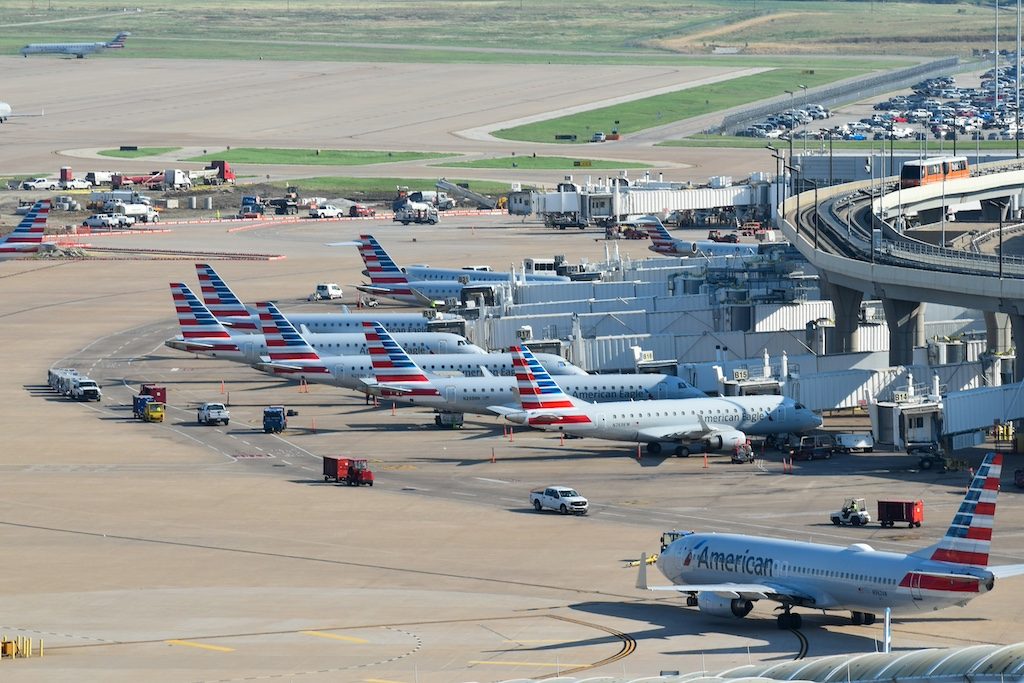
American Airlines just made its call. Starting in August, the carrier will suspend service on six routes through September: Los Angeles to Cleveland, Los Angeles to Columbus, Los Angeles to Pittsburgh, Los Angeles to Washington Dulles, Charlotte to Ontario, and Charlotte to Sacramento. This isn't permanent, the airline insists, but rather a temporary measure to navigate what has become a genuine financial crisis.

Why the West Coast got hit hardest
Los Angeles International Airport has become ground zero for flight cancellations. The culprit? Geography. The American West Coast operates without pipeline connections to the rest of the country, meaning jet fuel arrives by ship. Since Middle East tensions erupted, that supply route has become far more expensive and unpredictable. According to United Airlines CEO Scott Kirby, prices have spiked 40 percent compared to pre-conflict levels.
LAX wasn't the first to feel the squeeze. Norse Atlantic Airways already scrapped its Europe routes this spring, while Allegiant rerouted flights to Hollywood Burbank Airport to dodge the worst of the fuel surcharges.
The financial pressure mounting on airlines
The global airline industry faces a reckoning. Industry leaders predict profits will nosedive from $45 billion last year to $23 billion this year. Margins that once sat comfortably at 4.2 percent have compressed to just 2.0 percent. As IATA Director General Willie Walsh put it, the combination of Middle East disruptions and fuel inflation has fundamentally shifted the outlook for carriers worldwide.
Airlines are fighting back with every tool in their arsenal. Higher ticket prices, fuel surcharges, route reductions, and now schedule cuts represent a coordinated survival strategy. What travelers are seeing, though, is friction at exactly the moment they want to travel.
What this means if you're affected
If your booking lands on one of these six routes, American Airlines gives you two straightforward options: rebook on another flight or request a full refund. The airline has stressed that these suspensions are temporary and not permanent route eliminations. Still, that doesn't solve your immediate travel puzzle if you're relying on that specific flight.
Broader industry trends suggest this is just the opening chapter. Airlines are rerouting around the Middle East, and West Coast travelers especially should expect continued turbulence through the fall. Anyone booking to or from LAX should double-check flight status before finalizing plans and monitor your airline's messaging closely through August and September.
The fuel crisis won't disappear overnight. But understanding which routes face suspension, why Los Angeles got squeezed hardest, and how to respond if your flight disappears transforms a frustrating scenario into a manageable one.