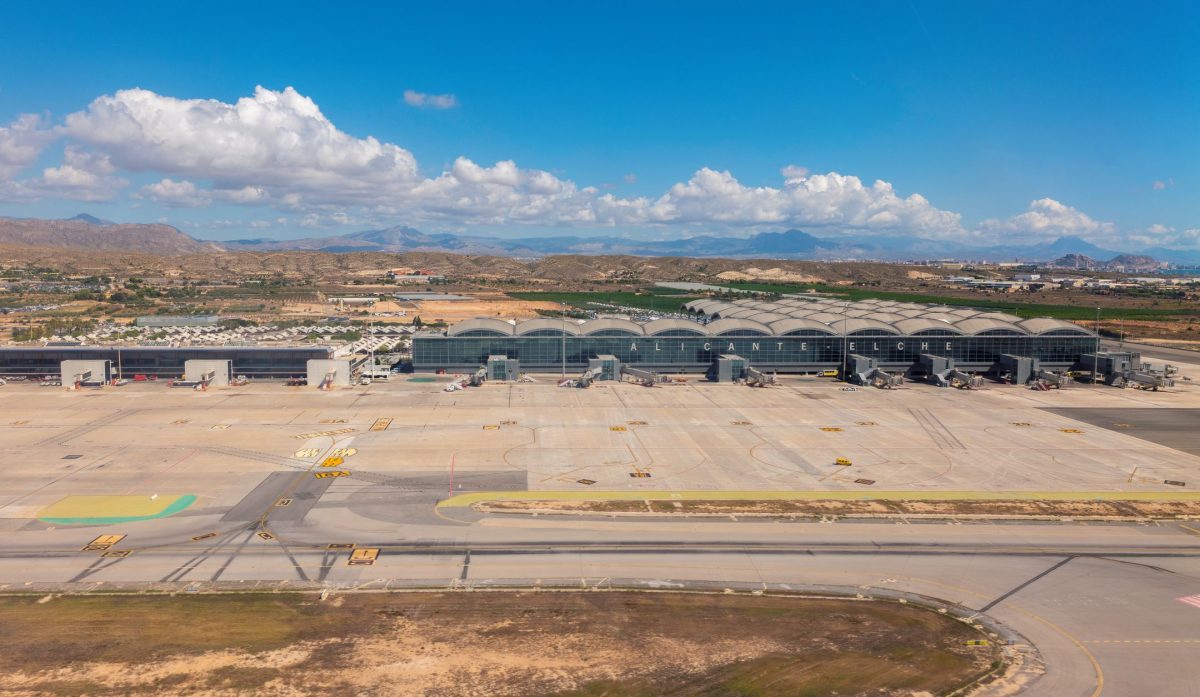
Alicante-Elche Miguel Hernández Airport is about to undergo its most ambitious transformation ever. Spanish airport operator Aena has unveiled plans for a €1.154 billion investment program that will reshape how passengers move through the terminal, clear customs, and head toward the beaches of the Costa Blanca. The stakes are high: this airport serves as the primary entry point for millions of holidaymakers each year, and right now, it's feeling the strain.
The modernization is set to roll out between 2027 and 2031, with €453 million allocated during that initial phase. The timing matters. Europe's airports are grappling with new border security protocols, particularly the EU's Entry-Exit System (EES), which tracks non-EU travellers entering and leaving the Schengen zone through biometric scanning. British travellers, now classified as third-country nationals post-Brexit, have faced unpredictable delays at congested terminals across the continent. Alicante knows this pain intimately: in March 2026 alone, over 536,000 British passengers passed through, making them one of the airport's largest visitor groups. Similar biometric systems are rolling out globally, but Alicante's expansion puts processing infrastructure front and center.
Why Now, Why This Much Money
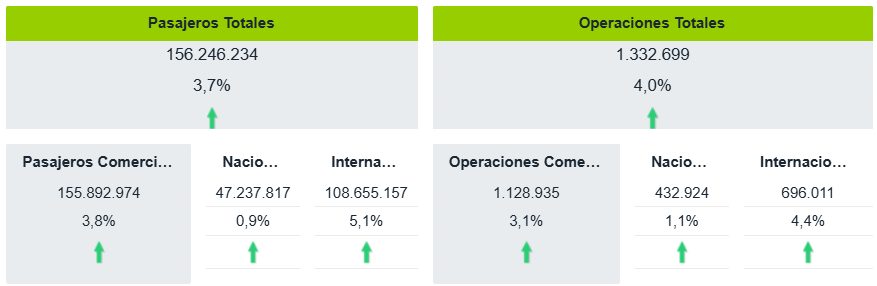
The numbers tell the story. Alicante-Elche handled 1.6 million travellers in a single month (March 2026), with annual traffic now approaching or exceeding 20 million passengers. Summer peaks push the terminal to its absolute limit, creating bottlenecks at check-in, security, baggage claim, and border control. Airlines like Ryanair have publicly flagged concerns about the airport's readiness during peak season, citing staffing shortages, insufficient kiosk capacity, and system vulnerability. The expansion addresses these specific pain points.
Beyond border infrastructure, the plan includes practical upgrades that will ripple through your entire arrival and departure experience. More aircraft gates mean fewer delays on the tarmac while ground crews struggle to find boarding bridges. Expanded parking facilities take the stress out of dropping off travelling companions. New retail space, upgraded VIP lounges, and improved passenger circulation routes make the terminal feel less like a cattle pen and more like a functioning hub.
From Seasonal Playground to Year-Round Hub
For decades, Alicante-Elche operated as a quintessential seasonal airport, surging with summer tourists fleeing British and Northern European winters, then deflating come October. This expansion signals a shift toward a more balanced, year-round operation. The investment acknowledges that modern travel to the Costa Blanca includes more than just beach holidays: visiting friends and relatives, second-home owners managing properties, business travellers, and increasingly, off-season wellness and cultural tourism.
The Costa Blanca destinations that depend on this airport (Alicante, Benidorm, Torrevieja, and smaller coastal towns) stand to benefit enormously. Reduced bottlenecks and faster border clearance protect the region's growth trajectory. A flyer arriving at midday in July can currently spend 45 minutes just moving through EES processing; smoother flows could slash that to 15 or 20 minutes, cascading benefits across the entire tourism ecosystem.
What Happens Next
The proposal requires formal approval from Spain's Council of Ministers, with a decision expected by September 30. This is not yet a shovel-in-the-ground situation, though approval is considered likely as part of Spain's broader DORA III airport investment cycle, the regulatory framework that governs funding and development priorities across the country's aviation network. More details about phasing, construction timelines, and how passenger flows will be managed during the works should emerge once the approval process concludes.
If you're planning a Costa Blanca escape, the next few years might feel a touch cramped during peak season. But by 2031, passing through Alicante should feel noticeably less stressful. No more scanning faces at biometric kiosks in snaking queues. No more hunting for available baggage carousels. No more gridlock on the access roads. The airport will have grown up, and your holiday will start the moment you land, not the moment you finally escape the terminal.