The word 'spa' now means something entirely different than it did centuries ago. Today you'll hear it attached to luxury hotels, beauty salons, and wellness chains across the globe. But step into the modest eastern Belgian town of Spa itself, and you realize the word is merely a shadow of the real thing. Here, water hasn't just shaped the landscape. It's shaped everything: the economy, the architecture, how locals live, how visitors spend their days.
Water flows beneath Spa's streets. It bubbles up from springs hidden in the surrounding forests. It fills the pools at Thermes de Spa. It's bottled by the million and shipped worldwide. You can taste it in treatments that trace their roots back more than 150 years. Wander these streets and you'll keep bumping into water in some form or another. You cannot separate this town from its springs any more than you can separate a river from its current.
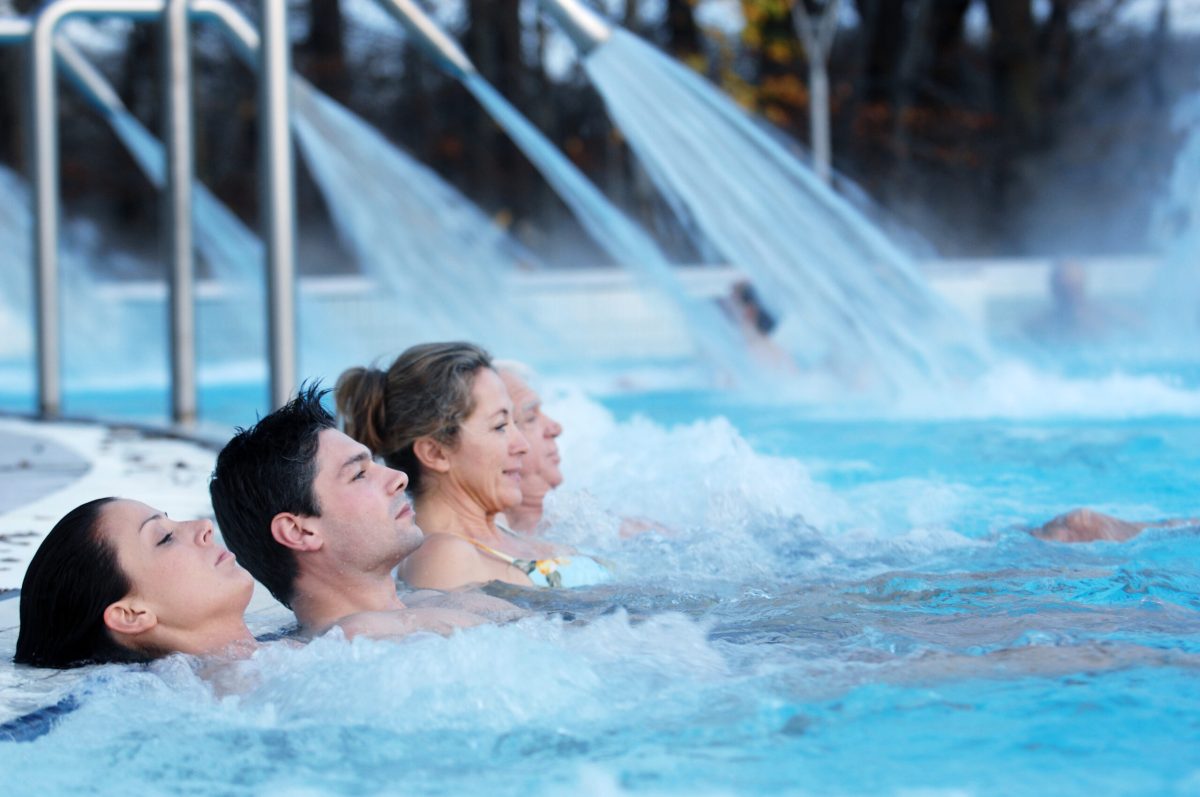
The international recognition arrived formally in 2021, when Spa joined UNESCO's prestigious roster of Great Spa Towns of Europe. Eleven other historic thermal destinations share that honor, including Bath, Vichy, Baden-Baden, and Montecatini Terme. Together they represent something bigger: European spa culture that bloomed around natural mineral springs and peaked between the early 1700s and the 1930s. But unlike some heritage sites frozen in amber, Spa refuses to be a museum of itself.
When Europe's elite came to drink the cure
Walk through Spa's center with a local and the transformation becomes obvious. This wasn't always a fashionable destination. The town's reputation climbed in two distinct waves: the second half of the 18th century and then again from roughly 1870 until World War I. Wealthy visitors arrived with one purpose in mind: to 'take the waters.' Locals called these guests 'Bobelins,' and they came from everywhere. Aristocrats and monarchs. Writers and composers. Military leaders and political power brokers. Names that still echo: Peter the Great. Victor Hugo. Alexandre Dumas. Giacomo Meyerbeer. The Duke of Wellington. Queen Marie-Henriette of Belgium loved Spa so deeply she spent her final seven years here. Her name still graces one of the town's most important thermal springs.
The real money these visitors brought didn't go toward healing alone. Entertainment was the prize. Spa's gaming tradition started in 1763 with La Redoute, the predecessor of today's Casino de Spa, which locals proudly claim as the world's oldest continuously operating casino. The stakes apparently got high. By 1787, tensions between rival casinos had escalated so badly that the Prince-Bishop of Liège sent 200 soldiers and two cannons just to keep the peace.
The grand 130-meter Galerie Leopold offered fashionable crowds a sheltered place to stroll. The nearby Parc de Sept Heures takes its name from the traditional evening hour when spa guests would emerge for their constitutional walks. These weren't isolated treatments. They were social rituals, and water created an entire urban lifestyle built on promenades, gossip, card games, and the promise of rejuvenation.
The real story lives underground
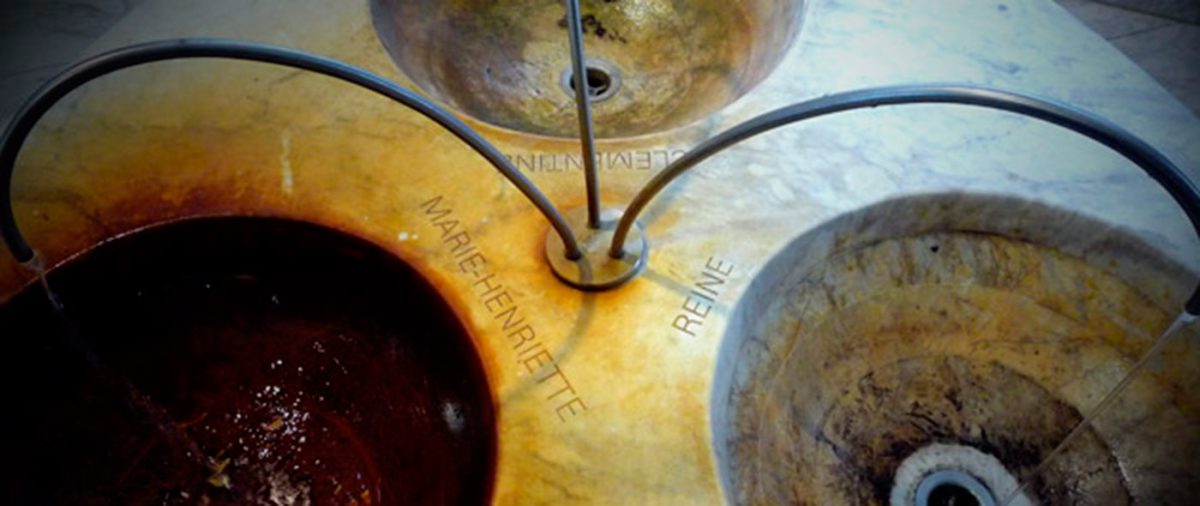
Leave the belle-époque architecture behind and head into the wooded hills, and the reason for all this fuss becomes crystal clear. Springs, or 'pouhons' as locals call them, dot the landscape. Each one is different. One spring I visited showed visible iron deposits in striking reddish streaks around the water. Tasting it revealed the mineral reality: slightly carbonated, intensely metallic, with an iron aftertaste that lingers. This isn't the mild bottled water you find in supermarkets. This is the raw thing.
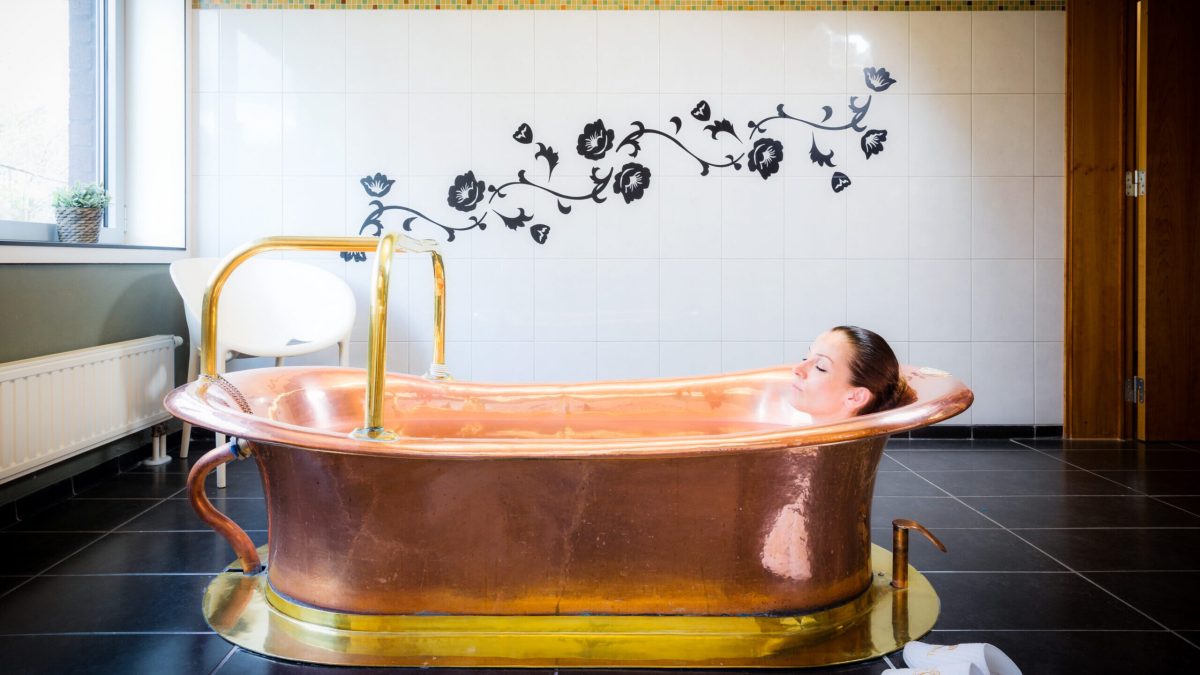
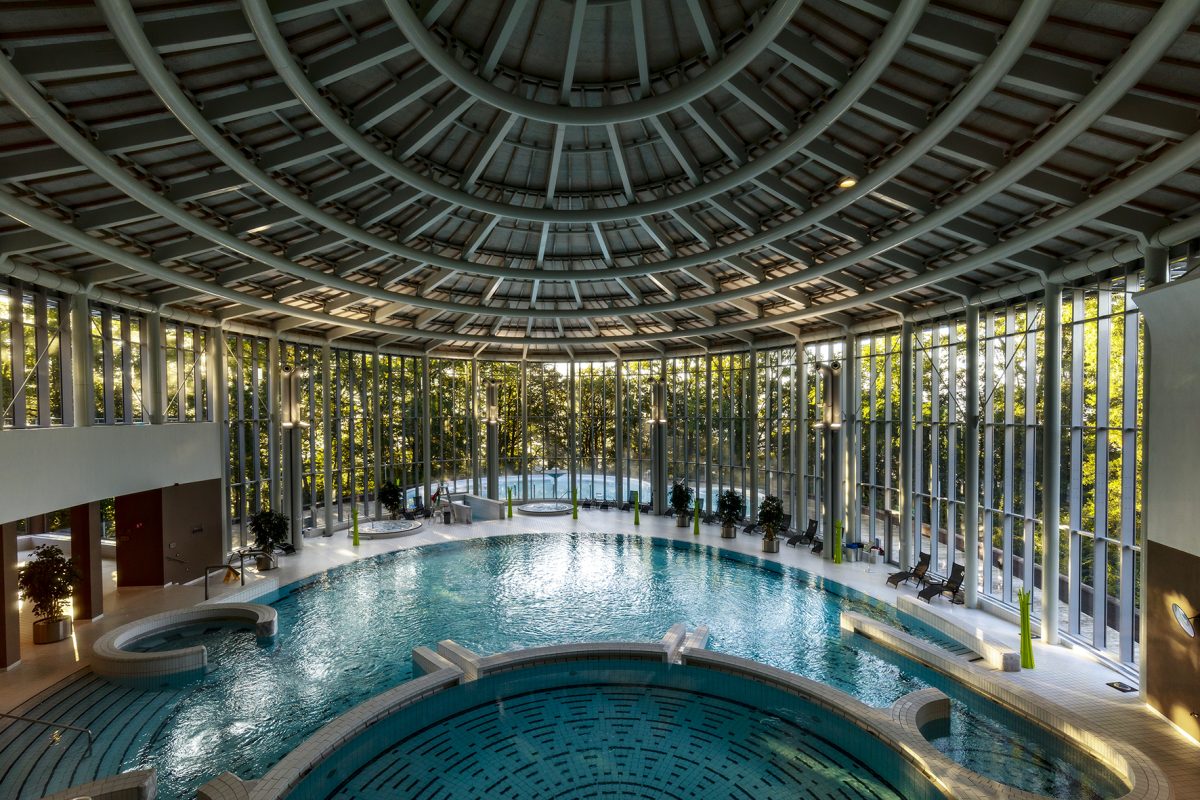
That diversity matters enormously to Spa's thermal system because each spring serves a different purpose. Three in particular feed today's Thermes de Spa. The naturally carbonated, iron-rich Marie-Henriette spring powers traditional treatments like carbonated baths and peat therapies. Water from the Clémentine spring fills the swimming pools and supplies several balneotherapy treatments. In Spa, water isn't wallpaper. It's not generic wellness ingredient slapped onto any destination. Each source has its own character, history, and precise use.
Pierrots as urban treasure hunt
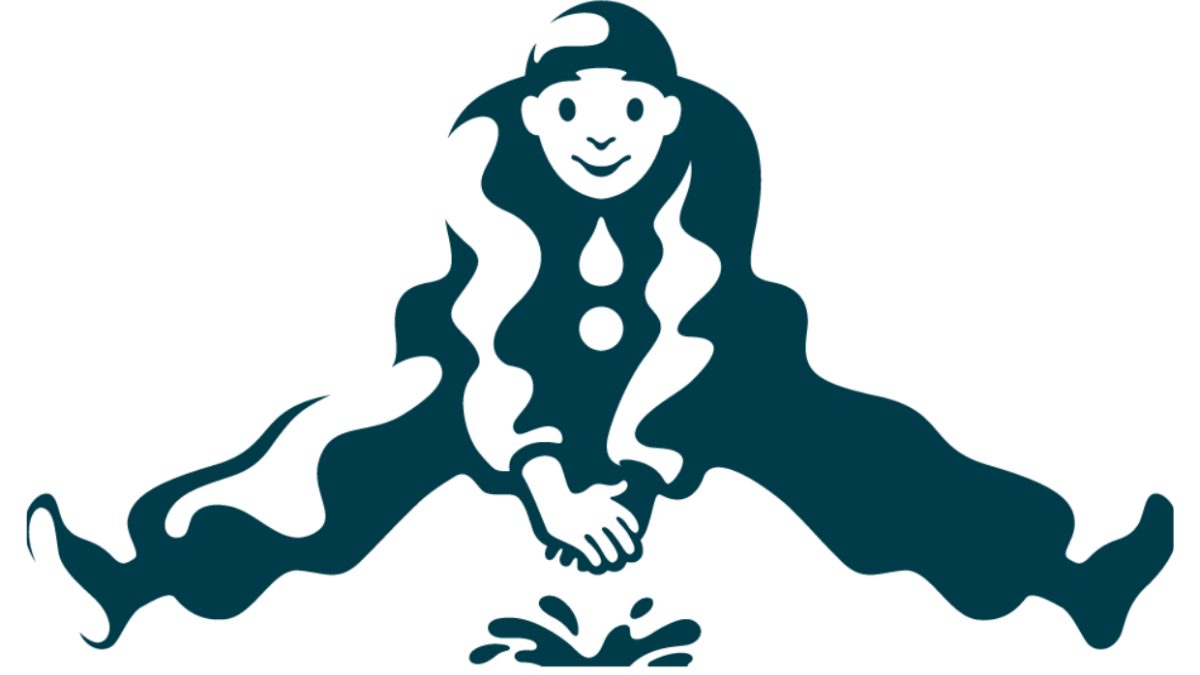
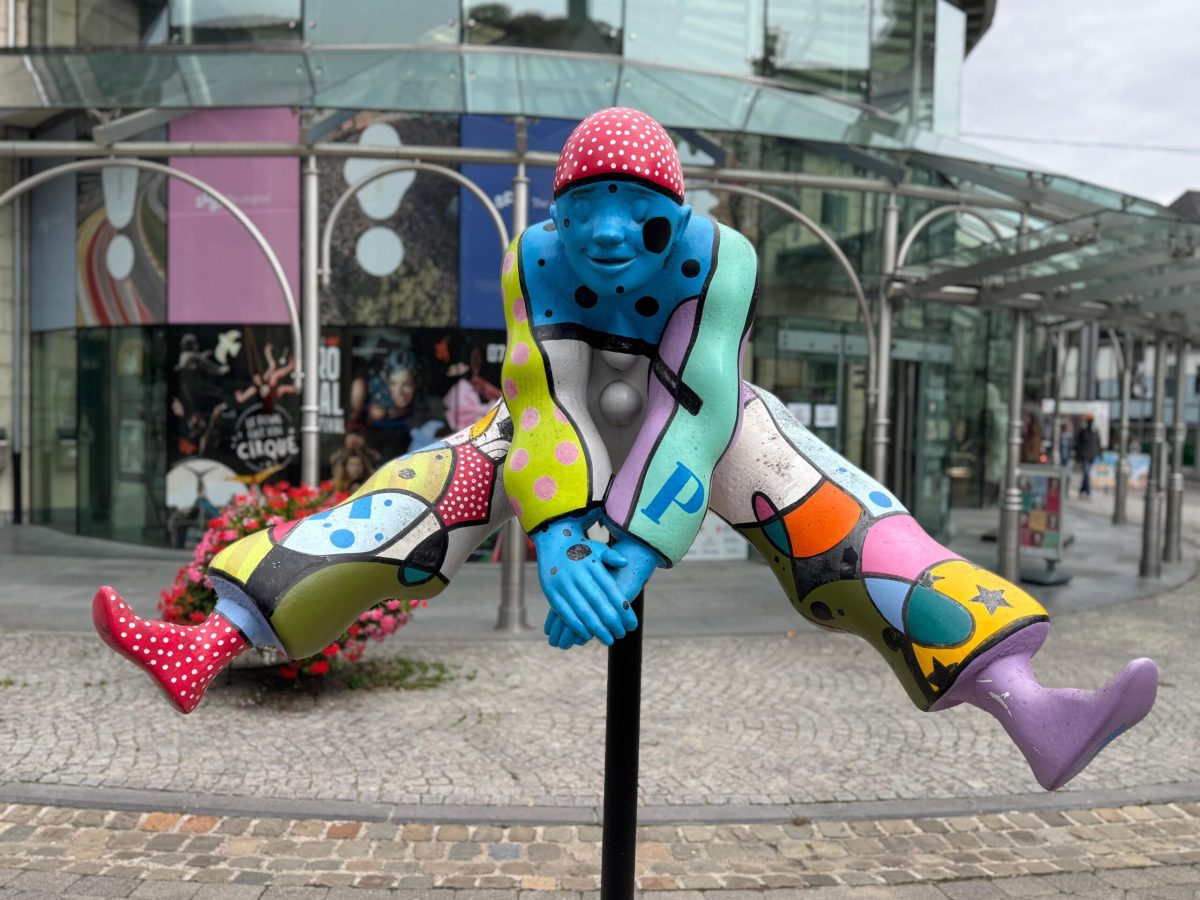
Even the town's public art revolves around water. Over a century ago, Spa Monopole held a competition to design a company symbol. The winner: a small figure called the Pierrot, caught mid-struggle with both hands trying to hold back the torrent of water exploding from a bottle. That same character still appears on every Spa water label today.
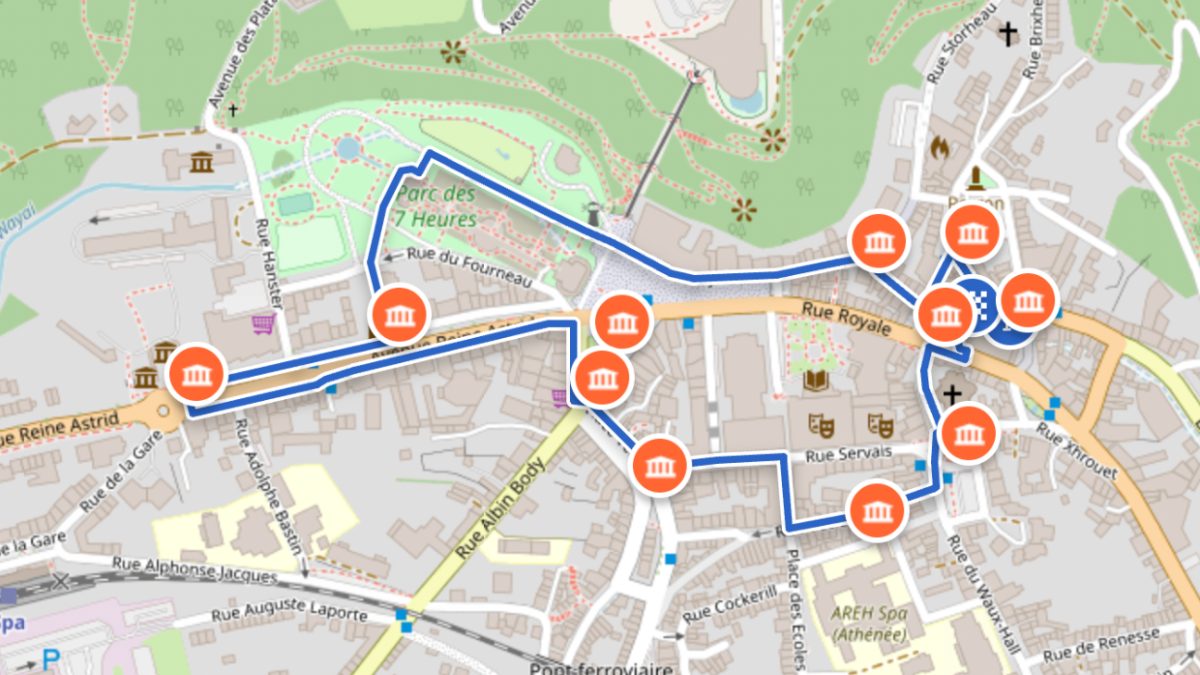
But here's the playful part. Twelve oversized Pierrots now decorate the city's streets, each painted with its own personality and color scheme. They create an accidental discovery trail through town. Walk around and you'll spot them in unexpected corners, and suddenly realize how the town has woven its obsession with water into every layer of its identity, right down to the street art.
Where to experience it
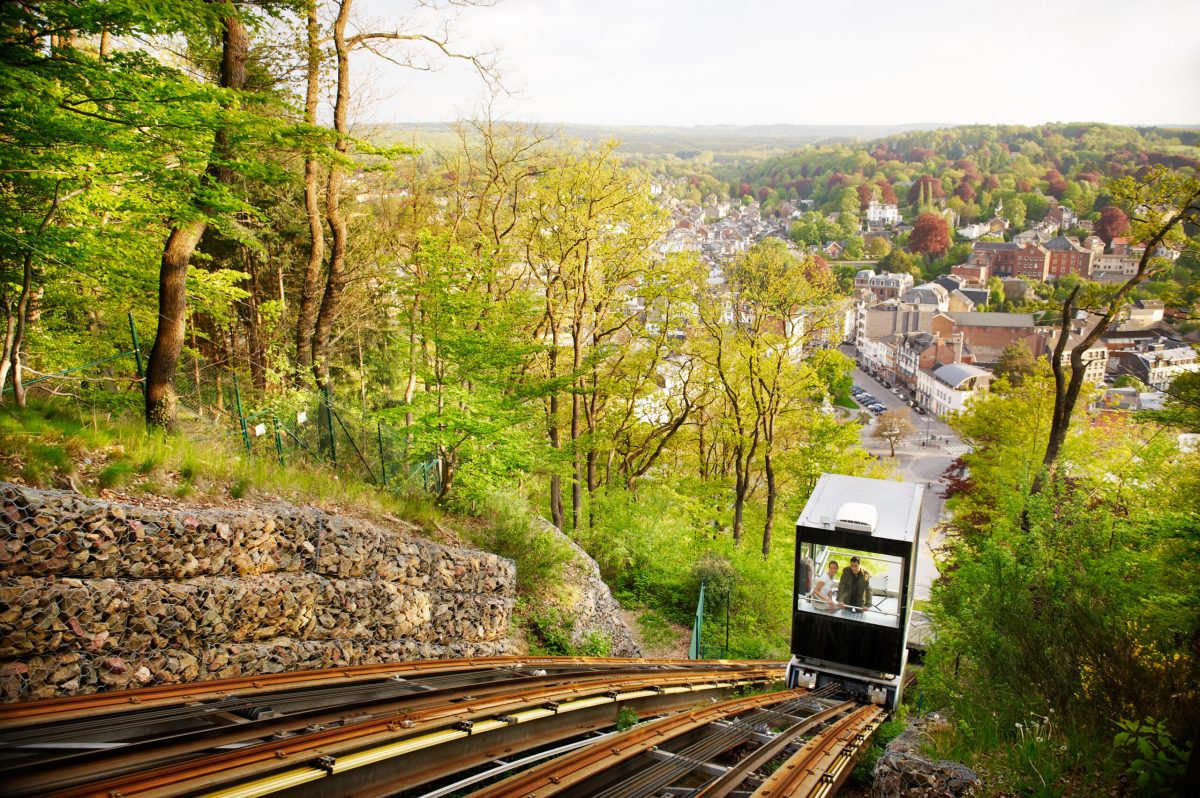
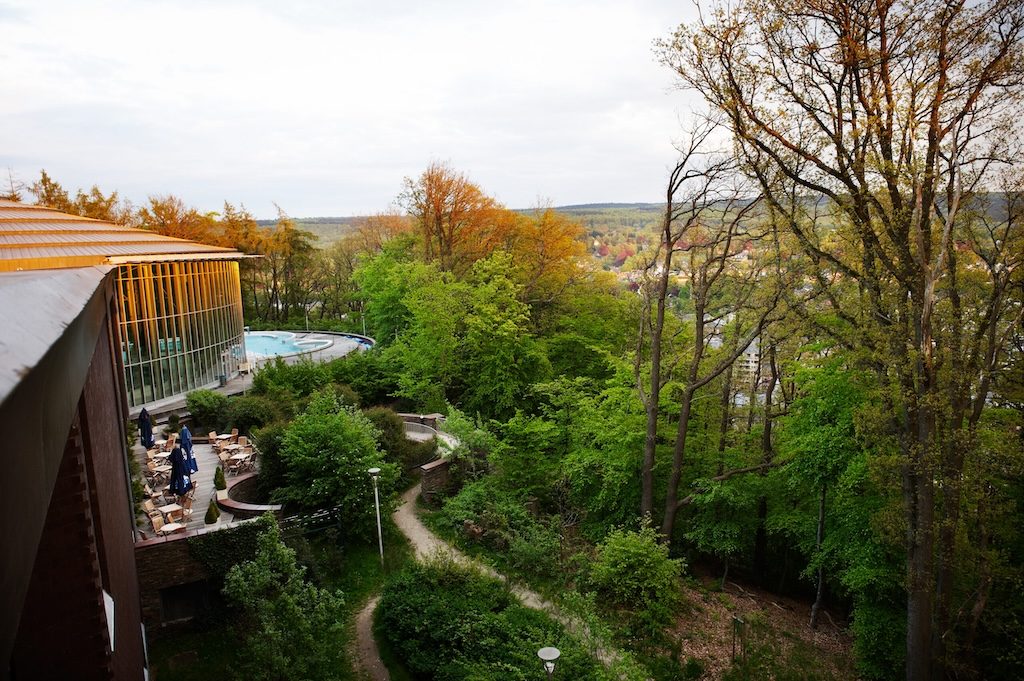
The relationship between town and water becomes almost theatrical when you head toward the Thermes de Spa. Built in 2004, the modern complex sits high above the historic center (where the old thermal establishment once stood). The design is beautifully practical: you can roll out of your hotel in a bathrobe and head straight to the pools. The facilities offer everything from traditional iron spring baths to modern swimming areas fed by different springs, each with distinct mineral properties.
For those planning a visit, proximity to major cities helps. Brussels connections have improved significantly, making access easier for international travelers. The town works best as a multi-day stay where you can move slowly between historic buildings, taste different springs in the surrounding forests, hunt for the colorful Pierrots scattered through town, and actually spend time at the Thermes rather than rushing through. This is a place where slowing down isn't just encouraged. It's the entire point.
Spa represents something increasingly rare: a destination where history isn't preserved in aspic but remains genuinely alive. The European Spas Association continues to bring events and recognition to the town, reinforcing its position within European wellness culture. Three little letters that once meant everything now mean something completely different. But stand in Spa itself and you understand why the whole world borrowed that name to describe relaxation.