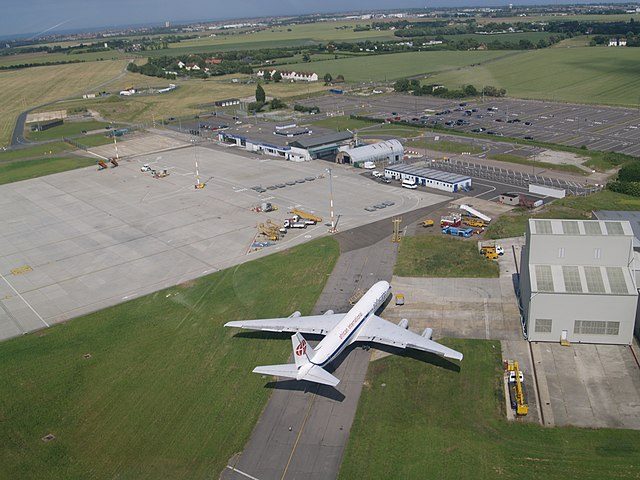
Manston Airport sits dormant near Ramsgate in southeast England, but it won't stay that way much longer if investment firm RiverOak Strategic Partners gets its way. The site, closed since 2014, is entering a critical phase: a public consultation running from March 16 through June 22 that will shape whether this aviation relic becomes a thriving cargo operations center.
The runway here carries genuine history. During World War II, Manston served the RAF and played a role in the Battle of Britain. It watched the earliest days of aviation unfold, trained pilots, and offered emergency landing grounds when nowhere else would do. Later, it rebranded as Kent International and briefly as "London Manston," chasing commercial viability. Then, slowly, it faded. Now, after more than a decade of silence, someone finally believes in its future again.
Why Now, Why Freight
Here's the pitch: the UK needs cargo capacity, and London's major airports are drowning in it. A full cargo network like other reopened facilities could function as part of an integrated freight system connecting air, rail, and road transport. RiverOak plans 19 widebody parking stands, four passenger stands (yes, some passenger service remains possible), and a sprawling 65,000-square-meter cargo terminal. Eight business aviation hangars, recycling facilities, and over 100,000 square meters of ground-level development round out the vision.
The timeline matters. This isn't theoretical. RiverOak claims four years from green light to operational airport, leveraging an existing full-length runway capable of handling massive freighter aircraft. That speed is possible because the hard infrastructure already sits there, waiting. The government has already granted a Development Consent Order, which means planners have already reviewed and approved the outline.
The Economic Argument
East Kent ranks among the UK's most economically challenged regions. High crime, low wages, and crushing child poverty rates sit side by side with one of England's most beautiful coastlines. Manston's reopening would inject jobs, investment, and tax revenue into communities that badly need them. Tony Freudmann, RiverOak's director, frames this as "a once-in-a-generation opportunity." The formal consultation invites community input on exactly how the airport should be shaped.
Carbon neutrality by 2035 adds another layer to the appeal. Smart buildings, electric ground vehicles, and autonomous transport tech aren't green theater here; they're part of the licensed plan. For a region desperate for environmental credibility alongside economic revitalization, that matters.
The Problem Nobody's Solved Yet
Tourism and airports don't always mix. Herne Bay, Whitstable, and other coastal resorts within earshot of Manston have been arguing for a decade that aircraft noise will trash their reputations and scare away visitors. The fear is real: bad reviews on travel sites travel fast, and visitors flee noisy beaches. Between 10,000 and 20,000 air movements annually could transform the acoustic landscape for towns that have built their appeal on peace and seaside charm.
Flight paths and operational hours remain unconfirmed, which is where the consultation becomes crucial. Other airport reopenings have faced similar tensions between freight operators and surrounding communities. The question isn't whether cargo will fly from Manston if it opens, but how, when, and how loud.
What Happens Next
RiverOak is hosting public events alongside the formal consultation, meaning curious residents can actually walk through the plans, ask hard questions, and lodge complaints with teeth behind them. This isn't a rubber stamp. Real community resistance can shift timelines and operating rules, and aviation authorities take noise complaints seriously.
For travelers, the real story here isn't yet visible. If Manston succeeds, UK-Europe cargo routes could decompress, potentially affecting flight availability and pricing across the region. Domestic freight could move more smoothly. And somewhere down the line, a small airport in a forgotten corner of England might become known for something other than its military past.
The months ahead will tell whether history simply repeats or actually revises itself.