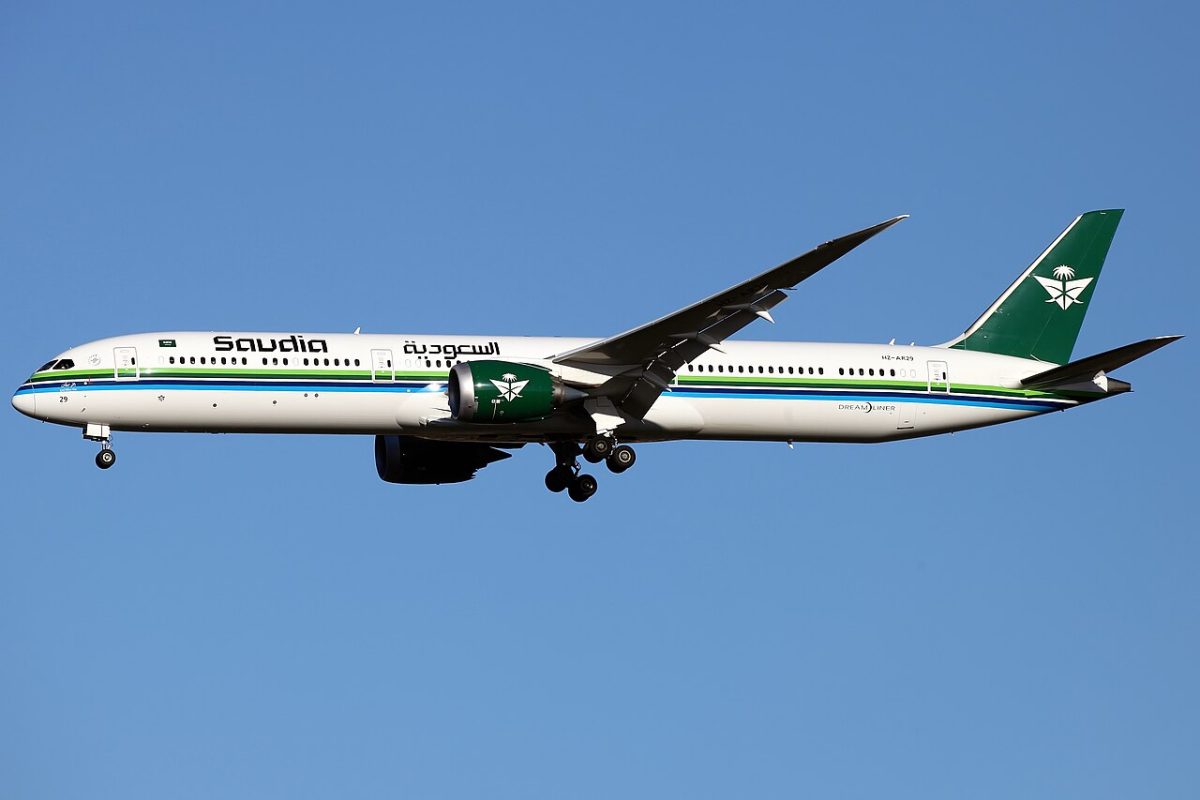
Picture this: you're sipping coffee in Cologne's central station, boarding a sleek high-speed train that whisks you toward Brussels Airport in just two hours. No separate ticket purchases. No frantic transfers between booking platforms. No wondering if your train delay will scuttle your flight. Come September 2026, this scenario becomes reality.
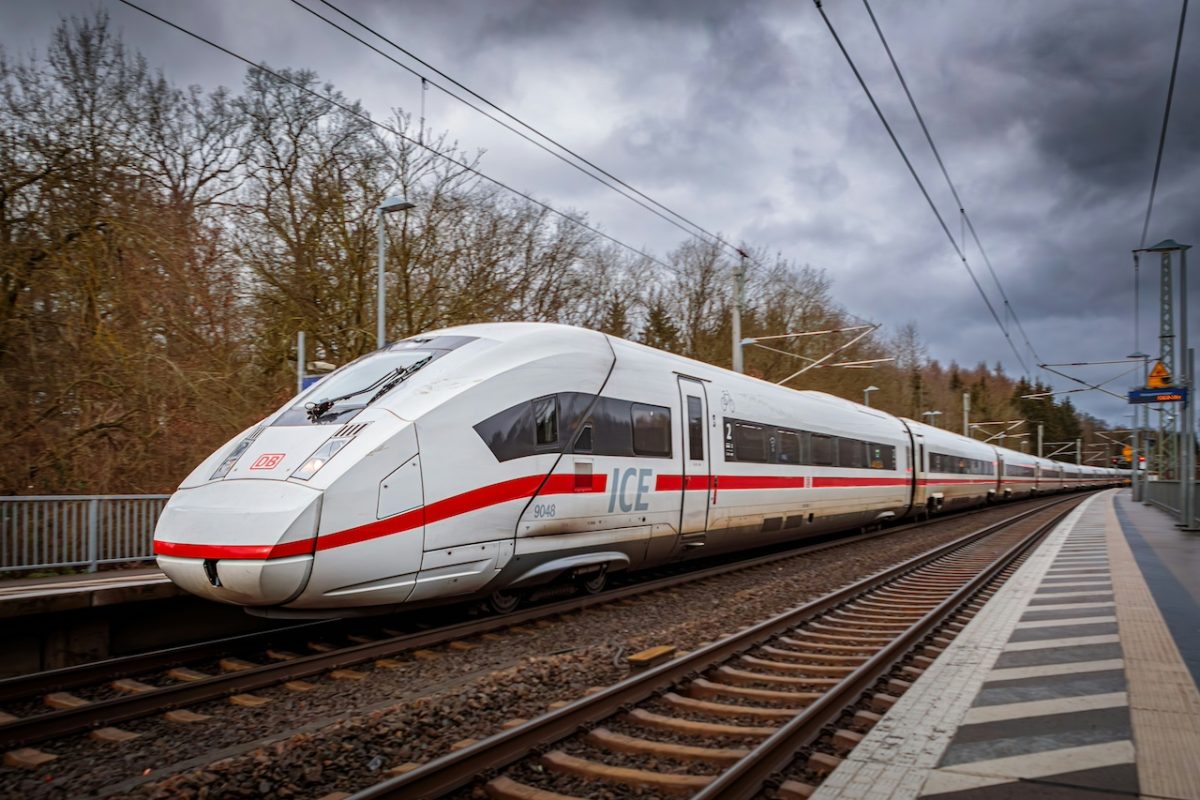
Deutsche Bahn and Brussels Airlines are launching a joint service that treats train and plane as one connected journey. The ICE 3neo high-speed trains will depart Cologne, swing through Aachen, Liège, and Leuven, then deposit you at Brussels Airport in time for morning long-haul departures or afternoon connections. Two daily return services run between the two cities, with the morning train arriving at the airport by 08:29, perfect timing for onward flights across Brussels Airport's network of over 180 destinations.
One Booking, One Confirmation, Zero Hassle
The magic happens in the booking engine. Instead of hunting between rail sites and airline portals, you'll search for your final destination, select your preferred train departure, and complete the purchase in one transaction. You'll receive a Brussels Airlines flight number for the rail segment itself, which means the train slot integrates directly into your overall reservation. If your train runs late, the airlines treat it as a protected connection rather than a missed flight, giving you breathing room that most casual rail-to-air transfers don't offer.
Frequent flyers will appreciate the rewards integration. You can rack up Miles & More points on the train portion just like you would on a flight. Premium passengers on eligible fares also get reserved seating, lounge access at Cologne Central Station, and integrated city transport tickets for both Cologne and Aachen, transforming the journey from a mere transfer into a more polished travel experience.
Why This Changes the Game for Western Europe
For travelers in western Germany and eastern Belgium, this corridor fills a genuine gap. Brussels Airport serves as the continent's gateway to Africa, the Middle East, and beyond. Many passengers from the Rhineland and surrounding regions currently drive to the airport or book expensive short-haul flights from closer hubs. This new rail link cuts that friction significantly.
Brussels Airlines is particularly bullish on the connection. The carrier has highlighted western Germany's significant African diaspora communities, many of whom now have a direct, climate-friendly route to Brussels' strong African network. CEO Dorothea von Boxberg indicated that future expansions are being explored, suggesting this might just be the opening move in a broader European rail-air integration strategy.
The Bigger Picture on Sustainable Aviation
This isn't just a convenience play. The partnership reflects mounting pressure on the airline industry to reduce carbon footprint, especially on short-haul routes where trains compete effectively. The electric ICE trains produce a fraction of the emissions of a flight between the two cities. By making train-and-flight bookings as frictionless as flying point-to-point, the partnership gives environmentally conscious travelers a real alternative without sacrificing convenience.
The codeshare agreement also opens the service to other Star Alliance carriers, meaning airlines beyond Brussels Airlines can sell the train segment to their own customers as a feeder connection. This network effect could significantly broaden the service's reach across European aviation.
What to Expect on the Train
The ICE 3neo is Deutsche Bahn's latest fleet addition, featuring modern cabins, reliable Wi-Fi, and the kind of ride quality you'd expect from modern European rail. The two-hour journey is long enough to justify the comfort but short enough that you won't feel trapped. Aachen, Liège, and Leuven stops mean the train serves regional travelers too, not just those heading straight to the airport.
Tickets are already available through traditional channels: travel agents, airline booking sites, and rail platforms. Prices haven't been publicized yet, but expect pricing that reflects the added convenience factor relative to separate train and flight bookings.
For anyone regularly traveling from Germany to distant destinations via Brussels, this September 2026 launch could reshape how you plan those trips. The old formula of driving to the airport or booking a connecting flight is about to feel decidedly outdated.