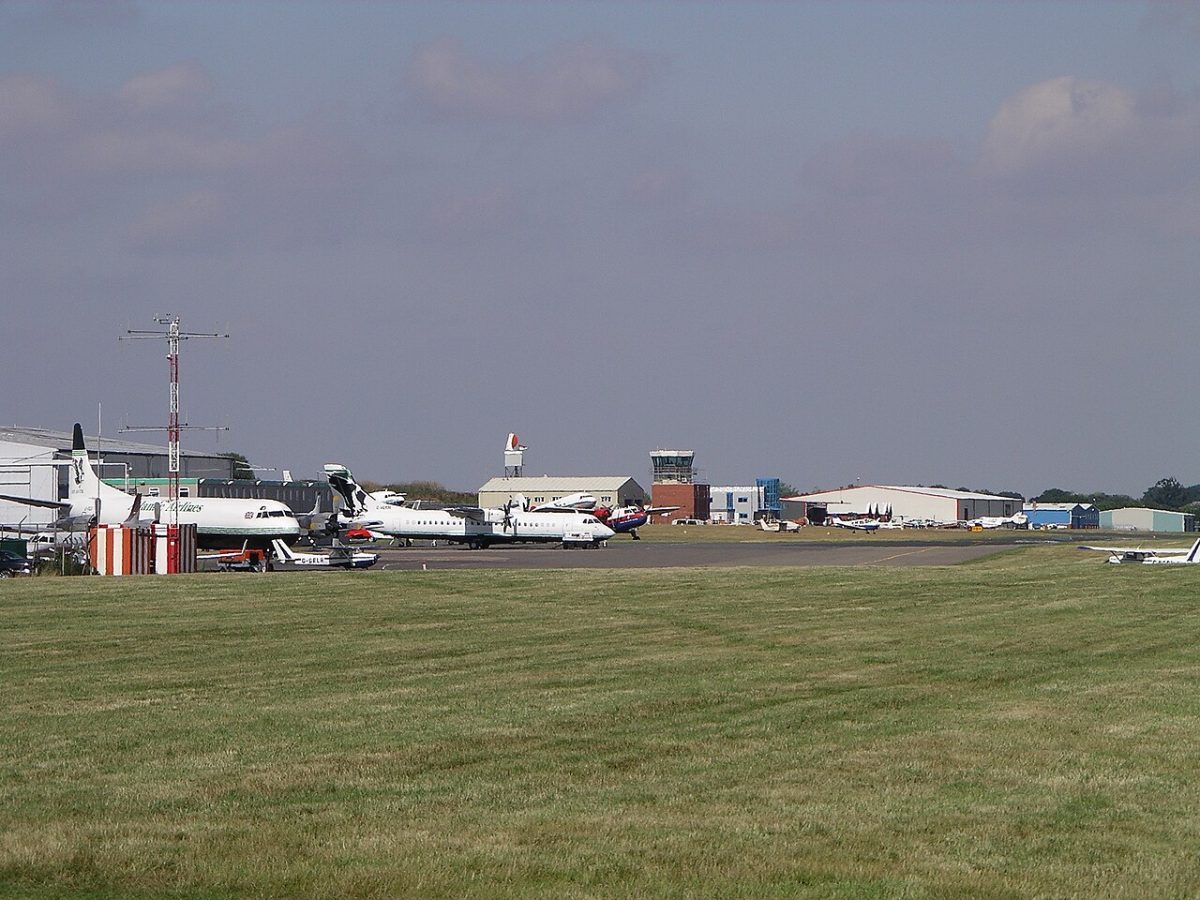
On June 5th, 2026, Coventry Airport handled what may be the most unusual final commercial flight in British aviation history. The passenger manifest included members of Take That, the 1990s boy band, who were in town for their Circus Live tour. When the musicians discovered they were boarding the airport's last-ever scheduled passenger service, they refused to let the moment pass quietly. Ground crew gathered for photographs with the famous quartet, turning a bittersweet farewell into something decidedly more memorable.
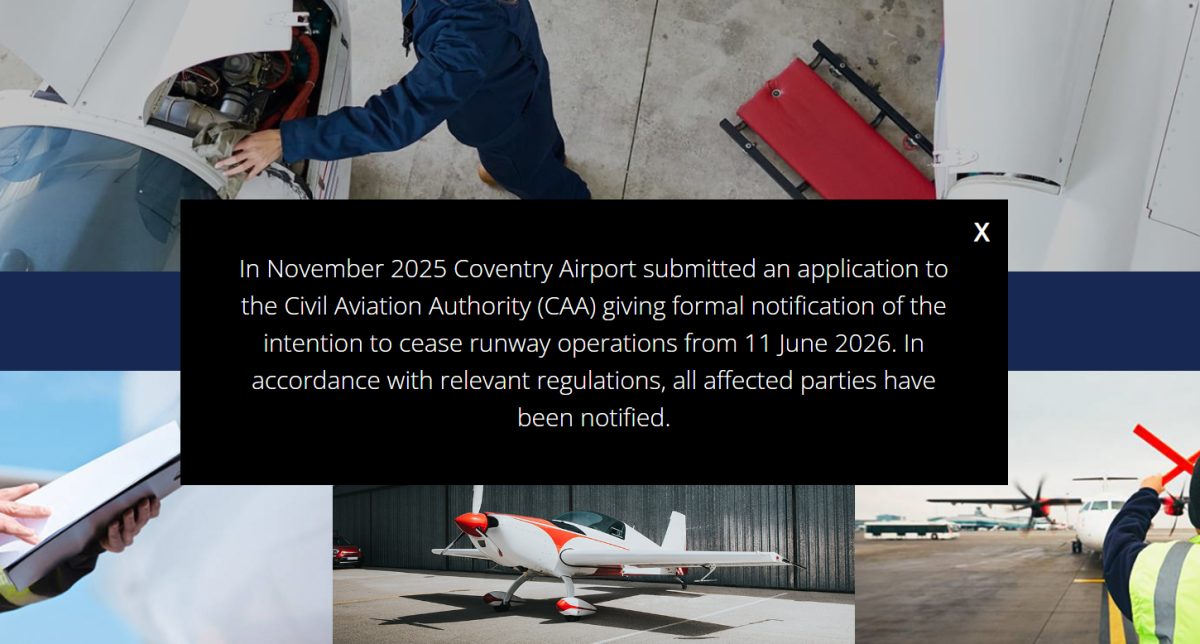
Five days later, on June 11th, the gates closed permanently. The Midlands aviation hub that had watched nearly a century of aviation history unfold was ready for its next chapter. This wasn't a sudden collapse or airline bankruptcy. Instead, Coventry Airport's closure marks a deliberate pivot from passenger flights to industrial transformation, with planning permission already in place for a battery manufacturing facility.
From Wartime Fighter Base to Holiday Gateway
The story of Coventry Airport began modestly in 1936 as Baginton Aerodrome. During World War II, it became a crucial fighter airfield, though it suffered heavily during Hitler's devastating 1940 Coventry Blitz. The facility survived and adapted, serving multiple roles across the decades. From military operations to cargo runs, medical transport to passenger charters, the airport became a window on nearly every chapter of aviation's evolution.
The 1980s brought package holiday booms to Austria, Italy, and Spain departing from these runways. By the 2000s, budget carriers like Wizz Air opened up cheap routes to Poland. Even Pope John Paul II touched down here in 1982, celebrating Mass before approximately 350,000 people. The Midlands Air Museum, housed at the site, preserves that rich heritage for visitors fascinated by flying history.

Welcome to Greenpower Park
The redevelopment project carrying the name Greenpower Park received green light in 2022. A partnership between Coventry City Council and the airport attracted a crucial 23-million-pound investment from the West Midlands Combined Authority in January 2025. The 2.5-billion-euro battery manufacturing venture aims to deliver more than 30,000 new jobs across the region, functioning as part of a wider West Midlands Investment Zone that includes manufacturing hubs at Warwick Gigapark, the Birmingham Knowledge Quarter, and the Wolverhampton Green Innovation Corridor.
Former city councillor Jim O'Boyle framed the transformation as an "economic lift" for the area, pivoting from tourism and passenger transport to clean technology production. While aviation enthusiasts mourn the loss of yet another regional airport, the regional economic case appears compelling. Europe's airports hit a speed bump after six years of climbing back, and some airports are rethinking their future entirely.
Not the End of the UK Airport Story
Coventry's closure reflects broader shifts in regional aviation. Meanwhile, across the country in Kent, a different narrative is unfolding. Manston Airport, another historic hub, is exploring a potential reopening under investment firm RiverOak Strategic Partners. RSP has positioned the project as "a once-in-a-generation opportunity to deliver new runway capacity to support the UK air cargo market and to transform the economic landscape in East Kent."
The contrast is striking. While Coventry Airport moves from runways to battery cells, Manston inches toward revival. KLM's Amsterdam to Hamburg Flight Just Changed Aviation's Future, and cargo and logistics continue reshaping what airports do. For travelers used to hopping flights from the Midlands, the closure marks the end of an era. For economists tracking regional development, it signals a pragmatic shift toward tomorrow's industries.
Coventry Airport's final chapter closes, but the airfield itself enters a new story. Those Take That members probably won't forget their unexpected final flight from there. And someday, when someone drives past Greenpower Park and spots the battery plant humming with activity, they might not realize they're passing one of Britain's oldest aviation sites.