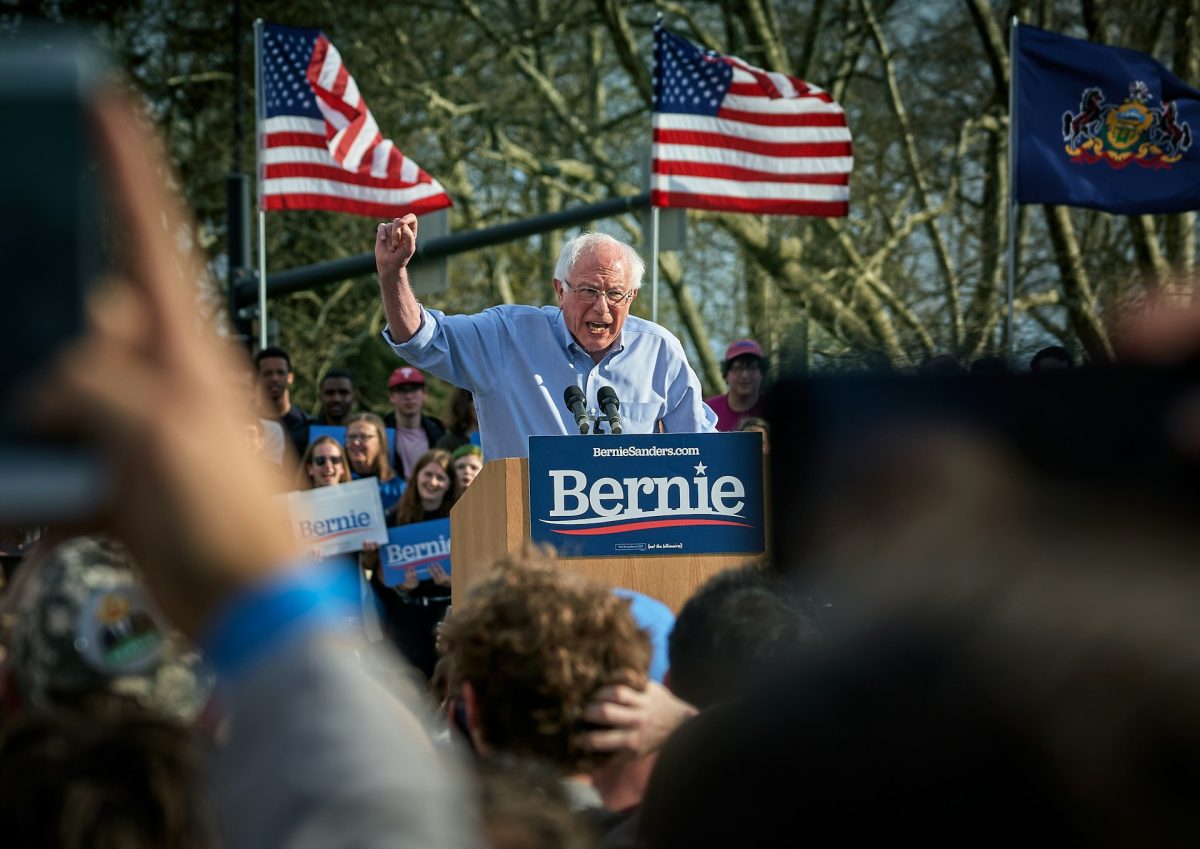
A photograph made the rounds on social media recently that proved impossible to ignore. Senator Bernie Sanders, captured sitting comfortably in a first-class seat aboard a Delta flight from Washington, D.C. to Minneapolis, became the subject of heated debate within hours. He was headed to Minnesota to speak at the "No Kings" rally, a major political event. The image landed like a bombshell across digital platforms, where people immediately took sides.
The core tension is simple enough to state: Sanders has built his political identity around challenging wealth inequality and speaking for working-class Americans. He describes himself as a democratic socialist. To many who saw the photo, his choice of seating seemed to undercut that message. Critics pointed out the apparent contradiction between preaching about oligarchy from a microphone and enjoying the comforts reserved for the wealthy. One viral post summed it up sharply, calling Sanders a "total fraud" for flying first class to a rally where he planned to criticize elite privilege.
This isn't the first time a progressive politician has faced this kind of scrutiny. Alexandria Ocasio-Cortez encountered similar criticism over her travel choices. The pattern reveals something worth thinking about: public figures who speak about inequality get examined under a microscope that others rarely face. Rightly or wrongly, they're held to a different standard.
The debate hinges on symbolism. First class conjures images of exclusivity, wealth, and separation from ordinary people. For critics, that symbolism matters enormously. When someone built their brand on reducing inequality, every personal choice becomes a statement. A slightly wider seat and extra legroom might seem trivial to some, but the optics send a message that contradicts the political platform. From this view, the issue isn't really about the cost of the ticket. It's about what flying first class signals to the world.
Supporters of Sanders offer important context that often gets lost in outrage. Domestic first-class seats in the United States aren't luxury experiences comparable to international business class or private jets. They typically mean a few extra inches of legroom and maybe a slightly wider seat. That's considerably different from the increasingly elaborate premium cabin experiences airlines have designed. Sanders travels constantly for political work. He may have received an upgrade through an airline loyalty program, or the seat might have been arranged by event organizers as part of the logistics for his appearance. These details matter when evaluating the actual choices he made.
There's also the question of what Sanders' political agenda actually targets. His push for higher taxes on billionaires and policies to reduce wealth concentration doesn't logically require him to refuse all personal comfort. Flying first class on a commercial aircraft, where he's still sharing the flight with hundreds of other passengers, stands worlds apart from using a private jet (which leaves an outsized environmental footprint). He wasn't removing himself from public transportation. He was simply in a different section of the same plane.
The broader pattern here deserves attention. Politicians who speak about inequality face relentless scrutiny for perceived inconsistencies. Similar behavior from other officials might barely register. This selective focus raises its own questions about fairness and how we evaluate public figures. Are we holding everyone to the same standard, or does the lens change based on political affiliation and message?
The photo itself captures a real tension in modern politics and travel. When you're a high-profile public figure constantly moving between events and cities, how much personal comfort becomes part of doing the job effectively? Is refusing first class a principled stand or performative theater? Does the symbolic matter more than the practical? These questions don't have easy answers, which is probably why the conversation refuses to die.
What remains clear is that travel choices for public figures aren't just about getting from point A to point B anymore. Every flight, every seat selection, every boarding pass becomes fair game for public judgment. Whether that represents accountability or excessive scrutiny depends largely on who you ask.