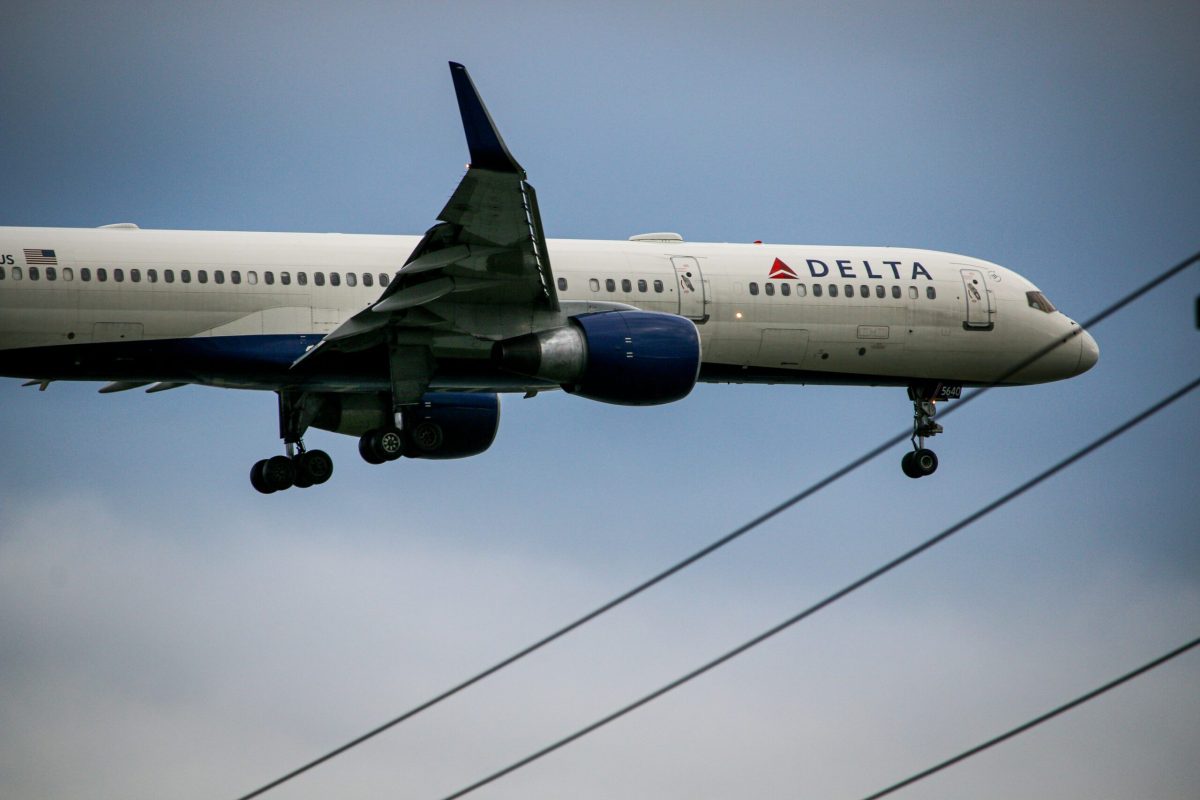
Flying used to be glamorous. Today, it feels increasingly volatile. A May flight from Fort Lauderdale to Los Angeles learned this the hard way when what should have been an ordinary service moment escalated into a federal investigation and an unscheduled landing in Atlanta.
Thirty-two-year-old Cody James Maluck from Indianapolis is now facing felony charges of interference with flight crew after an encounter with a flight attendant during beverage service on Delta Flight 800. According to court documents, the attendant passed by Maluck's seat believing he was asleep. When she finished serving nearby passengers, he allegedly struck her on the buttocks hard enough to push her forward. A second crew member witnessed the incident and heard the attendant's reaction.
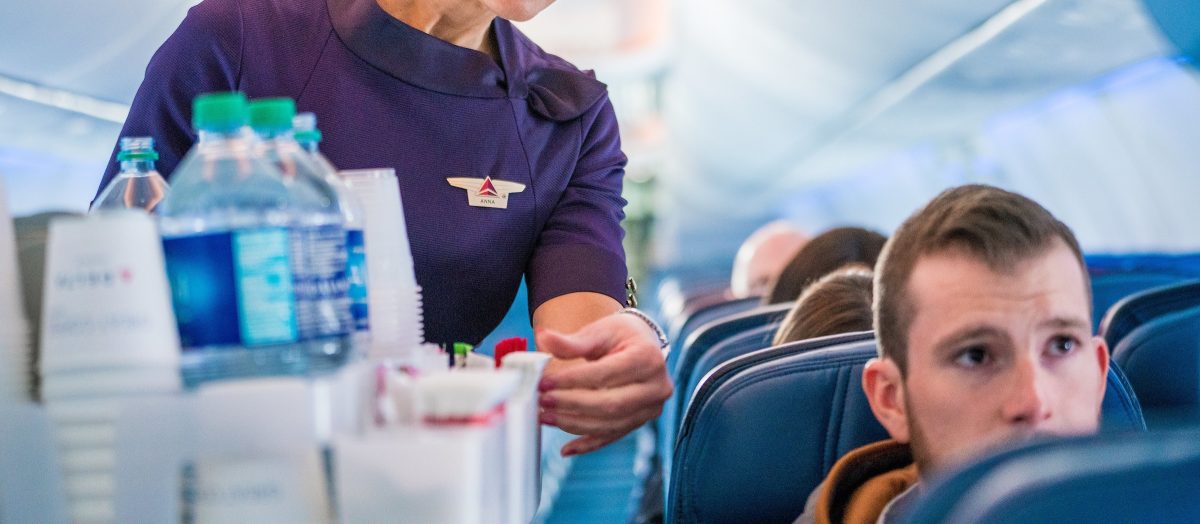
The pilot didn't hesitate. Within minutes, the aircraft diverted to Hartsfield-Jackson Atlanta International Airport where law enforcement boarded and arrested Maluck. During questioning, he admitted to touching the attendant but claimed it wasn't a hard slap and that he was simply trying to get her attention because he was wearing headphones and hadn't heard the beverage offer.
The distinction matters legally, but it barely registers in the bigger picture. Federal prosecutors say his behavior interfered with crew duties and forced the diversion. A federal grand jury indicted him in June. If convicted, he faces serious consequences that go well beyond any airline ban.
The Zero Tolerance Line Gets Clearer
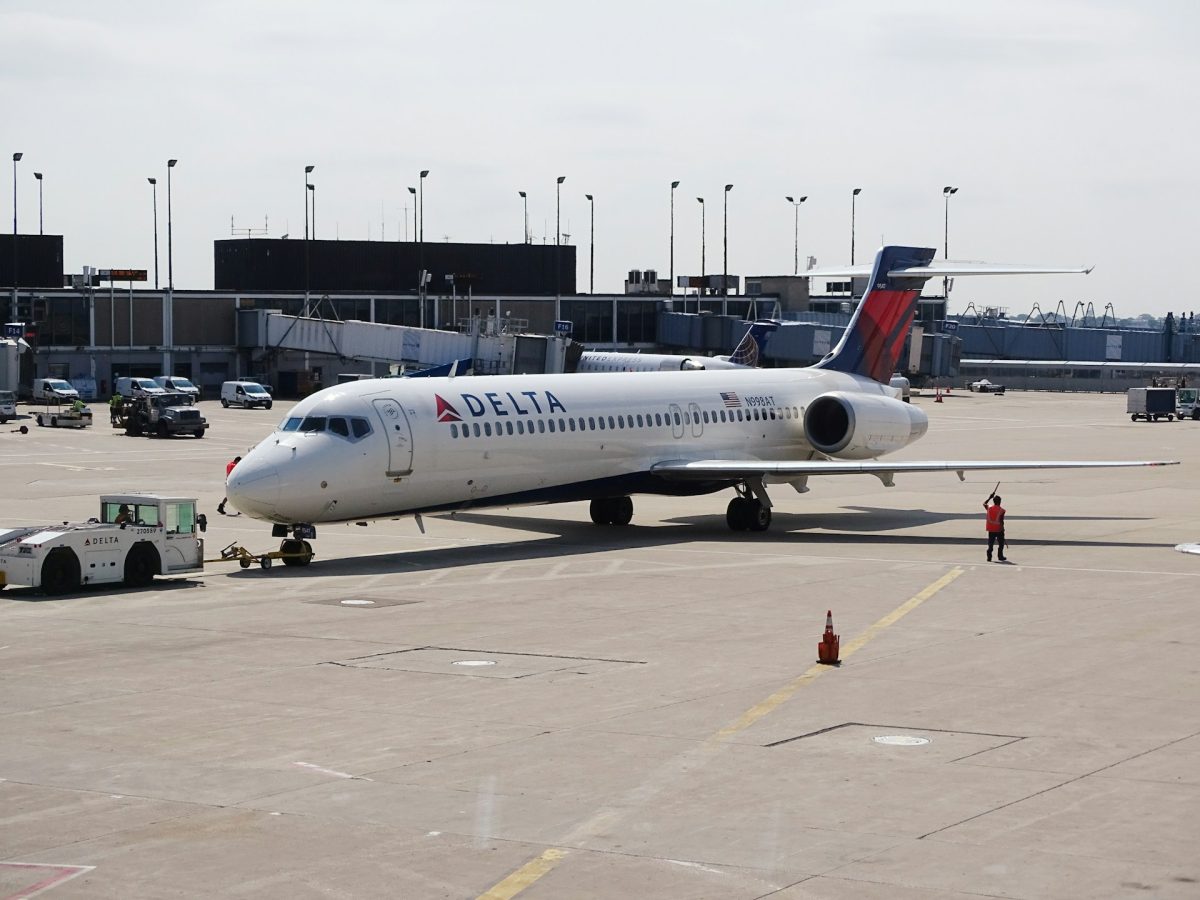
Delta's response was swift and unambiguous. "We have zero tolerance for disruptive or unruly behavior on our flights," the airline stated. "We will always cooperate with law enforcement to address such conduct and protect our people." This isn't corporate theater. Airlines mean it now, and passengers are learning that the skies aren't a lawless zone where normal rules of conduct don't apply.
The Maluck case arrives amid a wave of similar incidents involving assaults on crew members. The aviation industry and federal authorities have spent the past few years sending a consistent message: cross this line, and you'll face criminal charges, not just a ban from your airline. Airlines face substantial penalties for failing to manage intoxicated passengers, and individual travelers face even steeper consequences for their own misconduct.
International carriers are getting creative about prevention. Ryanair now fines passengers at least 500 euros if they're removed due to unruly behavior, with additional civil damages possible if the airline incurs extra costs. The budget carrier famously sued a passenger for 15,000 euros after their behavior forced a Dublin-to-Lanzarote flight to divert to Porto, affecting over 160 passengers and crew members.
Governments Join the Fight
Policy makers are moving beyond airline-specific responses. The UK government is considering a nationwide airline blacklist that would prevent disruptive passengers from flying with any carrier, rather than allowing them to simply switch airlines after being banned by one operator. The proposal targets travelers involved in violence, harassment of crew, and alcohol-related misconduct. The challenge lies in data protection laws, which make a shared database of banned passengers tricky to implement.
Some jurisdictions are targeting the root cause. Ryanair has called on European airports to limit passengers to two alcoholic drinks before boarding, arguing that stricter alcohol controls would reduce disruptive incidents. This ties directly to the broader issue: a significant portion of in-flight disruptions involve intoxicated passengers whose judgment is already compromised before they board.
The message for travelers is simple but serious. Airplanes are federal airspace, and the people who work there have legal protections you won't find at restaurants or bars. Inappropriate touching, verbal abuse, or aggressive behavior won't result in a warning. It results in federal charges, criminal records, and fines that can reach tens of thousands of dollars. Your vacation or business trip isn't worth the legal fallout.
For the vast majority of fliers who behave like adults, these enforcement actions have zero impact. But for the handful who push boundaries, the consequences have never been more serious. Delta's flight 800 became a case study in how quickly a single moment of poor judgment can derail someone's life. The question now isn't whether airlines will prosecute disruptive passengers. It's whether passengers finally understand that they should never test the limits.