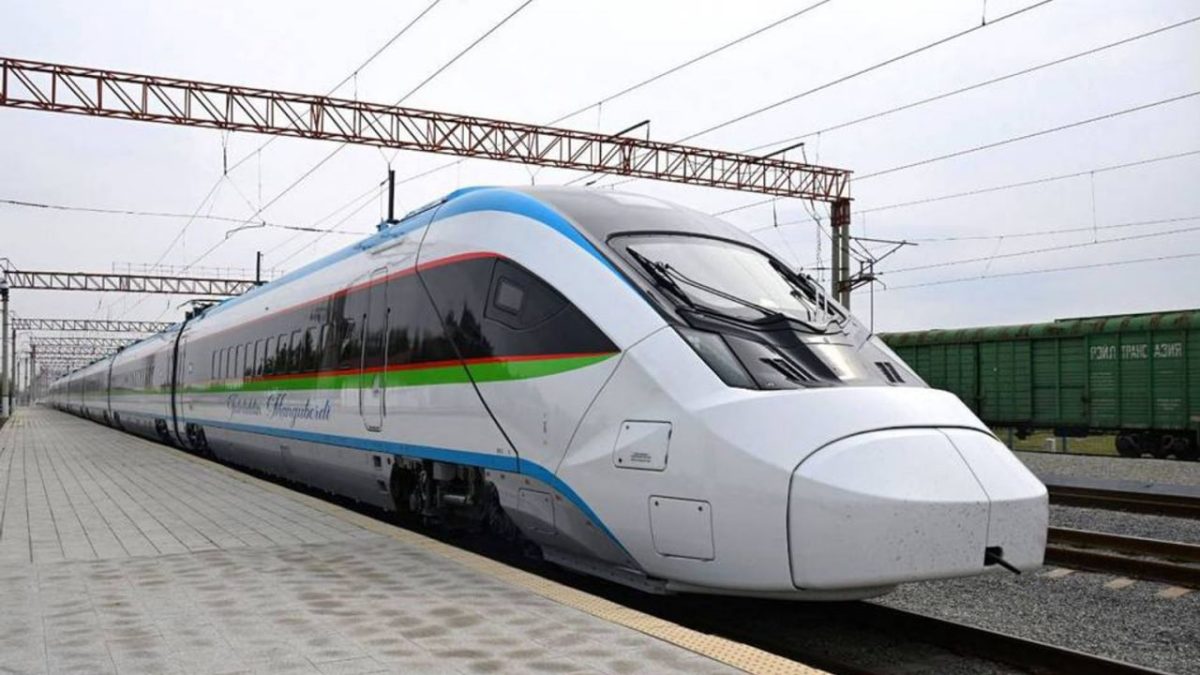
On May 2, when the Jaloliddin Manguberdi high-speed train departs Tashkent for the first time, it won't just shave seven hours off a grueling journey. It will rewrite how travelers experience one of the world's most storied routes to the past.
The new service, operated by sleek Hyundai Rotem trains built to handle desert heat, covers the 600-odd kilometers between Uzbekistan's capital and Khiva in just seven and a half hours. The old route took nearly 14. That's not merely convenience; it's permission to actually do the trip without losing an entire day to rails.
Each train holds 390 passengers across three classes, from economy seats to VIP cabins that wouldn't embarrass a business lounge. The trains can hit 260 kilometers per hour and were designed specifically for Uzbekistan's harsh climate. President Shavkat Mirziyoyev rode one in March to prove the point. If it's good enough for him, the thinking goes, it's ready for you.
Why Khiva Matters Now
Khiva isn't just another dusty settlement with old walls. For over 2,500 years, it's been the kind of place that mattered. Caravans bound for Persia stopped here. Traders built fortunes here. Today, Itchan Kala, the walled inner city, stands as a UNESCO World Heritage Site and a window into Central Asian life that hasn't fundamentally shifted in centuries.
The architecture alone justifies the trip. The Juma Mosque has a forest of hand-carved wooden columns that catch light in ways photographs can't capture. The Konya Ark citadel offers actual views from where Khiva's rulers once governed. The Islamkhodja Madrasah has a minaret worth climbing for the view across the desert. And the turquoise dome of the Pahlavon Mahmud mausoleum hits the kind of color that makes you believe the travel brochures weren't lying.
Beyond the ancient core, the bazaar trades in the same goods and stories it has for centuries. The Nurullaboy Palace, finished in 1912, blends Uzbek tradition with Russian imperial swagger, a reminder that Khiva's history didn't stop in the medieval period. It kept evolving.
The Bigger Picture for Uzbek Tourism
This train isn't just about speed. Uzbekistan is on a tourism tear. Nearly 11 million international visitors showed up in 2025, and tourism revenue topped $4.4 billion. The government wants 12 million visitors in 2026 and 20 million annually by 2030. That's ambitious, but not impossible if you make the country easy to navigate.
Most travelers still cluster around Samarkand and Bukhara, the familiar names on every Central Asia itinerary. But when rail infrastructure improves, travelers extend their routes. A seven-and-a-half-hour sprint from the capital means Khiva stops being the grueling add-on at the end of a week-long trip. It becomes a real option. You can base yourself in Tashkent, hop the train, spend real time in one of Asia's most intact historical cities, and hop back. Done.
The train service is part of a larger national push to upgrade how people move through Uzbekistan. Better infrastructure opens doors. It brings money. It spreads opportunity beyond the cities everyone already knows.
What This Means for You
If you've been thinking about Uzbekistan but dreading the logistics, May 2 changes the calculation. The Tashkent-Khiva route now competes with flights on speed, beats them on comfort, and costs less. You sleep in your own city the night before, board a modern train, and arrive refreshed enough to actually explore rather than collapse.
The next phase of Uzbekistan's tourism story starts this spring. The infrastructure is there. The routes are opening up. The only question left is whether you'll catch the first train out.