Flight delays and cancellations are the travel equivalent of death and taxes. They happen. But for years, US passengers had a safety net: if the airline caused the disruption, you got compensated. Now, a new federal rule is set to shrink that safety net dramatically.
Starting October 19, 2026, ten specific scenarios will no longer count as "controllable" disruptions. That means airlines won't be legally required to offer you a meal voucher, hotel room, or rebooking on another flight when these situations occur. The rule, published in the Federal Register, is a direct follow-up to the FAA Reauthorization Act of 2024, which first mandated compensation for airline-caused disruptions.
The Ten New Exceptions
Here's the full list of disruptions that will no longer trigger automatic compensation:
- Aircraft cleaning after a passenger's death
- Damage from extreme weather, foreign object debris, or sabotage
- Baggage system outages not controlled by the carrier
- Cybersecurity attacks (if the airline follows regulations)
- Government system shutdowns that affect flights
- Overheated brakes from a safety incident
- Unscheduled maintenance, including airworthiness directives
- Medical emergencies not caused by the carrier
- Removal of an unruly passenger
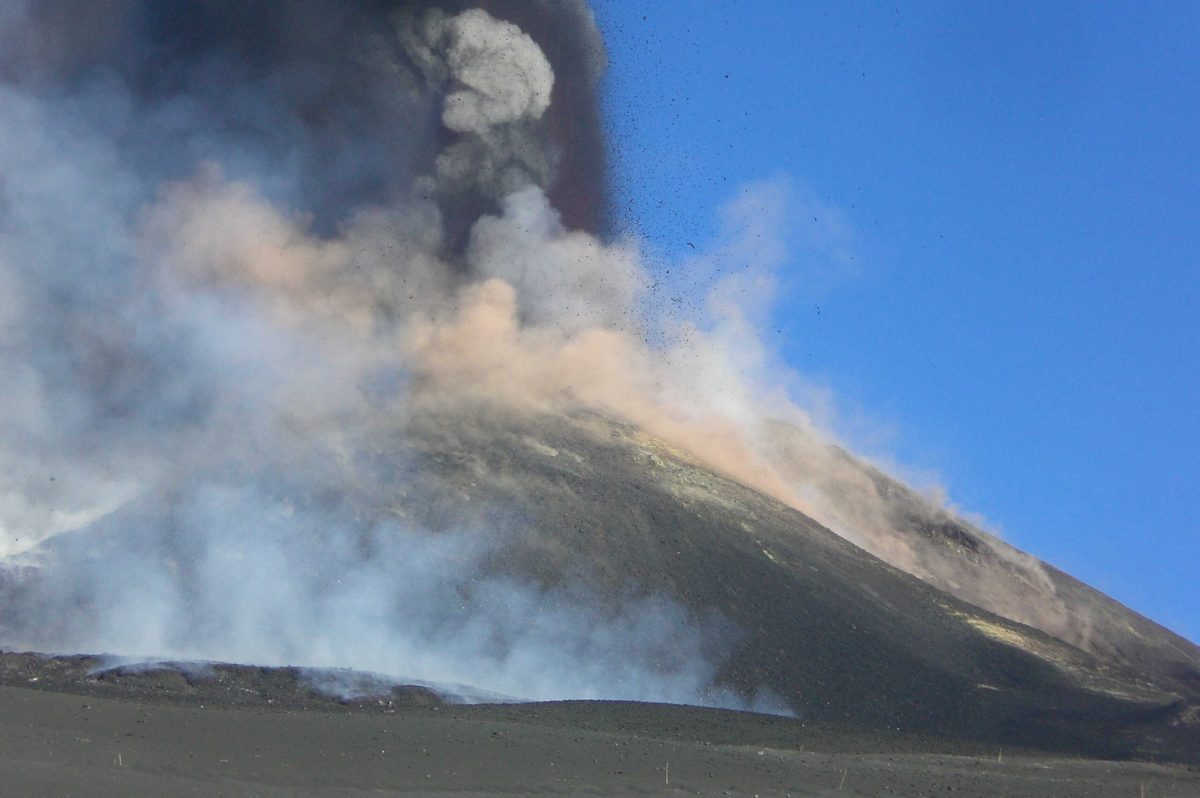
- Airport closures due to volcanic ash, wind, or wind shear
Some of these make sense. No one expects an airline to pay up because a volcano erupted. But others are fuzzier. "Unscheduled maintenance" could cover a lot of ground, and "medical emergencies" might include a passenger who simply feels faint. The administration argues the rule will save airlines money, which they might pass on to travelers in other ways. But consumer advocates aren't buying it.
What This Means for Passengers
Clint Henderson, managing editor at The Points Guy, told Nexstar that travelers need to become their own advocates. "If the airline tells you it's 'mechanical' or 'operational,' you're going to need to do more research," he said. "Ask exactly what the issue is and document everything. Save emails and take screenshots. Save receipts. Don't accept vague language."
His advice is blunt: fight for yourself. Ask for what you want, even if the answer is no. That's a far cry from the Biden-era rules that made airlines automatically rebook passengers and provide meals for delays over three hours. The new rule gives carriers more wiggle room, and they'll likely use it.
For now, the Department of Transportation's dashboard still shows which airlines offer what compensation. But after October 19, that dashboard might look very different. Airlines could update their policies to exclude the ten new categories, leaving passengers with fewer options.
If you're planning to fly, especially on a tight connection or with a low-cost carrier, it's worth checking the fine print. And if you're already dealing with a disruption, document everything. Screenshot the delay, save your boarding pass, and keep every receipt. You might need them.
This isn't the only change shaking up air travel. Jet fuel prices are forcing airlines to rethink their winter schedules, and some carriers are handling it better than others. The key is to stay informed and be ready to push back when your rights are at stake.