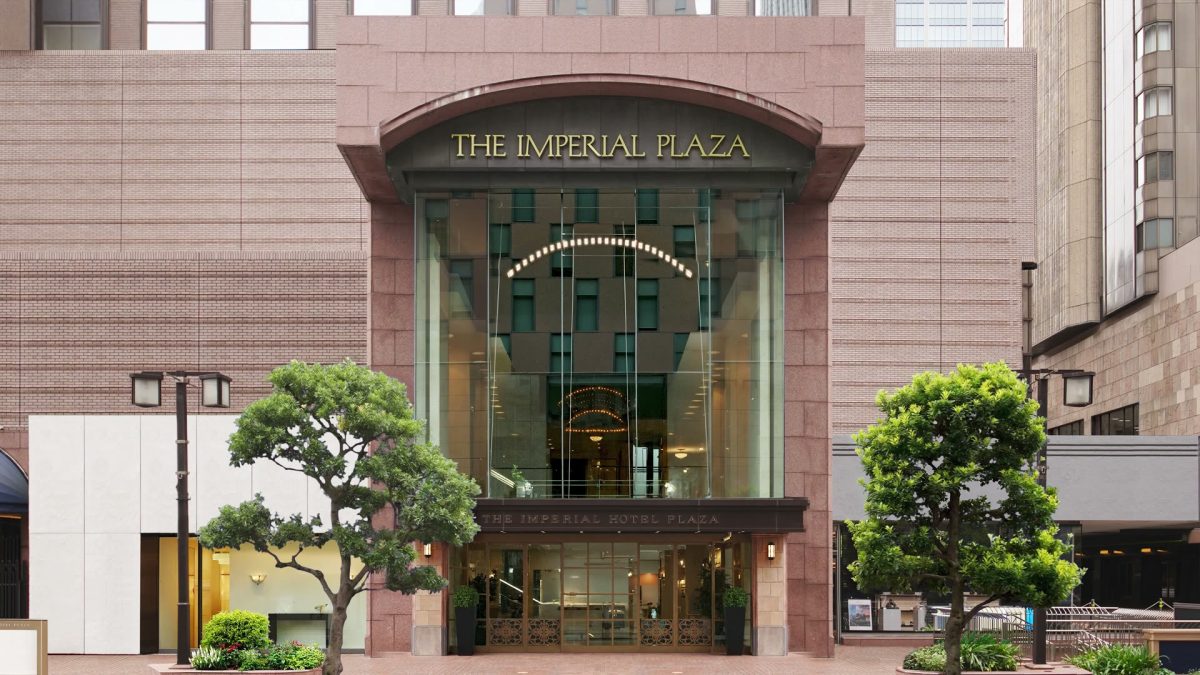
Tokyo's Imperial Hotel Plaza has been a luxury shopping landmark since 1983. But by 2027, its marble corridors will echo with something entirely different. The building, slated for demolition in 2031, will spend its final years as a living art project called Not a Museum.
The concept comes from hospitality brand NOTA and Tokyo creative collective SKWAT, the team behind the SKWAT Kameari Art Centre. Together, they plan to fill the first four floors with rotating installations, performances, and works in progress. The core idea is culture in the making, where visitors watch artists create rather than admire finished pieces.
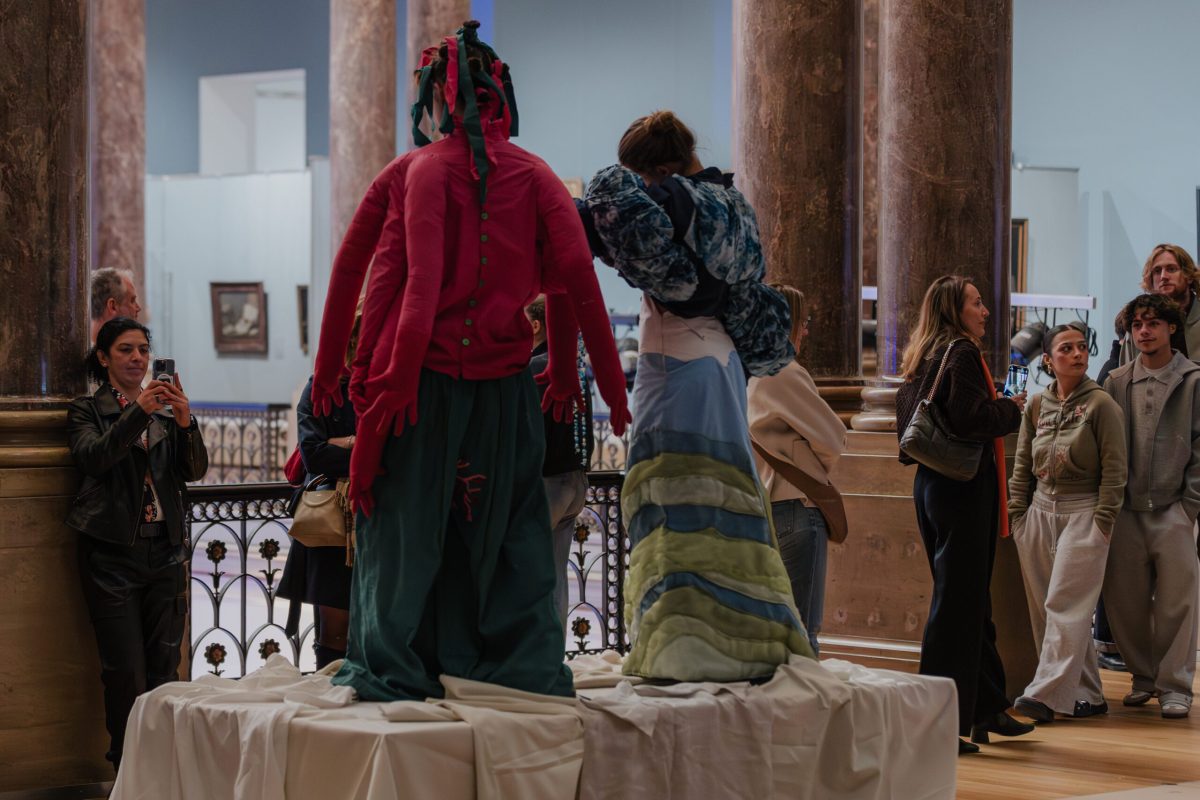
This is not a traditional gallery. Think of it as an open studio, a rehearsal space, a workshop. The organizers want to highlight the process, the messy and thrilling act of creation. Expect music sessions, film screenings, fashion showcases, and book corners, all evolving throughout the building's final years.
The project is part of NOTA's broader Not a City initiative, which finds temporary uses for vacant Tokyo spaces. Another venture, Japa Valley Tokyo, will transform a plot near Yurakucho Station into a food and culture hub starting in 2027, with Pharrell Williams and Nigo as creative advisors. That project will feature KAWS artworks and pop-up stores across a hectare of land.
For travelers, this is a rare chance to see a landmark in transition. The Imperial Hotel Plaza sits in the heart of Tokyo, near the Imperial Palace and Ginza. While the building awaits its fate, the cultural complex will run from summer 2027 until 2031, offering a rotating lineup of events. The exact artists and schedule have not been announced, but the promise of an ever-changing program is part of the appeal.
Tokyo is no stranger to reinvention. The city constantly tears down and rebuilds, often leaving gaps that become creative playgrounds. Not a Museum fits that pattern, turning a waiting period into an opportunity. It also echoes the city's broader push toward experiential travel, where visitors seek out moments rather than monuments.
If you are planning a trip to Tokyo, keep an eye on this space. It could become one of the most talked-about cultural venues in the city, a place where you might stumble upon a live painting session or an impromptu concert. And if you are curious about other ways Tokyo is evolving, check out how robot workers are changing the airport experience or how the city is cracking down on tourist rentals in its neon heart.
The Imperial Hotel Plaza's transformation is a reminder that even in a city that never stops moving, there is time for reflection. Not a Museum will not just fill empty space. It will celebrate the act of creation itself, giving visitors a front-row seat to the messy, beautiful process of making art. And when the building finally comes down, the memories of those creative moments will linger long after the dust settles.