Dreaming of owning your own island? A remote Scottish isle called Hildasay is now on the market for £350,000 (about €414,000). It sits off the west coast of Shetland, the archipelago north of mainland Scotland, and covers roughly 108 hectares of wind-swept, sea-girt land. The price tag buys you a traditional stone bothy, a small pier, and the kind of solitude that most of us only glimpse in movies.
But before you start planning your hermit life, consider the practicalities. The bothy is simple, with a living area warmed by a solid-fuel stove, a raised sleeping loft, and a bathroom with a shower and toilet. There is no connection to the national grid. The previous owners relied on a small wind turbine and a diesel generator, so you would need to sort out your own power supply. If you want to upgrade the building, you will also need planning permission from the local council. Off-grid living is not optional here, and that is part of the charm for the right buyer.
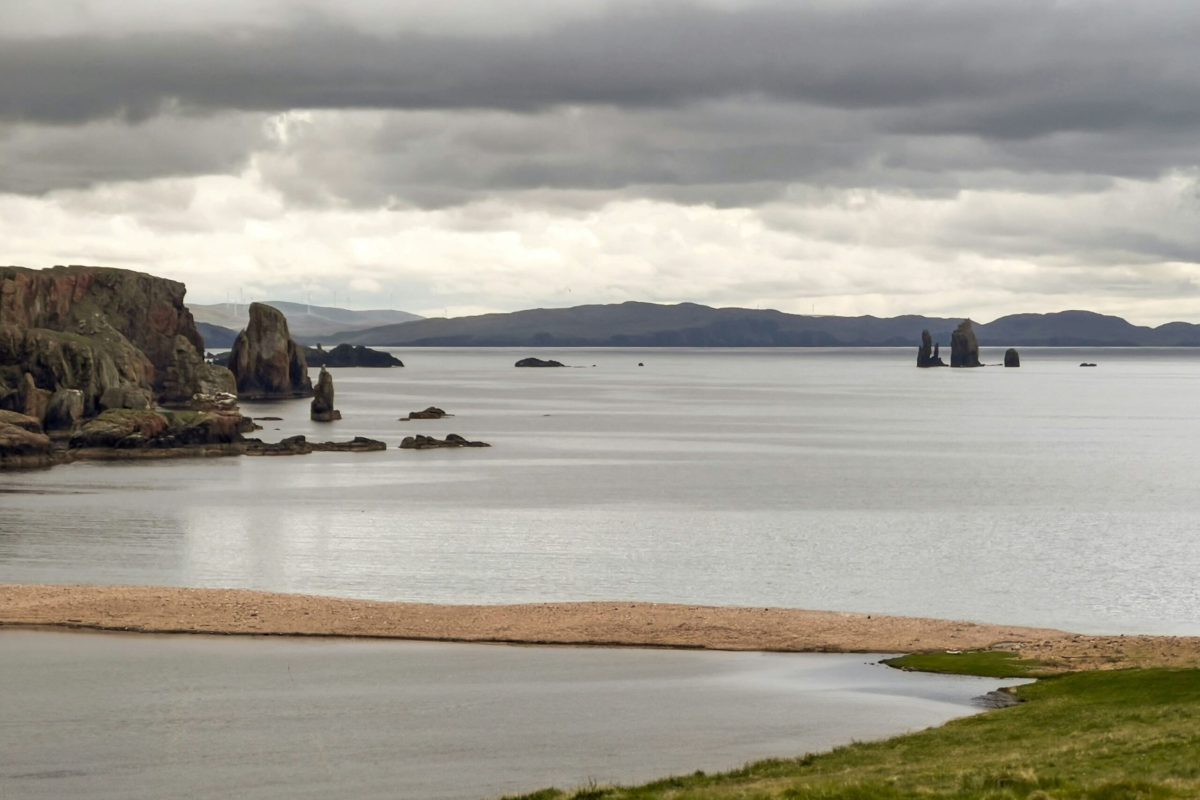
The island itself is a raw, unpolished gem. Its coastline is rugged, with two freshwater lochs and gently rising ground that peaks at about 32 metres. From the top, you get uninterrupted views across the North Atlantic and the neighbouring islands. Birdlife shifts with the seasons, and the shores are prime spots for spotting seals, otters, and a variety of seabirds. As the estate agent Kelvin Anderson puts it, the island's scale and unspoilt character create a genuine sense of escape. The landscape is the real selling point, not the modest accommodation.
Hildasay has a fascinating past. In 1891, around 30 people called it home, and they made a living from granite quarrying and herring curing. Workers extracted the island's distinctive red-green granite and hauled it to the harbour on a purpose-built railway. Some of that stone reportedly ended up as far away as Australia. Today, you can still see abandoned granite blocks and the faint traces of the railway, a ghostly reminder of a busier era. The island's story took a more personal turn in 2020, when Chris Lewis, a man walking the entire UK coastline, was stranded by the pandemic. He was given permission to stay in the bothy with his dog Jet for three months, an experience he later wrote about in his book Finding Hildasay. That book brought the island a wave of attention, and now it is on the market again.
Hildasay is not the first Scottish island to go up for sale, and it likely won't be the last. In 2022, Pladda was listed for €350,000, complete with a five-bedroom house, a helipad, and a 1790s lighthouse, though it needed serious renovation. A year earlier, Càrn Deas in the Summer Isles was advertised for just €59,000, but it had no housing, water, or electricity. These listings show that the asking price is only the beginning of the story. Buyers need to factor in transport, utilities, and the sheer logistics of living somewhere so remote.
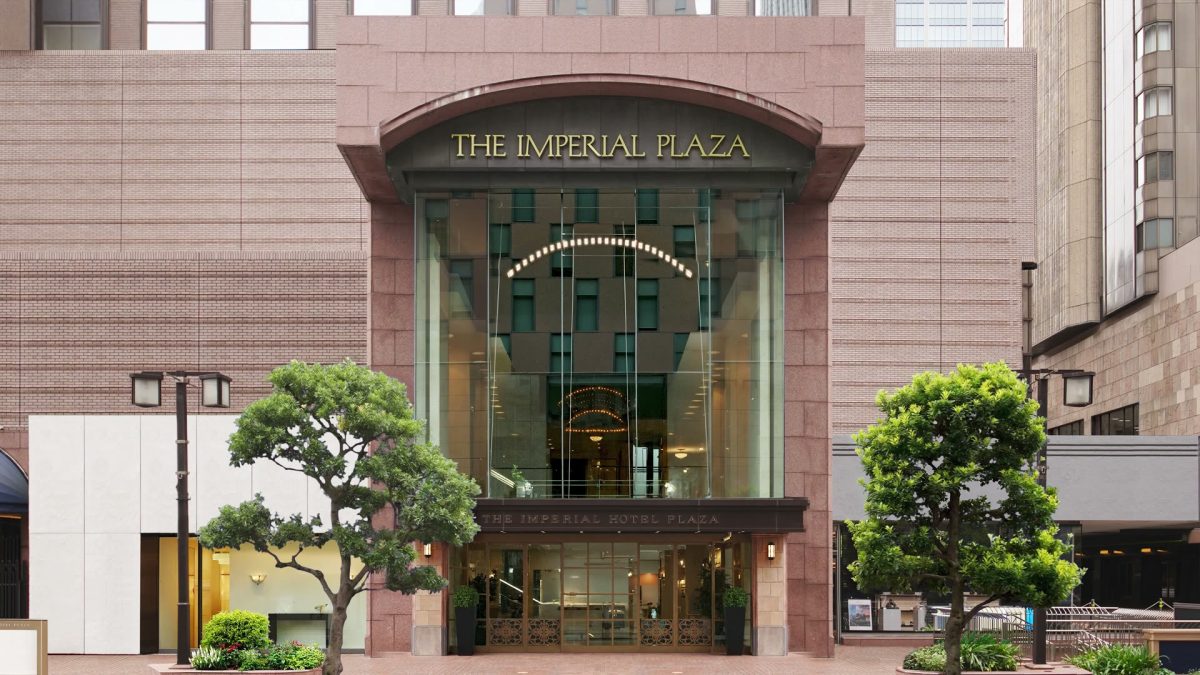
If the idea of island life appeals to you, but you are not ready to go full Robinson Crusoe, there are other ways to get your fix. For instance, a Scottish island just closed its ferry one day a week, a move that has sparked plenty of debate about the balance between tourism and local life. Or you could explore an entire Irish village that hit the market for €20 million, a different kind of rural escape. And if you are more interested in urban adventures, Tokyo's iconic Imperial Hotel Plaza is becoming a living art experiment, proving that transformation comes in many forms.
For now, Hildasay waits for a buyer who is ready to trade convenience for a life shaped by the tides. It is a rare chance to own a piece of Scotland's wild edge, but it is not for the faint of heart. You will need to be self-sufficient, resourceful, and comfortable with the sound of wind and waves as your constant companions. If that sounds like your kind of paradise, the island is ready for its next chapter.