Pack your bags with fresh optimism. Three of America's most iconic national parks are loosening restrictions this summer, handing back a chunk of spontaneity to road-tripping travelers. Arches in Utah, Glacier in Montana, and Yosemite in California are all eliminating their timed entry and advance reservation requirements starting in 2026.
The shift reflects a broader federal push to expand public access to America's natural treasures. Kevin Lilly, acting assistant secretary for Fish, Wildlife and Parks, put it plainly: "Our national parks belong to the American people, and our priority is keeping them open and accessible." The parks aren't throwing caution to the wind, though. Each is swapping rigid reservation systems for real-time crowd management, a move designed to keep visitor flows steady without locking people into predetermined time slots.
Arches goes after-hours
Utah's Arches National Park is abandoning timed entries entirely. The park's landscape reads like something from another planet: over 300 million years of underground salt movement, tectonic shifts, and relentless erosion carved more than 2,000 natural sandstone arches into existence. Outside magazine nailed it, calling the place "less a park and more a sandstone sculpture garden of sunset-hued arches and domes that look like they were carved by some alien magic."
Without timed slots, the Park Service is asking visitors to show up early and wander the quieter corners during peak hours. There's a bonus perk: Arches is an International Dark Sky Park, making evening visits especially rewarding. If you time it right, you'll catch the arches glowing under unpolluted starlight.
Glacier shifts toward smart traffic flow
Glacier National Park, perched at the top of the continent's watershed, is dropping its park-wide vehicle reservation system. The payoff for visitors: more flexibility. The tradeoff: targeted management in high-traffic zones. The park's Going-to-the-Sun Road, a breathtaking 50-mile drive, will still see active vehicle management. Logan Pass, the road's alpine centerpiece, will have parking limits and may temporarily reroute vehicles if safety thresholds get hit.
Starting July 1, shuttles become your best friend for reaching Logan Pass. These ticketed shuttles cap parking stays at three hours, a system that's already been proven to work without forcing everyone to book months ahead. With 700 lakes, over 200 waterfalls, and 1,120 kilometers of trails across the park, you'll find untamed beauty whether you're sitting in traffic or hiking off the main corridor.
Yosemite opens up its peak season
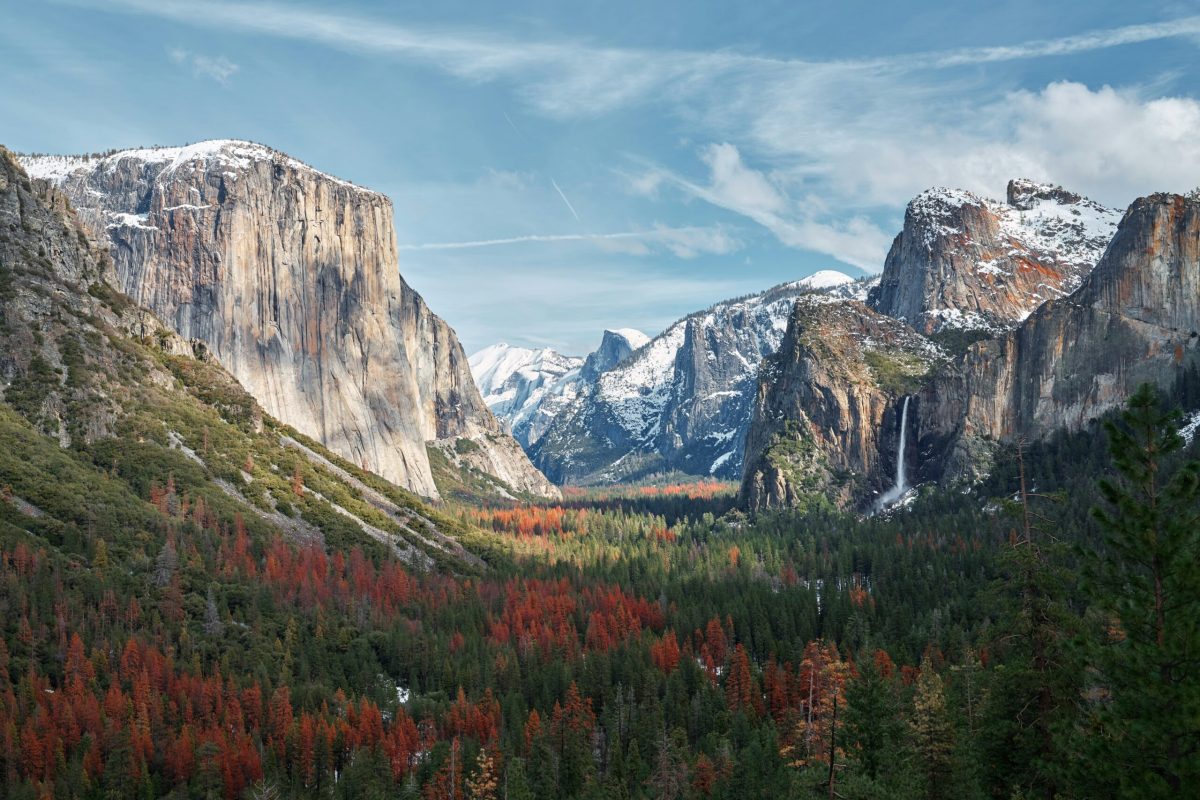
Yosemite's announcement might spark the most excitement. Visitors no longer need advance reservations, even during the brutal summer crush or the fleeting February-to-March "firefall" period when Horsetail Fall briefly glows like lava at sunset. That's genuine freedom for road-trippers and last-minute adventurers.
Real-time traffic management takes over instead. When parking lots hit capacity, the park will deploy temporary diversions and shuffle visitors to alternative lots. Extra seasonal staff will fan across high-traffic zones to keep things running smoothly. It's a different beast from old-school reservations, but the end goal remains the same: get you safely into one of the world's most recognizable landscapes.
What this actually means for your trip
Before you celebrate the death of advance bookings, understand what's really happening. These parks aren't going reservation-free because congestion magically disappeared. They're replacing rigid systems with flexible, real-time tools. You'll still encounter crowds. Parking will still fill up. The difference is you won't need to guess your arrival time weeks in advance.
Show up early. Explore lesser-known trails. Visit during shoulder seasons or at odd hours. The parks are betting that looser rules combined with smarter on-the-ground management will create a better visitor experience than gatekeeping entry slots ever did.
All three parks reserve the right to tighten restrictions again if conditions require it. Think of 2026 as a grand experiment in trust, where the Park Service believes better staffing and real-time monitoring beat bureaucratic reservation systems. After years of lottery entries and advance planning, that sounds like breathing room worth celebrating.