The Arabian Gulf just became one of the world's most complicated places to take a vacation. Following escalating military strikes between the US, Israel, and Iran, cruise lines operating in the region have made the difficult decision to halt sailings, reroute itineraries, and keep passengers aboard their ships for safety. What was supposed to be a relaxing getaway has turned into an indefinite waiting game for travelers caught in the crossfire.
Ships on Lockdown Across the Region
TUI Cruises made headlines by keeping passengers aboard the Mein Schiff 4 in Abu Dhabi and Mein Schiff 5 in Doha, suspending planned shore excursions and cancelling early March sailings entirely. The cruise line issued a statement saying it's "monitoring the situation very closely" and maintaining contact with relevant authorities, parent companies TUI AG, and Royal Caribbean Group.
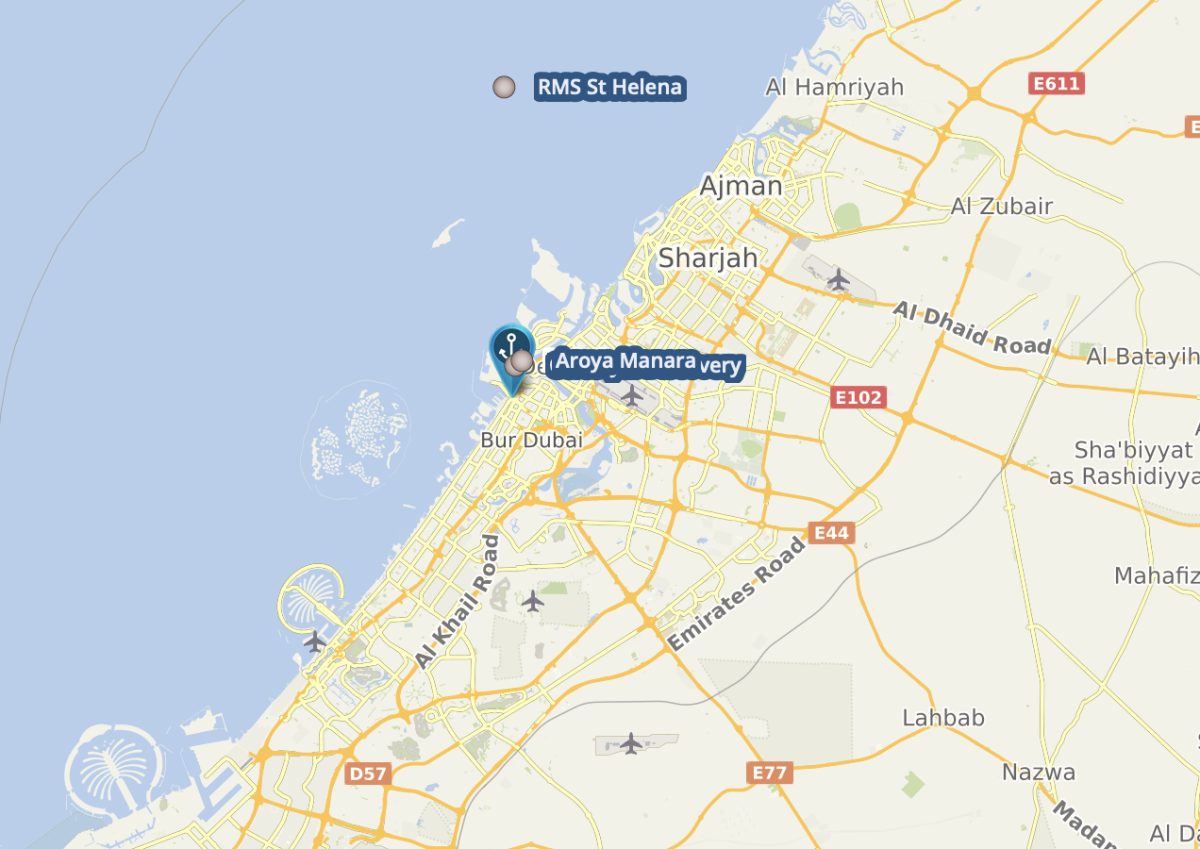
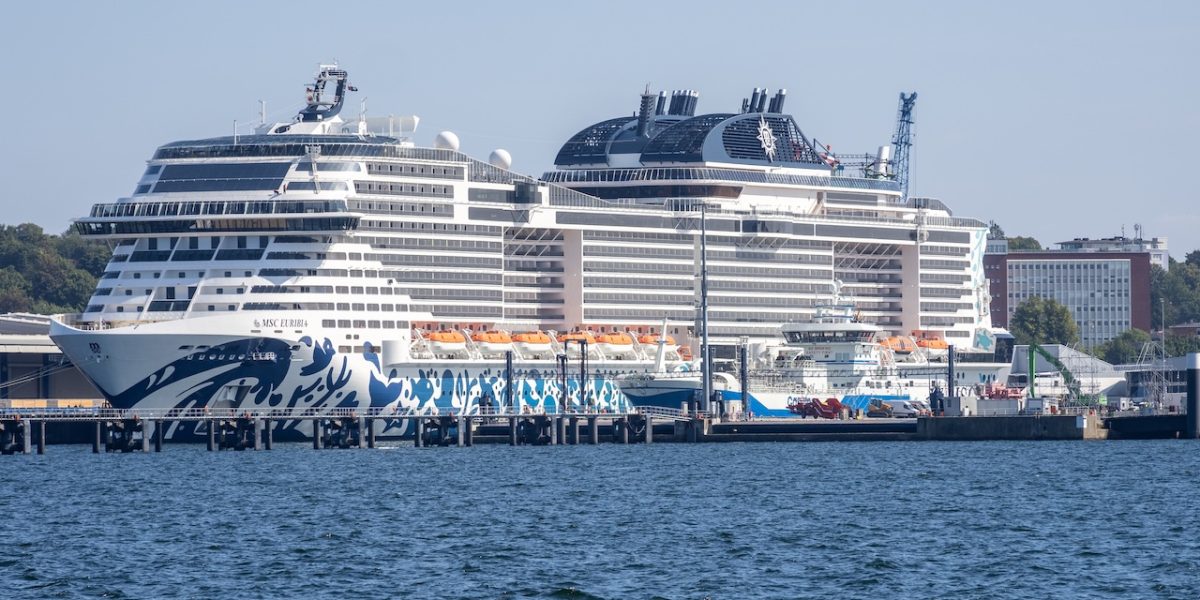
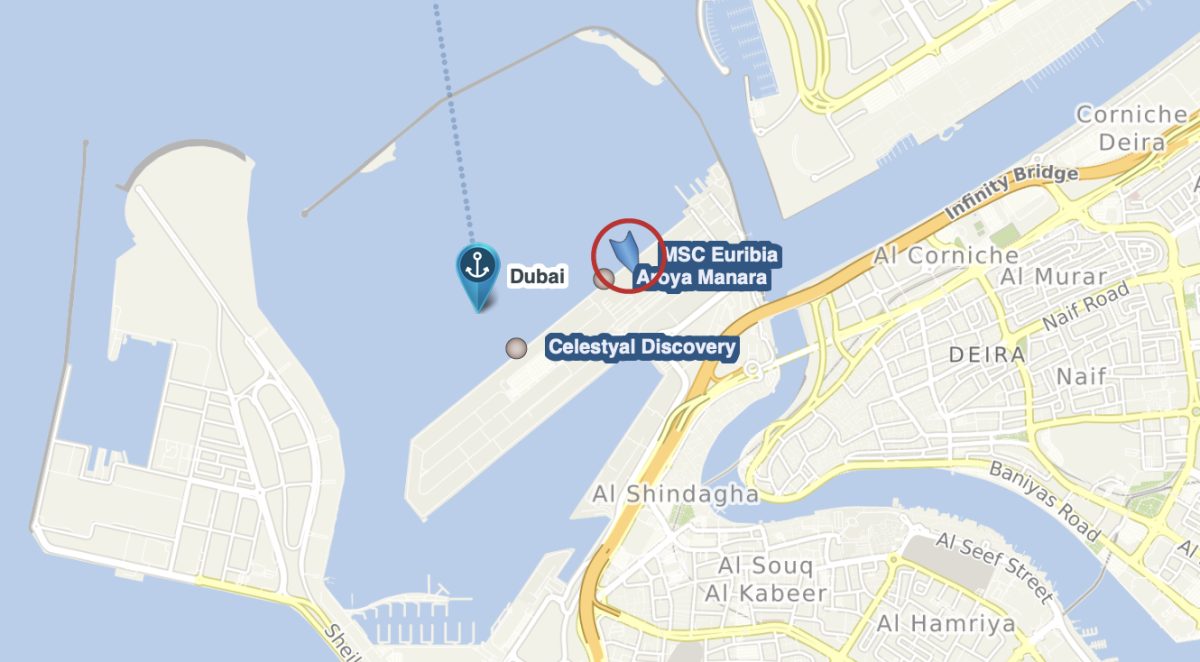
Dubai has become an improvised holding zone for multiple vessels. MSC's Euribia and Celestyal Cruises' Discovery are both anchored at Dubai port under what officials describe as a safety agreement with local authorities. Passengers are allowed to leave the ships but are strongly advised to stay within the cruise terminal area. Meanwhile, the Celestyal Journey is sheltering in Doha, though tracking data suggests it may be operating near the Iranian coast at Asaluyeh.
Aroya Cruises' single ship, the Aroya Manara, arrived at Dubai's Port Rashid on February 28. The company released a statement emphasizing that "the safety of our guests is our absolute priority," but offered no concrete timeline for departure.
When Thousands Get Stranded
The ripple effects extend far beyond cruise terminals. Drone attacks and missile strikes throughout the gulf region have forced widespread airspace closures and flight cancellations. Thousands of holidaymakers, including cruise passengers, find themselves essentially trapped. Governments are advising travelers to shelter in place on their ships or at other accommodations, stay away from windows, and follow crew instructions closely.
Passengers are told to stay informed through consular alerts and cruise company updates, but for many, the waiting is agonizing and the information sporadic. Commercial aviation has been severely disrupted, meaning those stranded can't simply fly out.
Even the Famous Are Stuck
The situation has affected everyone from government officials to former beauty queens. Italy's Defence Minister Guido Crosetto found himself stranded in Dubai, where he had arrived for a family holiday weekend, after ITA Airways suspended all flights to and from the city until at least Sunday. Former Miss France Elodie Gossuin posted a tearful video on social media after witnessing intercepted missiles and drone strikes near her location. She pleaded for advice on the safest places to shelter with her husband and children, describing the terrifying uncertainty of not knowing whether nearby explosions would escalate.
What Travelers Should Do Now
If you're currently booked on a cruise in the Arabian Gulf, contact your cruise line immediately for the latest updates on your specific sailing. Don't rely solely on news reports; official company communications will contain details about cancellations, reroutes, and rebooking options. Sign up for consular alerts from your home country's embassy or consulate.
For those currently stranded, follow all official guidance from ship crews and local authorities. The situation remains fluid, and conditions can change rapidly. Keep your phone charged, maintain contact with family, and avoid speculation about military developments. Focus on what cruise lines and authorities are actually saying, not social media rumors.
The situation underscores just how quickly global events can upend travel plans. While the Arabian Gulf remains one of the world's most visited cruise destinations during winter months, conditions have made it unsafe to operate normally. Until tensions ease and airspace reopens, expect further disruptions to sailings throughout the region.