There's a seductive math to mass tourism. More arrivals equals more revenue, right? Not really. And the places learning this fastest are rewriting the playbook entirely.
The trap has a name now. It's called the Footfall Trap, and it works like this: hordes of visitors swarm a destination, the site becomes crowded, visits turn rushed, spending drops to pocket change, and locals see almost none of the benefit. The math doesn't work. Quality always trumps quantity.
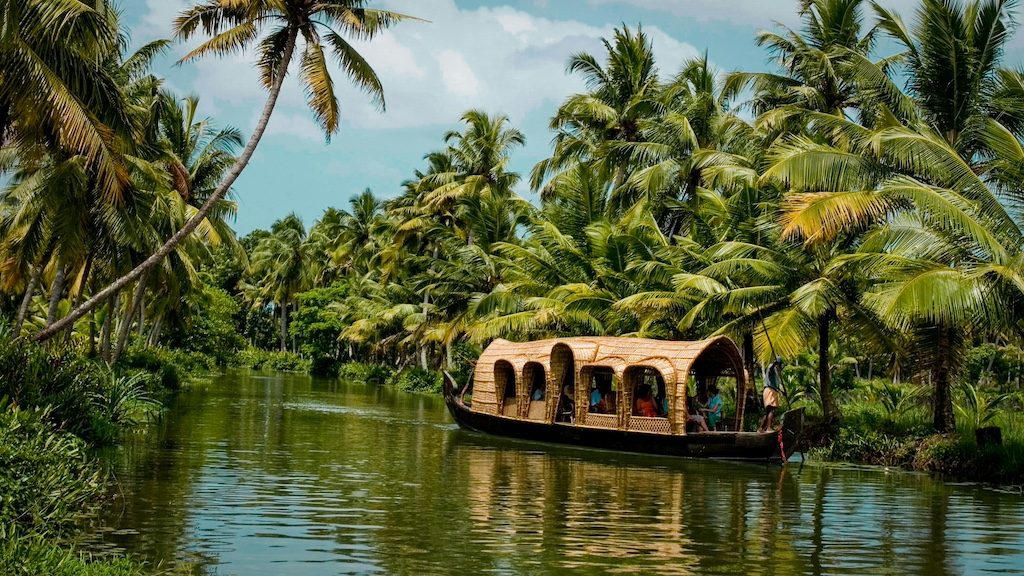
Consider Kerala's Responsible Tourism strategy, which reshaped the region's entire approach since 2008. The state deliberately rejected the volume game. Fewer travelers arrived, but they stayed longer, spent more, and engaged meaningfully with the culture. The result: genuine income for locals, thriving communities, and a destination that actually improved rather than degraded under visitor pressure.
This isn't theory. It's happening across the map. When Antigua and Barbuda's leadership looked at their numbers, they realized something troubling. Tourism was generating revenue, sure, but it wasn't lifting people out of poverty. So they shifted the entire product upmarket, weaving culture directly into the visitor experience. Return visitors climbed. Spending jumped significantly. Local salaries rose. The destination's reputation strengthened. By choosing value over volume, they built something sustainable.
But the warning signs are everywhere. Tulum promised low-density, natural, intentional development. What actually happened was marketing that ran far ahead of infrastructure. Tourism revenue soared. So did resident costs. No single person caused the disaster. But nobody stopped it while they were still making money, either.
Oorva, a platform curating intangible heritage experiences, is building a different model altogether. Their approach gives hosts complete control and keeps 100 percent of earnings, while travelers get authentic, structured access to lived culture. There's no shortcut to profit; the goal is genuine exchange.
The Scotland case is instructive. Justin Francis documented what happened in Applecross, a remote community in Northwest Scotland accessed only by two routes, one a narrow alpine pass. Nobody asked the residents before the area got swept into the NC500 driving route and its marketing blitz. Day-trippers and motorhome users flooded in, left little money, and created chaos on fragile infrastructure.
The solution isn't mysterious. Communities must be asked, properly, before they end up on the map. When private marketing entities promote a place, residents should have the legal right to opt out. Applecross didn't consent to its fame. It shouldn't have to stay famous either.
Here's the hard question every destination needs to ask itself: Will we use tourism, or will tourism use us? Kerala's villages rebelled and won. They chose to steer the ship rather than get swept along. That's the difference between a place that thrives and one that burns out.
The best travel experiences don't require crowds. They require intention, respect, and a real desire to understand another way of living. That's what moves the needle for both visitors and the people who call these places home.