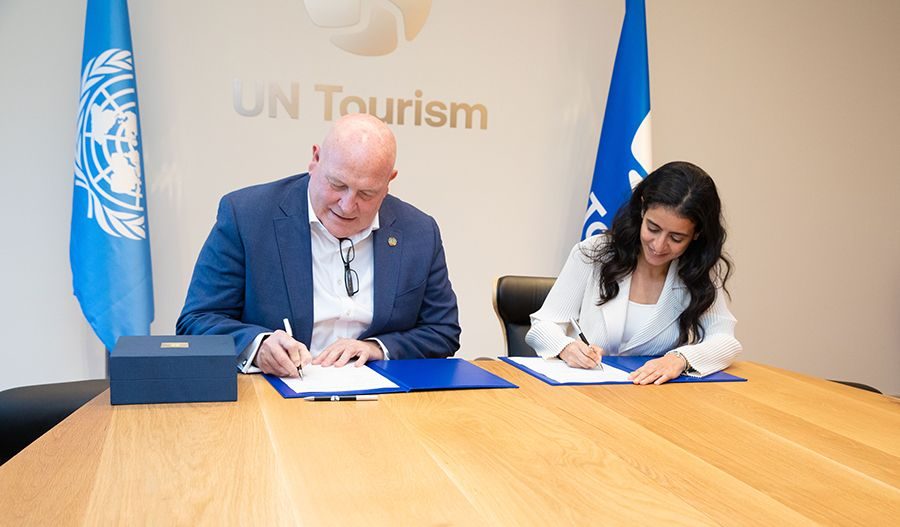
Tourism is supposed to open doors. So why are so many of them slammed in women's faces? A new joint report from UN Tourism and the International Transport Workers' Federation pulls back the curtain on a problem the industry has largely ignored: the shocking gender imbalance across every corner of tourism transport.
The Global Report on Women in Tourism Transport marks the first time anyone has assembled sex-disaggregated data across air, land, and water passenger transport. What it reveals is both startling and depressing.
The numbers tell an uncomfortable story
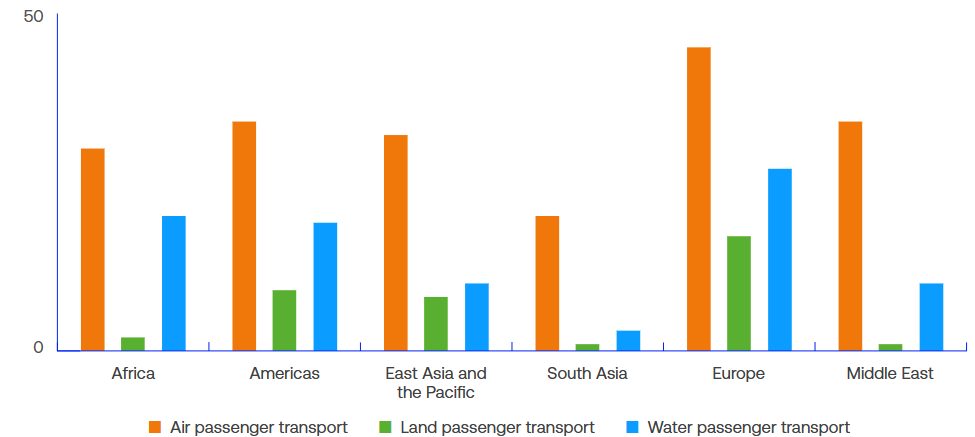
In aviation, women make up 36 percent of the workforce. Sounds halfway decent until you learn that only 6 percent of pilots are women. Meanwhile, the airline industry accounts for just 2 percent of all tourism transport jobs anyway.
Water transport is worse. Women represent only 12 percent of workers in cruise ships and ferries. But the real crisis? Land transport, which dominates tourism with 96 percent of all jobs in the sector. And there, women hold just 3 percent of positions. Bus drivers, coach operators, shuttle staff, ground coordinators. The overwhelming majority are men.
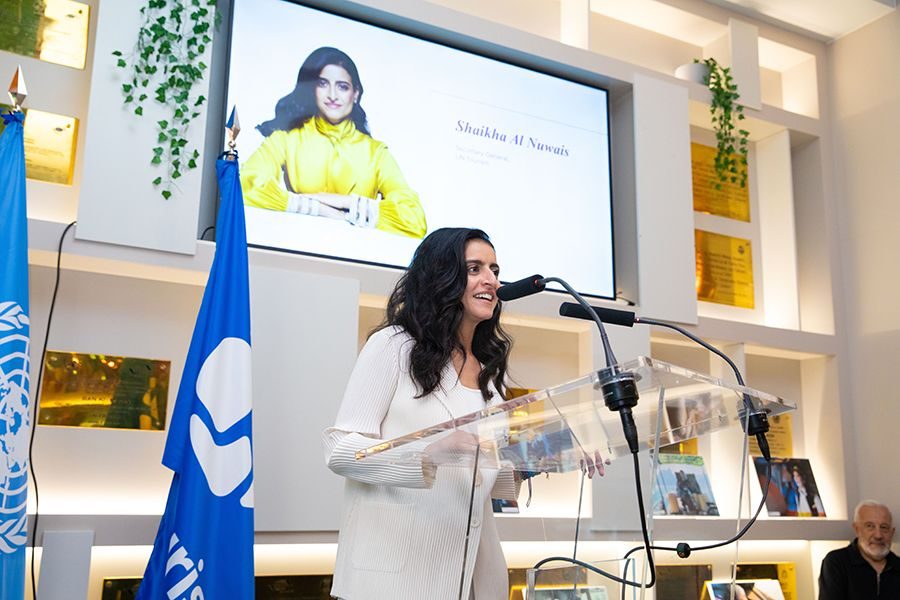
"Tourism is meant to connect people and open doors," UN Tourism Secretary-General Shaikha Al Nuwais said. "Yet in every part of tourism transport, too many doors remain closed to women."
Why women are vanishing from these jobs
The barriers aren't subtle. Women in tourism transport face harassment and gender-based violence on the job. Many workplaces lack basic sanitation facilities designed for women. Career advancement is nearly impossible when leadership roles are occupied almost entirely by men. Safety concerns, both physical and social, keep talented women out of the sector entirely.
The research shows that legal frameworks, corporate culture, and systemic inequality all conspire to keep the industry male-dominated. It's not an accident. It's architecture.
A roadmap that actually goes somewhere
Rather than just documenting the problem, UN Tourism and ITF proposed five concrete areas for change. Gender-responsive laws and corporate policies need to create real institutional support for women. Workplaces must guarantee safety, health, and dignity, including harassment-free environments and proper facilities. Education and training programs should actively recruit and develop female talent for leadership roles. Companies need to measure and monitor progress instead of relying on good intentions. And industry partners, governments, and unions must collaborate rather than work in silos.
ITF General Secretary Stephen Cotton made it clear this isn't the end of the discussion. "Launching this report is not the end of the story, it is the beginning," he said. The hard part now is turning evidence into action. That means holding employers accountable, updating policies that entrench inequality, and creating pathways for women to enter roles from which they've been systematically excluded.
The tourism industry talks constantly about sustainability and responsibility. But it can't claim to be responsible while half the population is locked out of half the jobs. The report provides the data. The companies and governments now have no excuse.