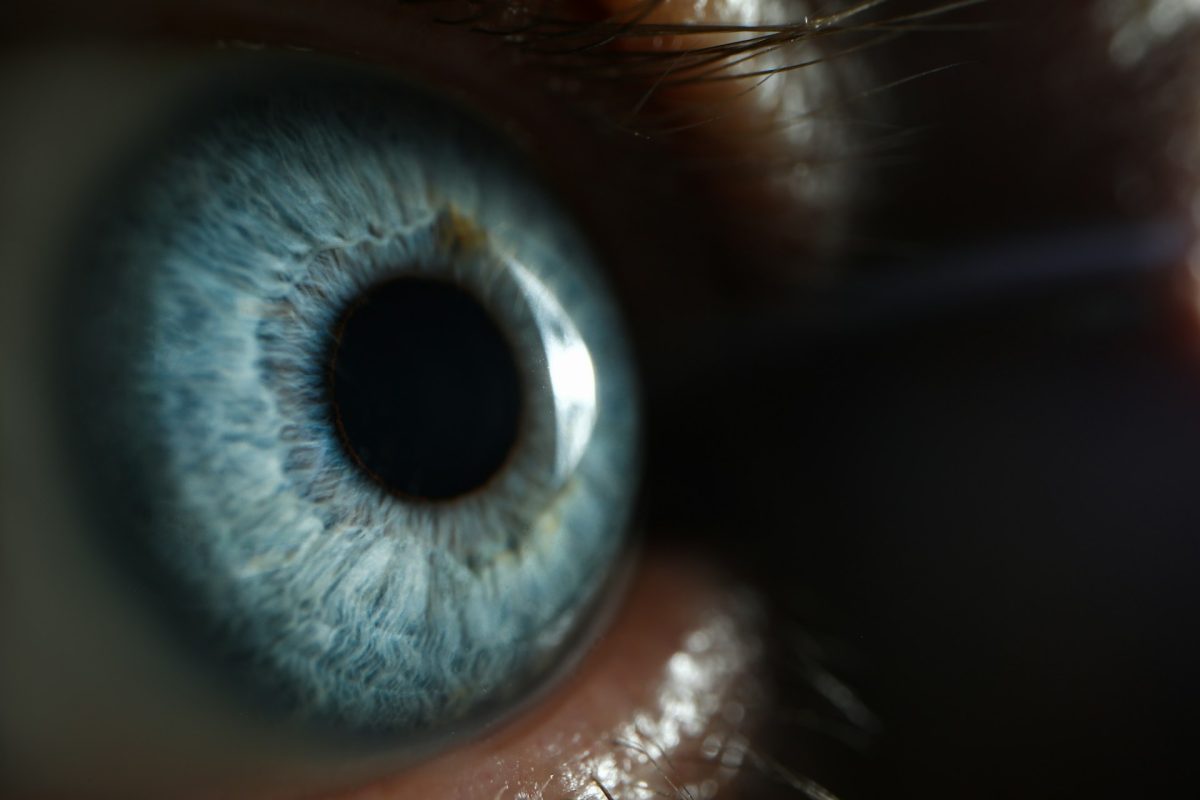
Step onto Buton Island in Southeast Sulawesi, and you'll notice something immediately arresting about certain residents. Some locals display a feature so uncommon in Indonesia it stops travelers in their tracks: blazingly bright blue eyes that seem almost luminous against their darker complexion and hair. Online photos of Butonese families with these striking eyes have circulated widely in recent years, sparking curiosity and wild speculation about their origins.
The island itself sits off the southeastern peninsula of Sulawesi, home to the Butonese people, an ethnic group whose identity has been shaped by centuries of seafaring and maritime trade across the Indonesian archipelago. This position along ancient shipping routes would later fuel romantic (if historically dubious) theories about the source of their distinctive appearance.
A Genetic Puzzle Named Waardenburg
The scientific explanation is far more elegant than local legend. Those penetrating blue eyes belong to individuals carrying Waardenburg syndrome, a rare genetic condition affecting pigmentation. The condition manifests in various ways: some people display two intensely blue eyes, while others show heterochromia, meaning one blue eye paired with one brown eye. Beyond eye color, the syndrome can also produce lighter patches of skin or hair and, in some cases, congenital hearing loss.
Globally, Waardenburg syndrome affects roughly one in 40,000 people. The condition exists in several distinct types, and symptoms vary considerably from person to person. What makes Buton particularly notable is the concentration of cases documented within certain families on the island, attracting international attention through photographs distributed by Pacific Press Agency.
The genetics behind the condition involve several different genes, and in some forms, inheritance follows an autosomal dominant pattern. This means an affected parent has about a 50 percent chance of passing the genetic variant to each child. However, blue eyes are not a widespread feature among the entire Butonese population, they appear sporadically among specific individuals and families across the island.
The Portuguese Sailor Legend
Before modern genetics provided answers, the island's blue-eyed residents inspired romantic origin stories. Local accounts speak of Portuguese sailors and traders who arrived during the spice trade era, with tales of marriages between visiting Portuguese merchants and members of Butonese society. One persistent story claims a Butonese princess married a Portuguese sailor, producing descendants with European features.
While such tales make for compelling storytelling, contemporary scientific understanding points firmly to Waardenburg syndrome as the explanation rather than European ancestry. That said, Buton's role in historical maritime networks across Southeast Asia and beyond remains historically significant, reflecting the island's position as a crossroads of cultures and commerce.
More Than a Genetic Curiosity
Buton covers approximately 4,727 square kilometers, making it one of Indonesia's larger islands. The 2020 census recorded roughly 415,000 people across the administrative areas spanning the island, with much of the interior remaining relatively sparsely populated compared to Indonesia's major urban centers. The Butonese have long been known as accomplished sailors and traders, a heritage that extends far beyond the genetic trait that has captured global attention.
The island's cultural fabric includes distinct languages, weaving traditions, family rituals, and Islamic customs that continue to anchor communities today. Traditional clothing and practices remain integral to daily life across Buton's villages and towns. When travel writers focus solely on the eye color phenomenon, they risk missing the richer story of a people whose identity encompasses centuries of seafaring expertise, artistic traditions, and close-knit social structures.
Indonesia as a whole represents one of the world's most genetically and culturally complex nations, spanning thousands of islands and hundreds of ethnic and linguistic groups. As global travel expands to new destinations, places like Buton offer opportunities to engage with genuine cultural diversity rather than merely observe novelty. The island's blue-eyed residents serve as a living reminder that human variation, whether genetic or cultural, deserves respect and deeper understanding rather than reduction to a single striking feature.