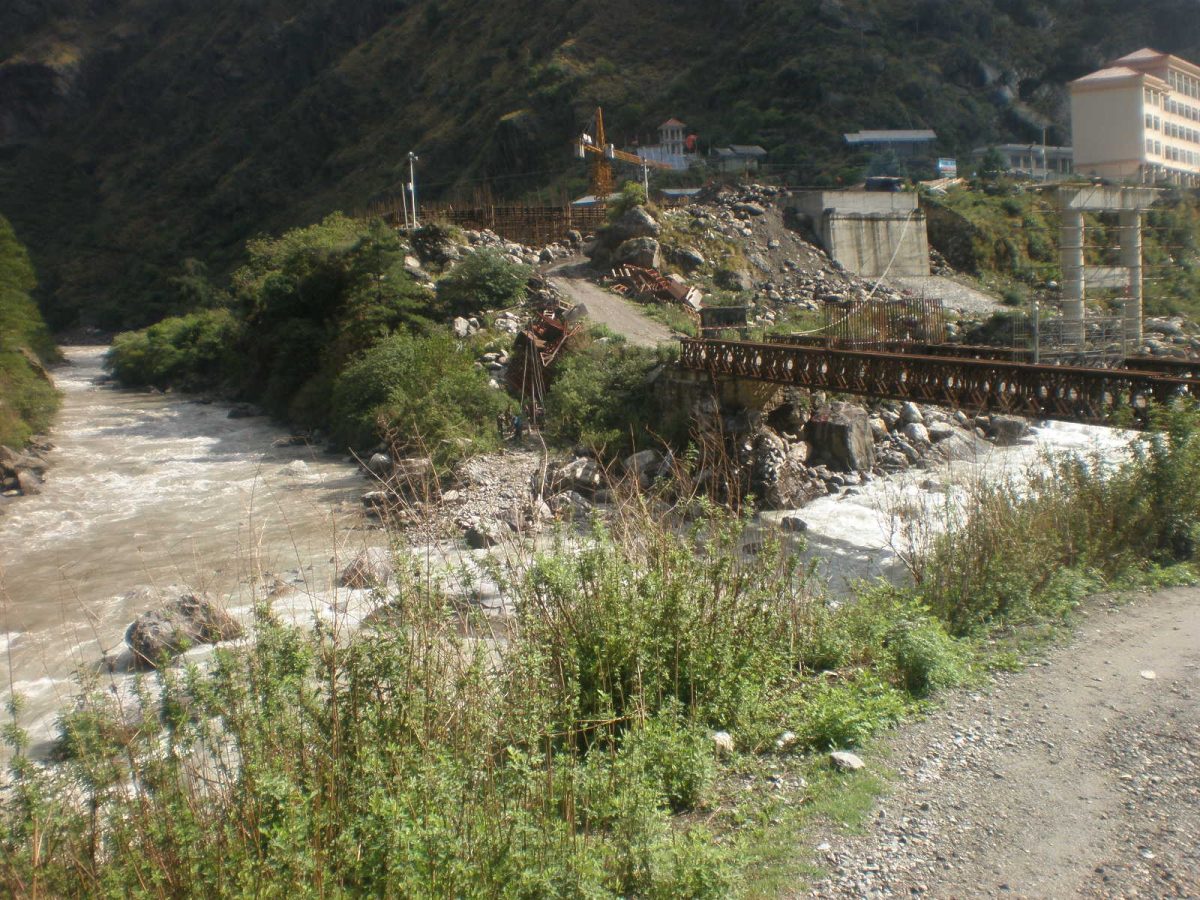
On what started as an ordinary day in the Himalayan foothills, the ground itself became deadly. A massive wall of mud, rock, and debris tore through the Nepal-Tibet border region without warning, swallowing roads, bridges, entire villages, and the people caught in its path. Initial reports pointed to an earthquake, but geologists from the United States later confirmed what actually happened: a colossal landslide had triggered a chain reaction of catastrophic flooding along the Bhote Koshi and Trishuli rivers.
The numbers tell a grim story. At least 162 people confirmed dead. Over 380 travelers missing or unaccounted for. Some experts fear the final toll could exceed 1,000. Among those missing are more than 100 Indian tourists, 54 Americans, 34 Australians, 33 British citizens (including a 13-year-old child), and dozens of Nepalese visitors. At least 28 police officers are also unaccounted for. Chinese state media reported at least three dead and 265 missing on their side of the border.
One witness described the moment to The Guardian as "a huge gush of mud." Survivors clung to trees and rooftops while loved ones vanished into the torrent. Those who lived through it spoke of a fast-moving tide of water, sediment, and debris so powerful that staying alive required scrambling at least six meters up in elevation. Verified videos show the aftermath: dwellings flattened, power lines torn down, roads obliterated, entire border crossings buried. From the air, aerial images reveal villages completely engulfed by the sludge.
This stretch of the Himalayan border draws a steady stream of pilgrims, trekkers, and adventure travelers. Many arrive by bus to visit sacred Hindu and Buddhist sites. Tour operators from multiple countries have confirmed they have missing clients. One Indian tour company reported that one of their buses was swept off a mountain road during the earth movement.
Why Nepal Faces This Risk Every Year
The tragedy did not happen in isolation. Nepal records hundreds of landslides and related deaths annually, a toxic combination of monsoon rains, fragile geology, unregulated construction, and a climate that grows more unpredictable. Experts increasingly point to climate change intensifying both the phenomenon and its devastating consequences. The worst months come during the June to September monsoon season, when water-saturated slopes become powder kegs waiting to collapse.
Embassy staff from the UK, Australia, Finland, France, Norway, Switzerland, and the EU issued a joint statement urging citizens in flooded areas to heed local authorities and official safety warnings. Their collective message carried both solidarity and urgency. The statement specifically named Rasuwa and Nuwakot districts as devastated zones, with surrounding areas continuing to face threats.
What Comes Next for the Region
Even as rescue operations continue, other communities remain on alert. Chitwan, a famous jungle safari destination known for its rare one-horned rhinoceros, Royal Bengal tigers, and gharial crocodiles, is under high flood alert. The cascading effects of this disaster ripple outward, disrupting not just lives but entire tourism ecosystems that depend on the season.
For travelers who dream of exploring Nepal's sacred sites and remote mountain regions, this serves as a sobering reminder that nature in the Himalayas demands respect and careful timing. Current conditions warrant checking with your embassy, monitoring official alerts, and waiting for official all-clear announcements before visiting affected areas. The region will recover. But recovery takes time.