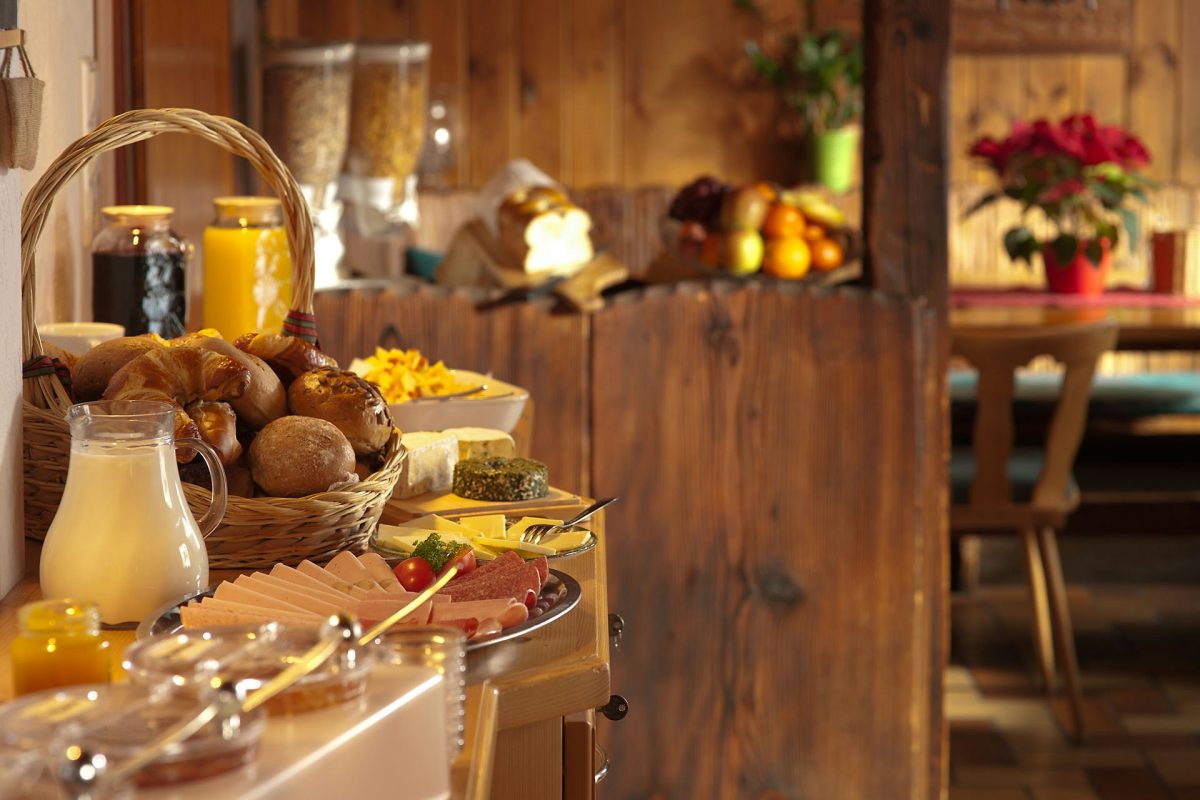
For decades, the free hotel breakfast was a guarantee. You checked into a midscale chain, and there it was waiting for you: the waffle maker, the cereal bar, the mediocre coffee. It became so expected that most travelers stopped thinking about it as a perk and started treating it as a standard part of any room rate. Now, that assumption is crumbling.
Hyatt Hotels is testing the removal of complimentary breakfast at roughly 40 US properties under its Hyatt Place brand. The chain, which operates more than 400 hotels worldwide and built its reputation on included morning meals, has begun offering guests a choice: book a cheaper room without breakfast, or pay extra for a package that includes it. On its website, Hyatt now says breakfast is available at "most" locations rather than all of them. A signal that the old standard no longer applies everywhere.

Who Else Is Rethinking Breakfast?
Hyatt is not pioneering this shift alone. Holiday Inn, owned by IHG Hotels & Resorts, has replaced its traditional made-to-order breakfast at many US locations with a standardized buffet. Travel blogger Gary Leff documented the change: bulk cereals, limited fruit options, and branded baked goods dominate the new menu. The approach cuts costs while maintaining what the company calls "consistency." Leff notes that quality has become unpredictable and that cost-cutting has accelerated dramatically since the pandemic.
Marriott International is experimenting too. Some of its luxury properties now offer loyalty points or discounts instead of free breakfast for certain members. Meanwhile, chains like Best Western continue to champion complimentary breakfast as a differentiator. The result is chaos. Whether breakfast is included now depends on the brand, the specific location, and which room rate you choose.
How Did We Get Here?
The free hotel breakfast became commonplace during the 1980s and 1990s when midscale and limited-service hotels used hot buffets to attract families and business travelers. It was a competitive weapon. As more chains adopted the offering, it transformed from a clever marketing move into an expectation. Guests began to assume breakfast came with the room. Hotels, meanwhile, accepted this as a cost of doing business. Breakfast became what the industry calls a "loss leader" - a service that doesn't generate direct profit but encourages bookings and loyalty.
For travelers, the morning meal evolved into part of the travel ritual itself. It wasn't just food. It was convenience, savings, and a small comfort on the road.
Why Hotels Are Pulling Back Now
Breakfast service can represent around five percent of a hotel's revenue, and when you factor in staff costs, that number climbs higher. In an industry operating on razor-thin margins, that is impossible to ignore. Since the pandemic, hotels have scrutinized every line item. Housekeeping has been reduced at some properties. Small toiletry bottles have vanished in favor of wall-mounted dispensers. Check-in and check-out windows have contracted. Some hotels have even begun renting rooms during the day to boost revenue.
This broader shift reflects what hotel executives call a "K-shaped economy." The term describes a widening gap where wealthy consumers keep spending freely while middle and lower-income groups tighten their belts. Luxury hotels can charge premium prices for high-end breakfast options without losing guests. But midscale hotels face a harder problem. They compete on visible value. Remove breakfast, and guests feel the loss immediately.
What Travelers Need to Know
Research confirms that breakfast matters to guests. A large share of hotel guests who eat on property choose breakfast, and in the midscale segment, nearly half consider it a "must-have" feature. Families often plan their stays around it, seeing breakfast as a practical way to save money and streamline mornings.
As hotels introduce room-only rates alongside packages that include breakfast, comparing options will become more complicated. The days of assuming breakfast is bundled into your rate are fading. Before you book, you'll need to read the fine print and calculate whether paying for breakfast separately makes sense for your trip. Loyalty program members may still receive complimentary breakfast, so check your membership status.
The free hotel breakfast in America is becoming less predictable by the day. What once was standard is now optional. What once was taken for granted requires careful attention. Hotels will continue testing new models. For now, the message is clear: verify before you book, and don't assume anything about breakfast anymore.