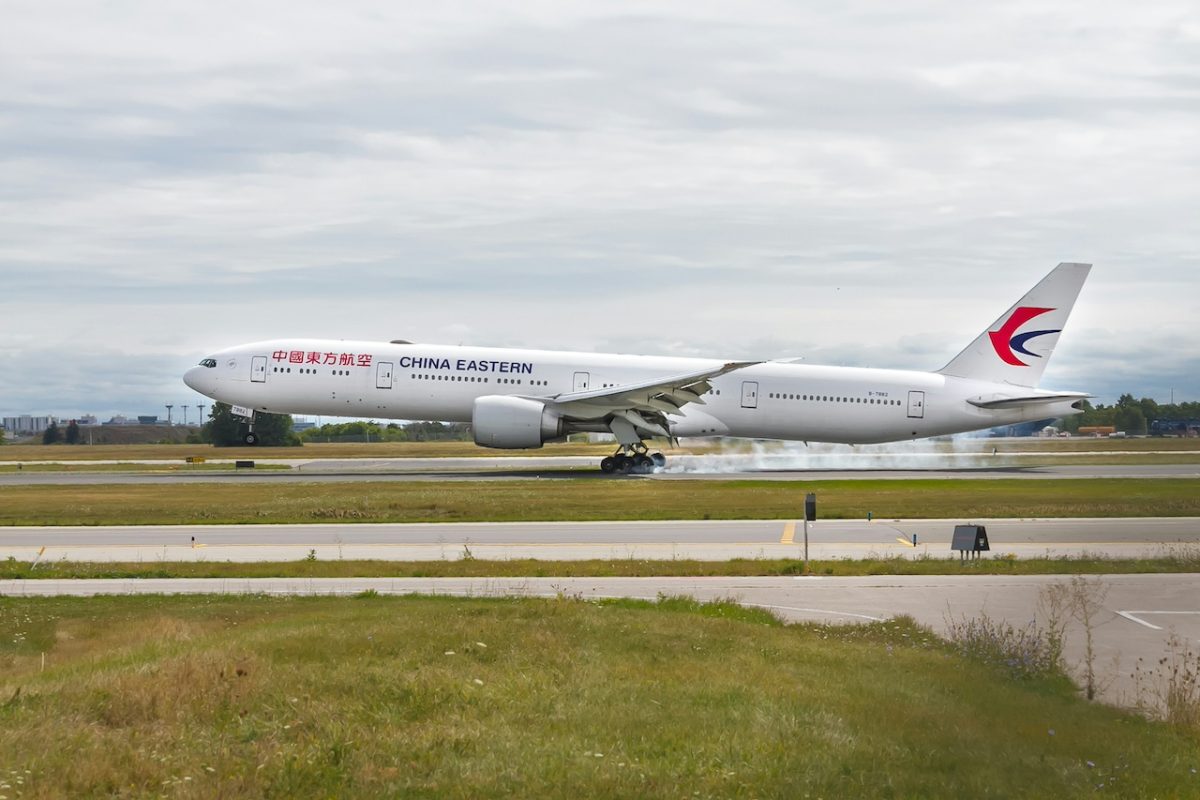
There's a shift in the air across the Taiwan Strait. China's Communist Party has announced plans to restore direct flights between the mainland and Taiwan, reversing suspensions that came during a period of escalating tensions. Routes from cities like Xi'an and Urumqi would reopen, potentially reconnecting millions of travelers who've faced diverted flights and complicated logistics for years.
The proposal arrives alongside plans to lift restrictions on Taiwanese seafood exports, including grouper and tuna that have been blocked since 2021. For farmers and fishing communities in Taiwan, this could mean genuine relief after years of watching their products turned away at mainland ports.
A Political Dance on Both Sides
The timing of these announcements matters. They follow a high-profile meeting between Chinese President Xi Jinping and Cheng Li-wun, head of Taiwan's pro-China opposition party (the KMT), in Beijing. This represented the first time a KMT chairperson has led a delegation to mainland China in over a decade. The signal is clear: Beijing sees opportunity in Taiwan's fractured political landscape.
Taiwan's current Democratic government, however, isn't thrilled. The Mainland Affairs Council issued a carefully worded response, expressing skepticism about what it called "political transactions" conducted without proper governmental negotiation. Taiwan's officials are wary of deals brokered by opposition parties, especially on matters that touch national security and sovereignty.
The Bridge Question That Divides Taiwan
Embedded in these negotiations is a far more contentious proposal: a bridge connecting Taiwan's offshore islands of Matsu and Kinmen directly to mainland China. Matsu, part of a military frontier zone, is known to travelers for its ethereal "blue tears" bioluminescent algae and dramatic coastal cliffs. Kinmen, perched in Xiamen Bay, offers something different, with military tunnels you can tour and local kaoliang liquor that carries its own legend.
Beijing has pursued this bridge idea for years. Younger islanders, particularly entrepreneurs and traders, see potential economic gains from improved tourism, commerce, and goods transport. But the opposition is fierce among those who view a land bridge as an existential threat to Taiwan's autonomy. For many Taiwanese, it symbolizes something far larger than infrastructure: the possibility of being absorbed into mainland control.
What Actually Happens Next
That's the real question. Taiwan's government is split, and when political divisions complicate reopening air routes, implementation timelines can stretch indefinitely. The Mainland Affairs Council acknowledged that trade resumption would benefit farmers seeking new markets, but they're unlikely to endorse a bridge without broader consensus.
For travelers, these developments matter. Restored direct flights would simplify logistics for anyone visiting Taiwan or making connections through the region. Fewer layovers, faster transit times, and more flight options translate to better itineraries and potentially lower fares. If these routes do reopen, it could reshape business travel and leisure trips across East Asia.
But expect a waiting game. Beijing has signaled openness, opposition politicians are negotiating, and the sitting government is dragging its feet. Real change requires political will from Taipei, something that remains anything but certain. The skies may stay complicated for now, even as both sides make moves toward thaw.