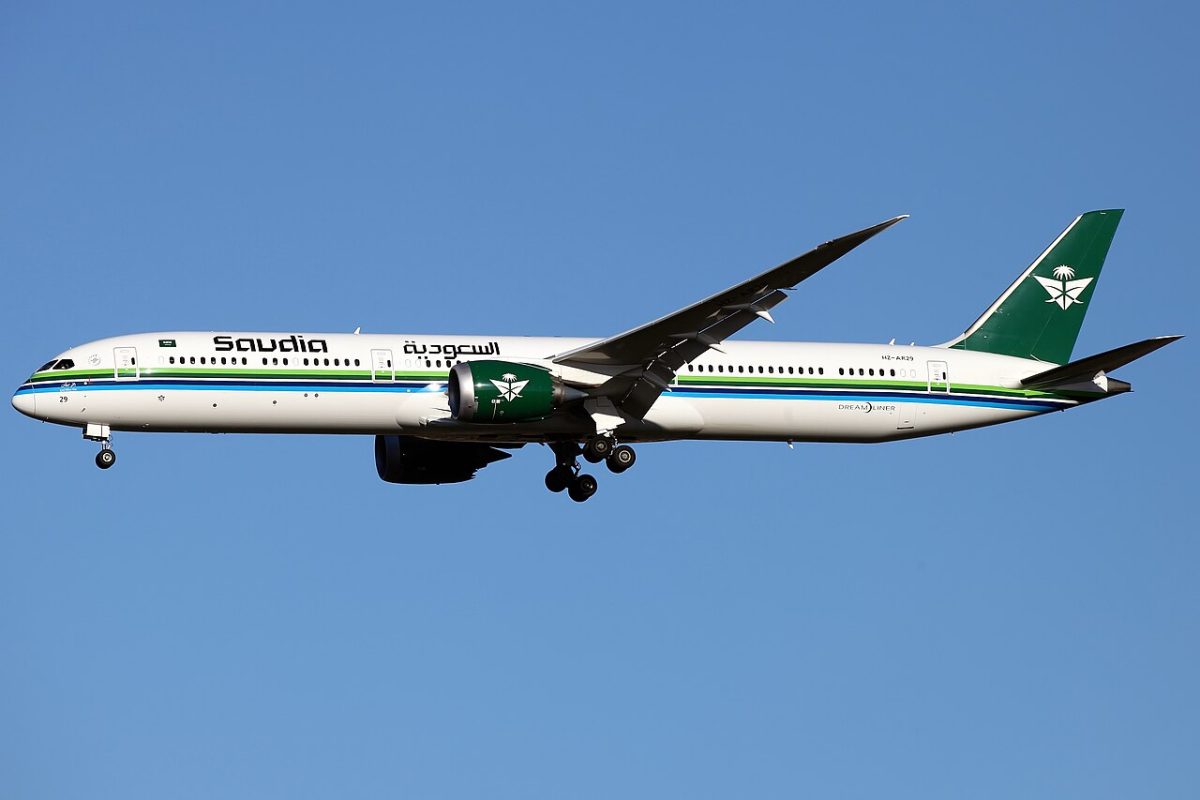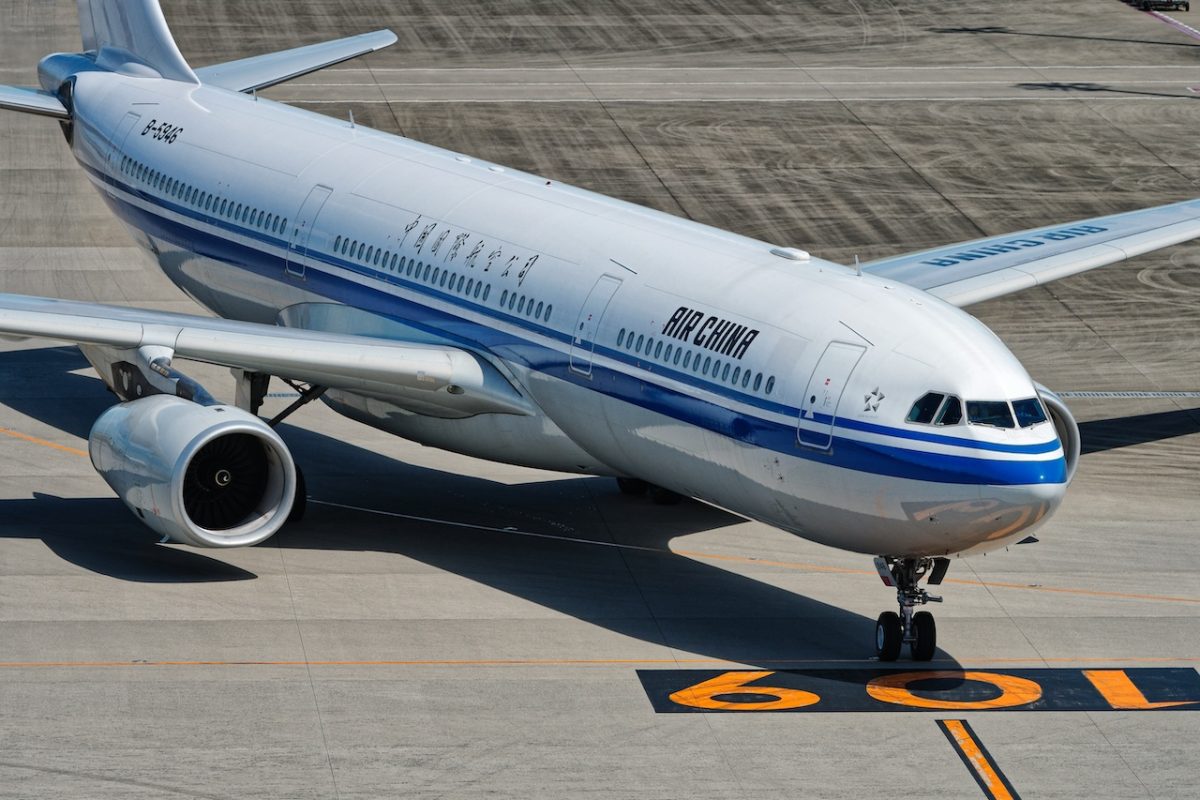
The border between China and North Korea is opening up in ways not seen since before the pandemic shut everything down. Air China just confirmed it will restart direct passenger flights between Beijing and Pyongyang beginning March 30, 2026, ending a six-year operational freeze that began when COVID-19 locked down travel across the region.
This isn't just about airplanes taking off and landing. The move signals something bigger: a diplomatic warming between Beijing and Pyongyang at a moment when great power dynamics on the Korean Peninsula are shifting fast. China Railway already restarted passenger train service between the two capitals just weeks ago, with four weekly departures joining the daily Dandong-to-Pyongyang line that never fully stopped. Now the skies are following.
What the flights look like
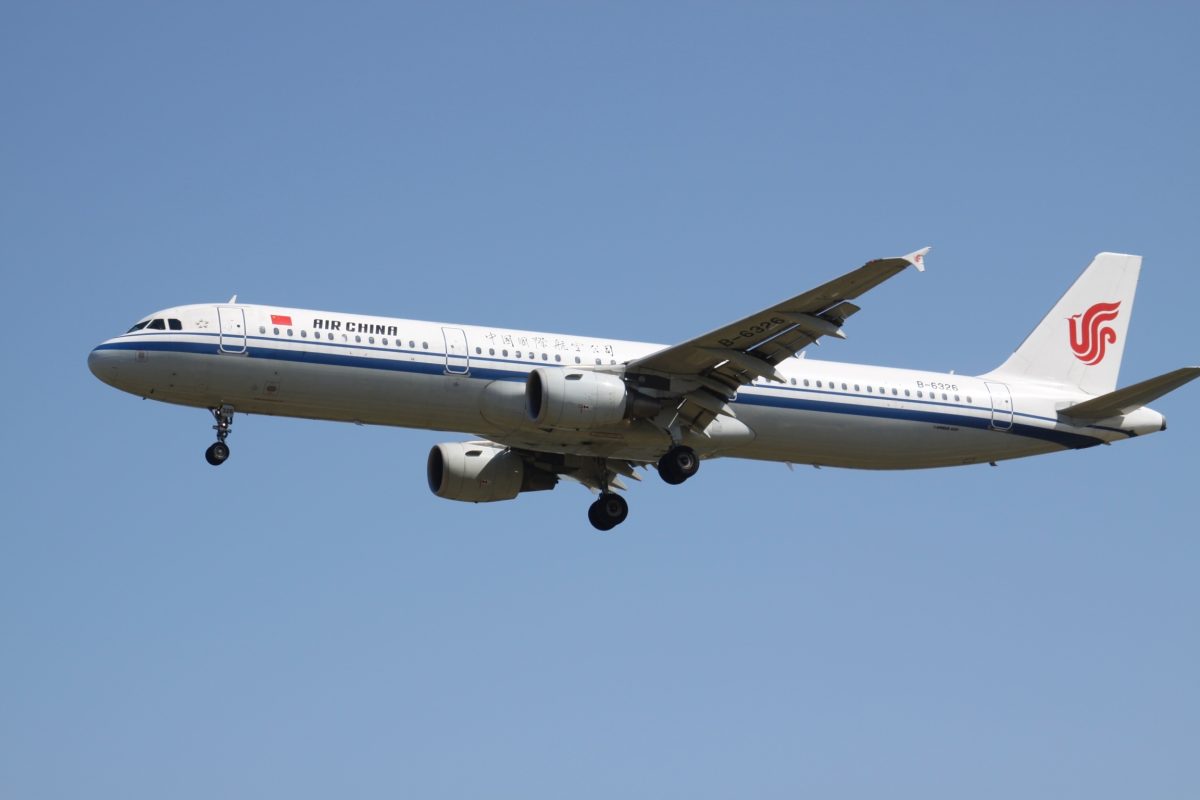
If you're planning ahead, here's the logistics. Monday departures from Beijing leave at 8:05 am and touch down in Pyongyang by 11:00 am local time. The return journey departs Pyongyang at noon and lands back in Beijing at 12:55 pm. One-way economy tickets start around 2,040 Chinese yuan (approximately 258 euros), while round-trip fares begin at 2,690 yuan (roughly 340 euros). The pricing sits well below what you'd typically pay for premium international routes in the region.
Before COVID-19 hit, Chinese travelers dominated North Korea's visitor numbers. Around 200,000 Chinese tourists made the trip annually, accounting for roughly 90 percent of all foreign arrivals. Most flowed through Dandong, the major border trading hub where land crossings still handle commerce between the countries. That flow dried up completely during the pandemic shutdown, forcing North Korea to pivot toward Russian visitors instead, promoting resort tourism to Moscow-based travelers during years when Chinese access remained closed.
Why now? Understanding the geopolitical timing
The reopening arrives at a crucial moment. North Korea needs foreign currency, and China needs to shore up its influence over Pyongyang while Washington shifts its Korean Peninsula strategy. Donald Trump's stated interest in building relations with North Korea has spooked Beijing into action. China doesn't want to be sidelined in negotiations over a neighbor it considers vital to regional stability. As Cheong Seong-chang, vice president at South Korea's Sejong Institute, put it: resuming direct air and rail routes suggests China is working to restore its sway over North Korea precisely when the diplomatic ground beneath the entire peninsula is moving.
China's Foreign Ministry made clear this has official backing. In a March 10 briefing, officials described the moment as having "important significance" and said Beijing supports both governments in "strengthening communication and creating more convenient conditions for people-to-people exchanges." Translation: this isn't happening by accident. It's state policy.
What this means for travelers
Travel to North Korea has always operated under tight restrictions. There are no independent tours. You cannot simply book a flight, rent a car, and explore. Every visit is guided, monitored, and orchestrated by state handlers. The pandemic tightened those controls even further. Even with flights resuming, those restrictions remain in place. This isn't suddenly opening North Korea as a destination where backpackers roam freely.
Still, for researchers, diplomats, business people, and journalists with legitimate reasons to visit, the new route offers faster access than overland crossings. A three-hour journey replaces the multi-day train option or arduous border crossings through Dandong. Tour operators are already factoring the March 2026 schedule into their offerings to clients who qualify for North Korean visas under the government's tightly defined criteria.
The bigger picture is one of East Asian geopolitics playing out through logistics. Flights, trains, and open borders are diplomatic tools. When major powers restore transportation links, they're signaling trust, economic intent, and renewed cooperation. After years of shutdown, that signal from Beijing toward Pyongyang is unmistakable.