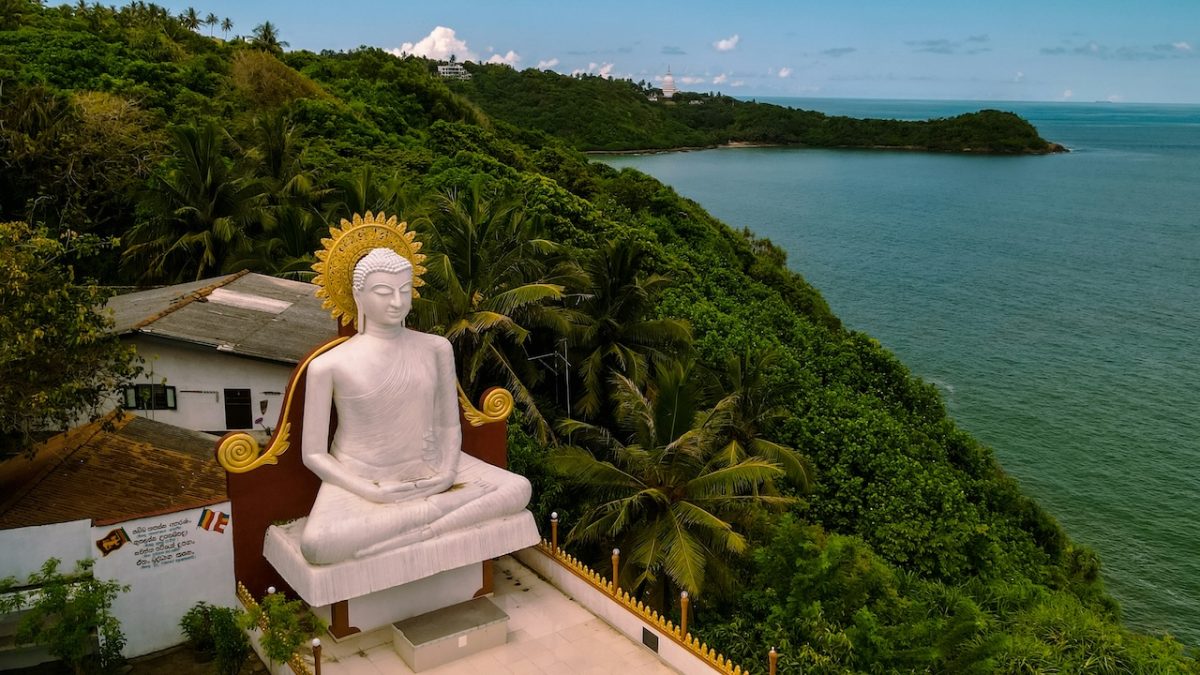
The Middle East conflict has turned Sri Lanka's tourism playbook upside down. Visitor arrivals plummeted from 229,298 travelers in the first half of March to just 109,410 the same period the following year. That is a 52% nosedive in real travelers stepping off planes and heading to beaches, temples, and tea plantations.
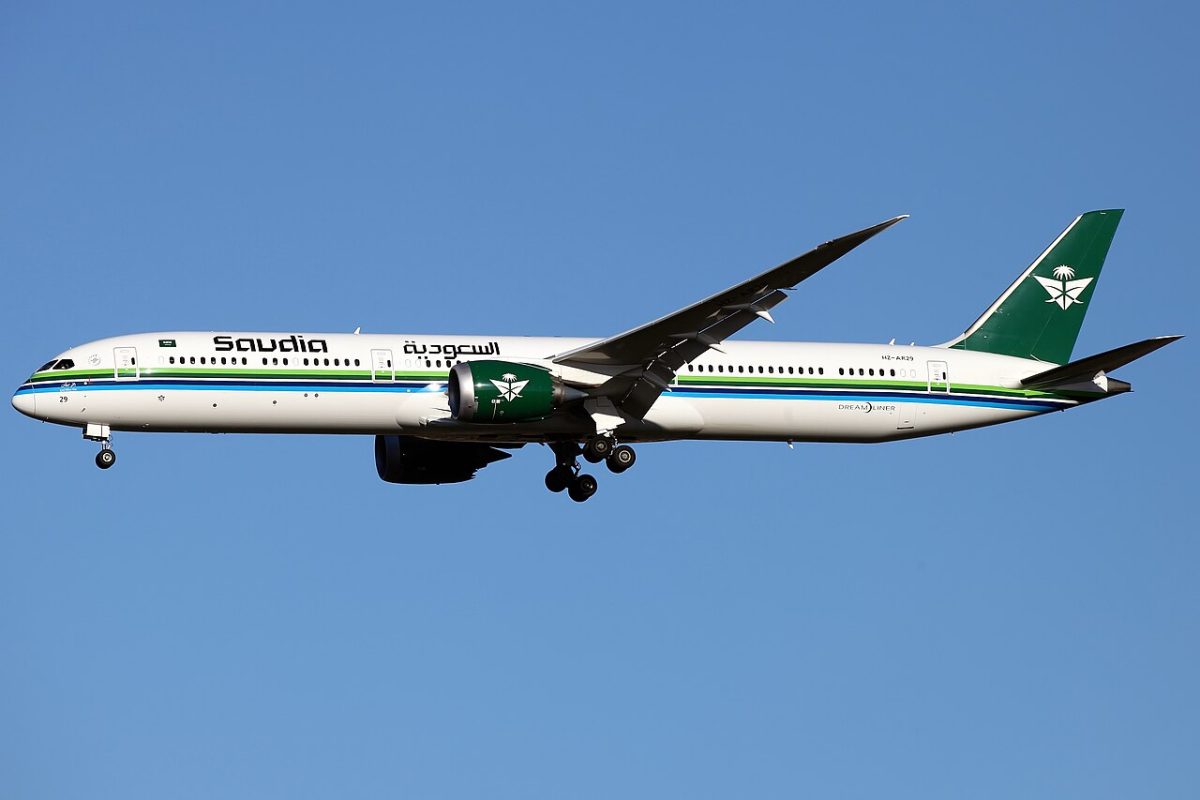
The problem is geography. Abu Dhabi, Doha, and Dubai are the arteries that pump European and Asian tourists into the Indian Ocean. When airspace closes and the Strait of Hormuz becomes a no-fly zone, those arteries get pinched. The World Travel and Tourism Council calculated this mess was costing the global industry 600 million euros per day. For a nation where tourism drives critical economic activity, the hemorrhage could be devastating.
Sri Lanka's response has been bold, even unconventional. The government declared every Wednesday a public holiday effective March 18, shutting down government offices, schools, and universities. On the surface, it sounds absurd. Dig deeper and the logic becomes clearer: fewer people moving around means less fuel consumed. Every liter saved is fuel available for critical sectors like tourism, agriculture, and medicine.
But that Wednesday holiday is just one piece of a larger puzzle. The government resurrected its QR code fuel rationing system, the same emergency measure deployed during the country's devastating financial crisis in 2022. This time, certain industries get prioritized access. Tourism operators can apply through the Sri Lanka Tourism Development Authority website for special fuel allocations, ensuring that tuk-tuk drivers, tour coaches, and hotel shuttles keep moving. Weekly allocations now include 100 liters for buses, 25 liters for cars, and 50 liters for vans.
Deputy Minister of Tourism Ruwan Ranasinghe downplayed some of the impact, noting that direct flights from Europe are still arriving and that tourist numbers from Middle Eastern visitors represent only a 25-30% decline. It is a partial truth wrapped in optimism. Yes, alternative routing exists. But a 52% overall drop is nothing to spin as manageable.
The real question is whether these emergency measures can hold the line. Airlines continue to adjust routes and capacity in response to the instability, and some carriers like British Airways are expanding alternative networks to capture demand for "getaway" destinations outside the crisis zone. That shift could actually work in Sri Lanka's favor if more travelers decide the island offers the adventure and relaxation they want without the regional complications.
The government has also established a 24/7 tourism hotline offering real-time support to travelers navigating the chaos. The measure signals that despite all the disruption, Sri Lanka wants visitors to know it remains open for business and willing to help them navigate the complications of getting there.
What happens next depends on whether the Middle East situation stabilizes and whether those alternative airline routes stick around. For now, Sri Lanka is improvising. It is cutting work weeks to ration fuel, protecting the tourism sector as a lifeline, and hoping that travelers still see the island as worth the complicated journey to reach it.