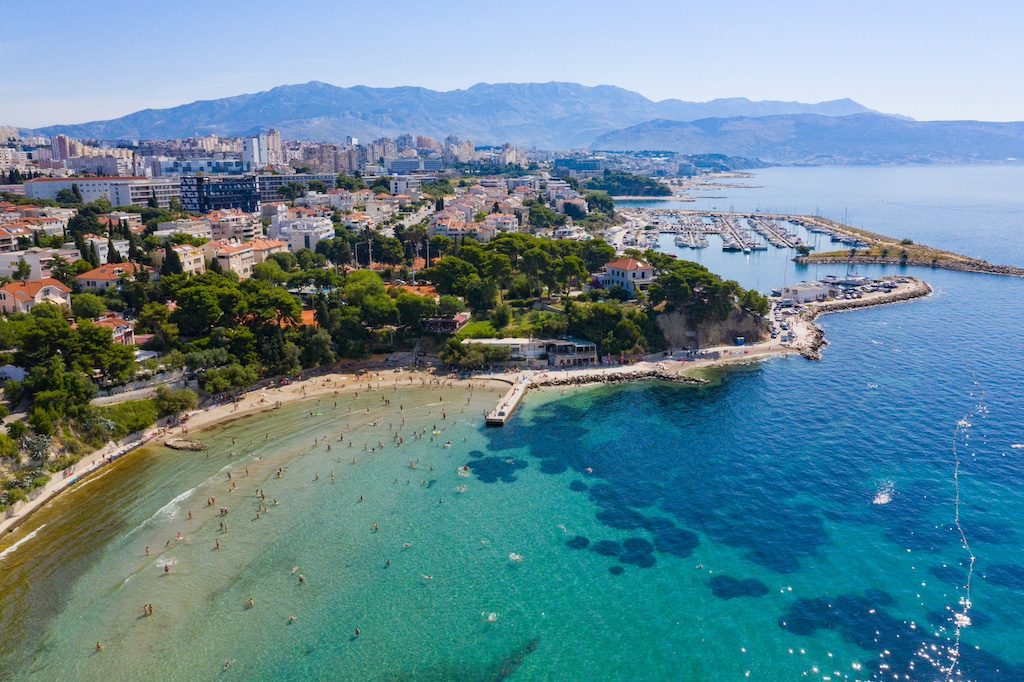
Split's Adriatic charm has always been its main draw. The Roman palace ruins, the sun-soaked beaches, the narrow medieval streets packed with cafes and history. But in recent years, this Dalmatian jewel has developed a reputation for something else entirely: wild nightlife that has locals losing sleep and patience.
Now city officials are fighting back. Mayor Tomislav Šuta and his team have proposed a significant shift in how alcohol is sold after dark. Starting in the summer of 2026, liquor shops and grocery stores in certain neighborhoods would be banned from selling alcohol between 8 p.m. and 6 a.m. Bars, clubs, and licensed restaurants would remain unaffected, but the off-premise sales restrictions aim to reduce street drinking and the chaos that often comes with it.
The logic is straightforward. Beer, wine, and spirits purchased at a supermarket late at night tend to end up being consumed in public spaces, where tourists gather in large groups with little regard for noise or decency. Residents in vibrant nightlife zones have reported constant disruption, ranging from loud revelers at 3 a.m. to public urination and worse. For people trying to sleep or simply enjoy their own city, the experience has become unbearable.
Why Split Is Taking This Step
Tourism has transformed Split into an economic powerhouse, but success comes with friction. The city has become a magnet for stag parties, student groups, and young travelers seeking affordable Mediterranean nightlife. The beach clubs and rooftop bars bring money and jobs, yet they also bring crowds that don't always respect local rhythms or boundaries.
Šuta framed the proposal carefully. "We are moving towards limiting nighttime work in accordance with the new law, with the aim of introducing order," he told Croatian media. The city plans to hold public consultations before implementing any changes, making clear this isn't a top-down mandate but a conversation with residents about coexistence.
The ban would apply primarily to neighborhoods with high concentrations of bars and clubs. It's a surgical approach rather than a blanket prohibition across the entire city. Licensed venues would continue operating normally because they already face existing regulations around noise and closing times. The real issue, officials believe, is convenience stores and small shops selling cheap bottles to crowds looking for a quick supply of drinks to consume outdoors.
Split's Existing Tools Against Disorder
This isn't Split's first attempt at managing tourist behavior. Croatia has already implemented steep fines for public misconduct. Drinking alcohol or using drugs in public spaces, urinating, or vomiting can result in on-the-spot fines of up to 700 euros. Fights, verbal abuse, and other public order disturbances carry penalties that can reach 4,000 euros. These measures have helped, but clearly haven't solved the problem entirely.
Split joins a growing list of European destinations grappling with similar issues. Porto, Portugal has a comparable alcohol sales ban in its city center. There, supermarkets, wine shops, and convenience stores cannot sell alcohol between 9 p.m. and 8 a.m. within designated zones. The Portuguese city faced the exact same challenge: too many tourists buying cheap drinks and causing disruption in residential areas at night.
What This Means for Travelers
If you're planning a trip to Split, the reality is this won't change your vacation significantly. Bars and nightclubs will operate as they always have. You'll still find plenty of places to drink, dance, and enjoy Split's famous nightlife. The restriction simply means you won't be able to buy a bottle of wine or beer from a corner shop at 10 p.m. in certain parts of town and take it to the waterfront or a public square.
What it does signal is a city reasserting control over its own destiny. Split loves tourists, but it loves itself more. That's the message here. The city is saying: you're welcome to visit, to enjoy our heritage and our nightlife, but you're not welcome to treat our neighborhoods like an extension of a club. Residents come first.
The proposal won't become law until 2026 at the earliest, and only after community input. Whether it works remains to be seen. But it reflects a broader conversation happening across Europe about how to host travelers responsibly, and how cities can protect their own quality of life while remaining open to the world.